A developing theory on UN Secretary General Dag Hammarskjöld plane downed in 1961 based on re-examination of evidence in light of understanding hallmarks of exotic weaponry.
‘The hardest thing of all — to die rightly — an exam nobody is spared — and how many pass it?’ – Dag Hammarskjöld, 1952, from Markings
Confounding Details and Evidence
Supposed witnesses supposedly reported seeing another aircraft and “flashes of light” immediately prior to the downing.
Also, much geopolitical goings-on surrounding this ‘against the (now) known grain’ UN boss. Dag apparently did not get (or ignored) the Zionic memo about claiming peace yet making war. (adapted from a video comment). Patrice Lumumba / Congo, CIA takedown connections. Intrigue. Jesuits. Geopoli.
Several persons had been shot, evidenced by supposedly bullet-ridden corpses. “342 bullets found in victims or nearby.” 28:00 into https://www.youtube.com/watch?v=btlbKUvaT24 “None of the bullets have any signs of rifling [distortions, markings caused during being fired from gun].” 28:30 in — Bullets somehow exploded in the conflagration and shot into the bodies.
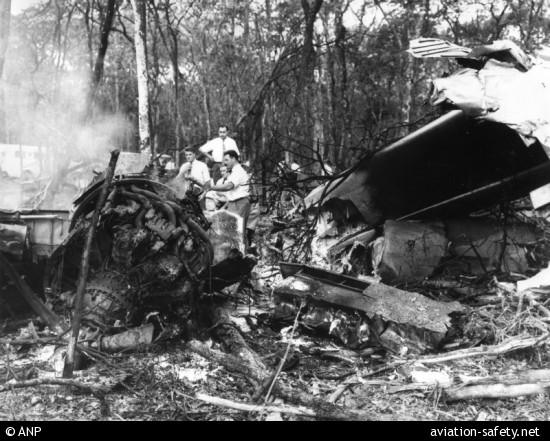
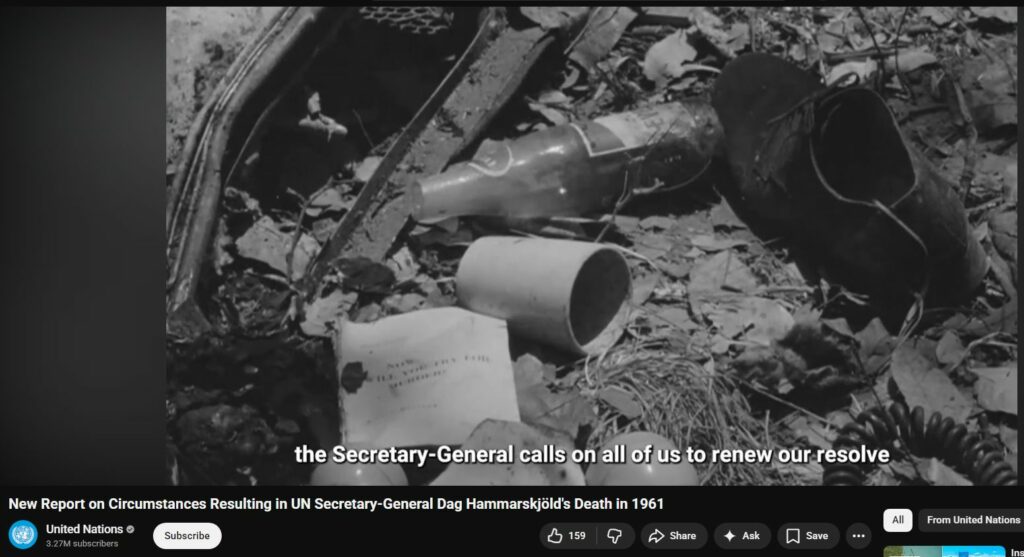
Dag body reportedly unburned whilst others “so badly charred.” 1:55 into https://www.youtube.com/watch?v=CDurPXP1cr4 (image below).
DEW of course melts copper and lead bullet slugs. DEW also can create the extreme external heat required to ignite gunpowder inside bullet casings.
Meanwhile, no definitive clues to shoot-down (via traditional means) not bomb-aboard, etc. Final blame on “pilot error”. “The pilots simply lost track of the altitude and flew their plane into the ground. No sabotage, no missiles, no murder.” 44:15 into https://www.youtube.com/watch?v=btlbKUvaT24 LOL
Missing cockpit voice recordings.
Direct (admitted) involvement of NSA, etc.
Inexcusable delays in investigation (15 hour initial delay).
Ongoing conspiracy mystery.
DEW Hallmarks
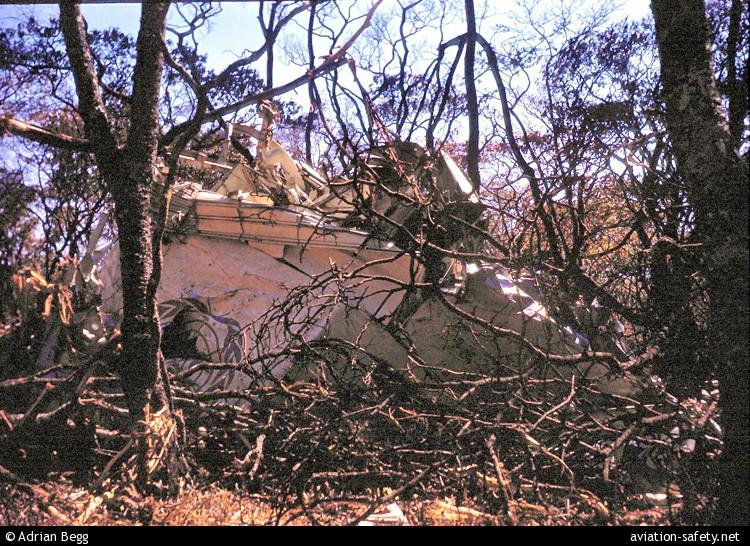
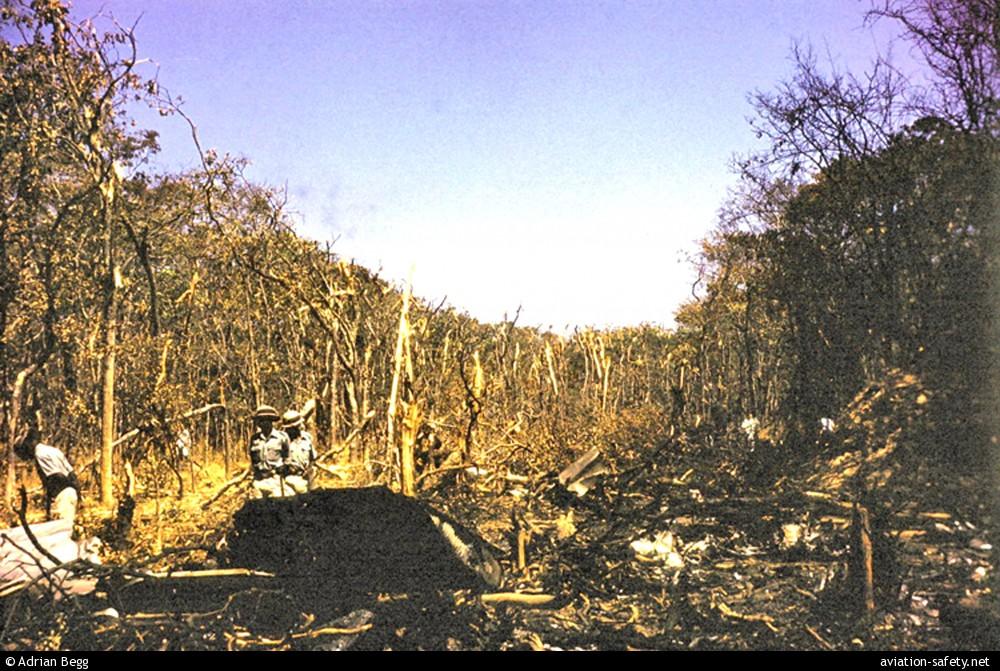
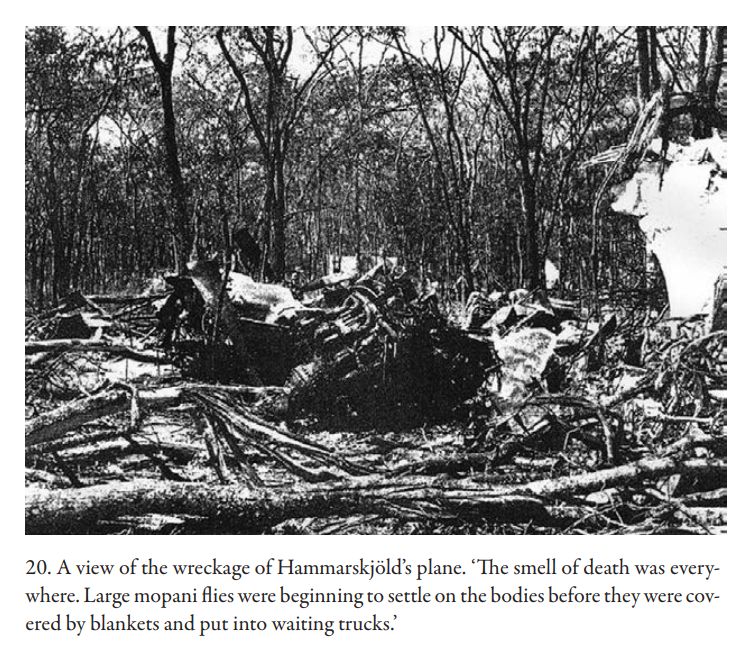
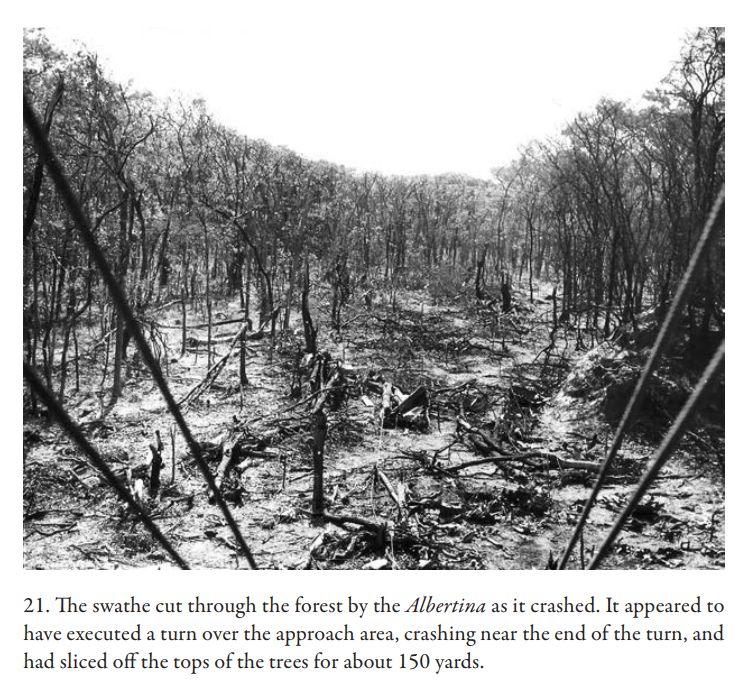
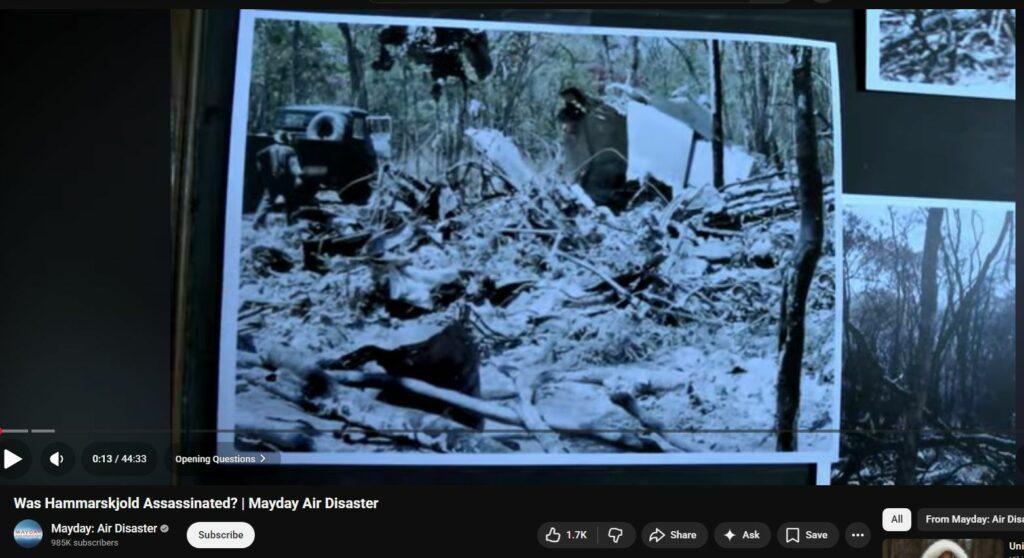
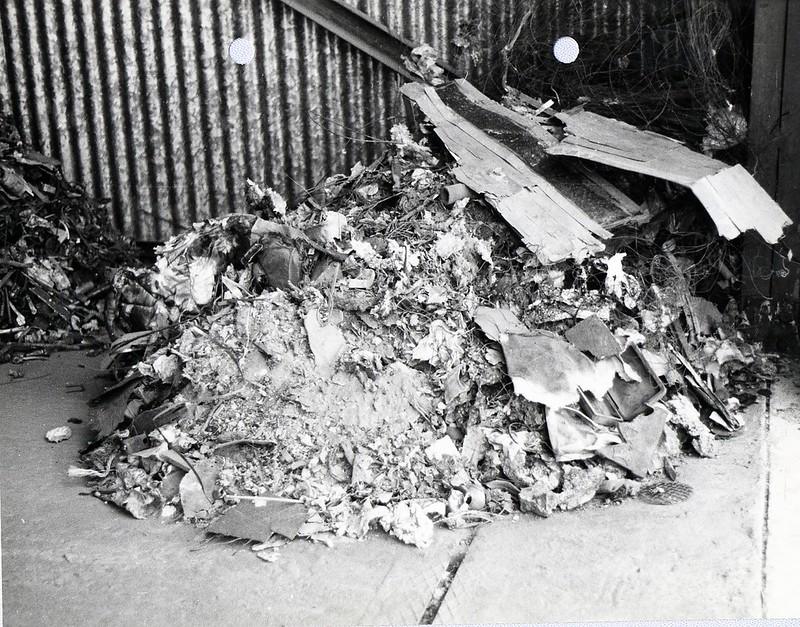
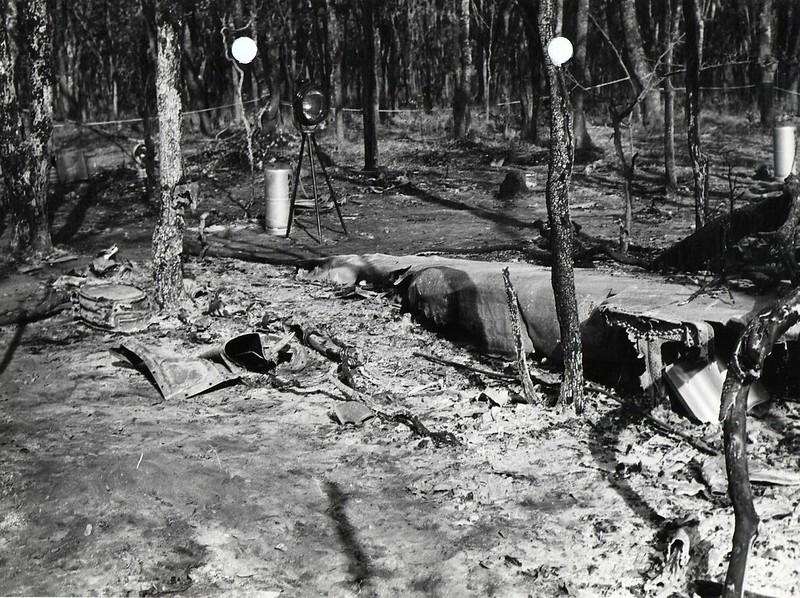
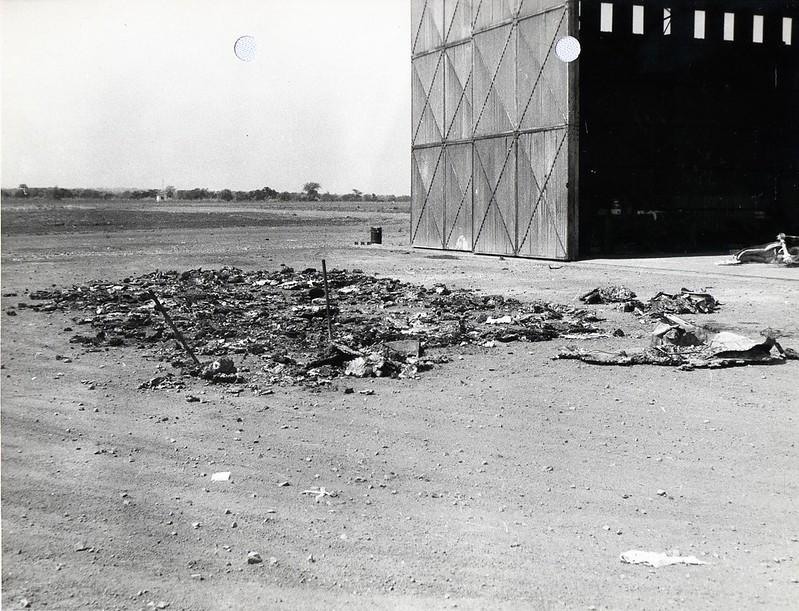
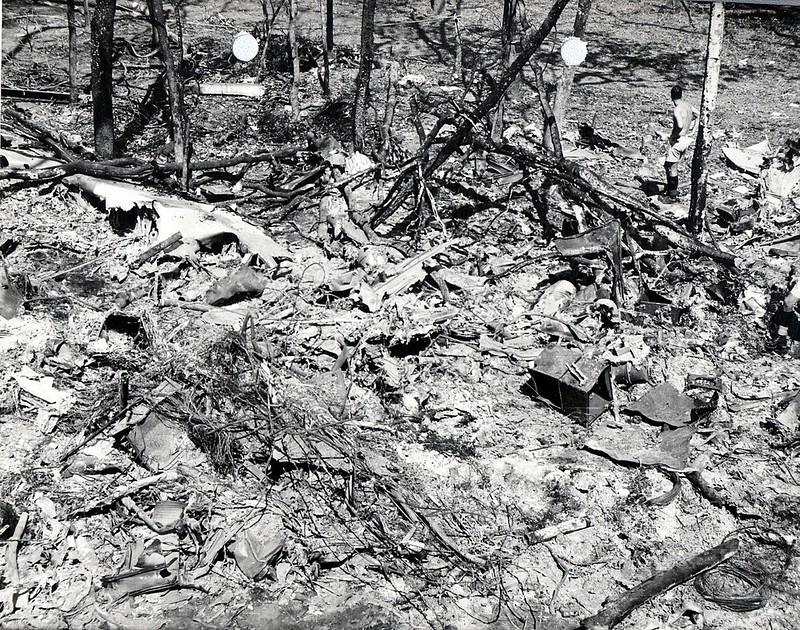
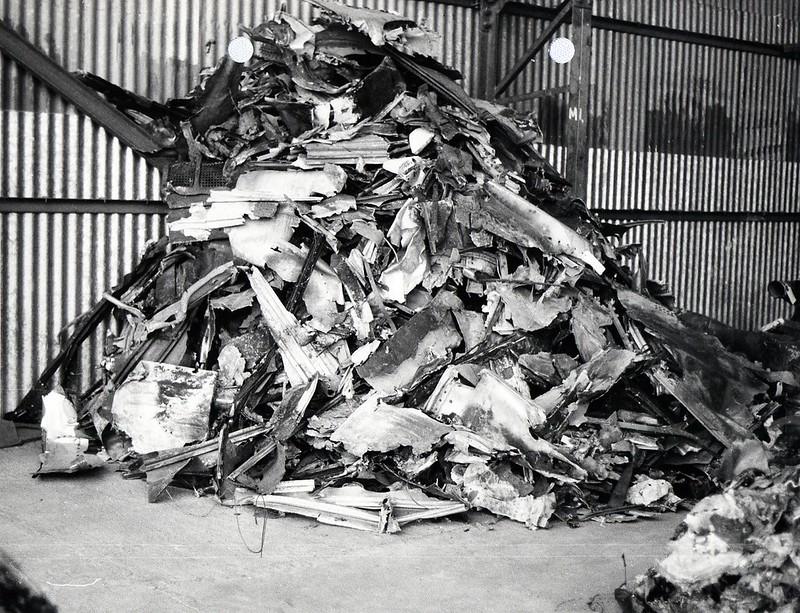
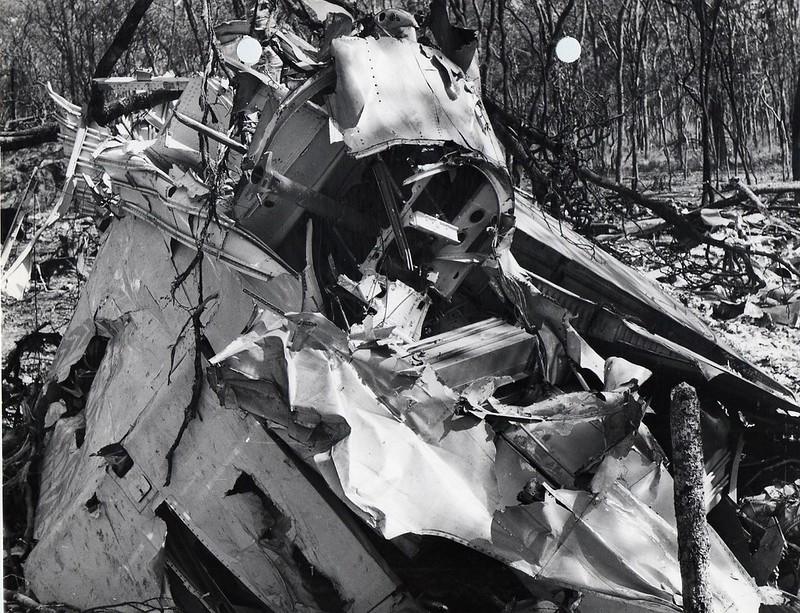
Inexplicably furious conflagration that cremated substantial amounts of metal: “80% of the fuselage is completely melted.” 14:00 into https://www.youtube.com/watch?v=btlbKUvaT24
Melted glass.
Molten, warped metal.
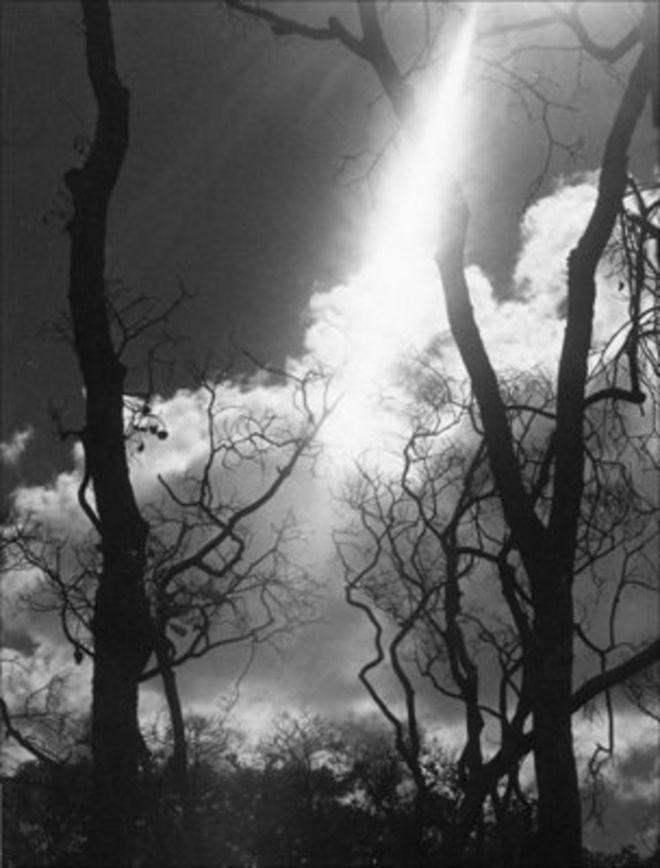
Whitish/grey mist / off-gassing.
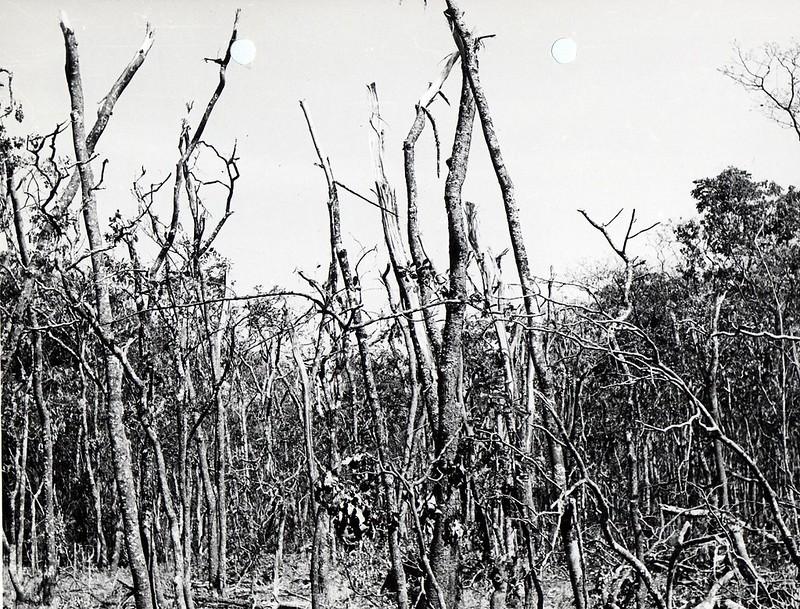
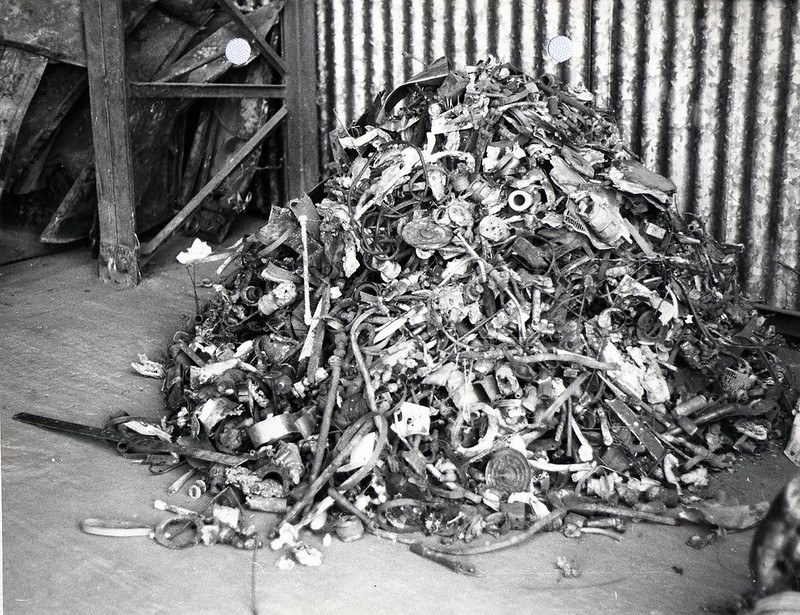
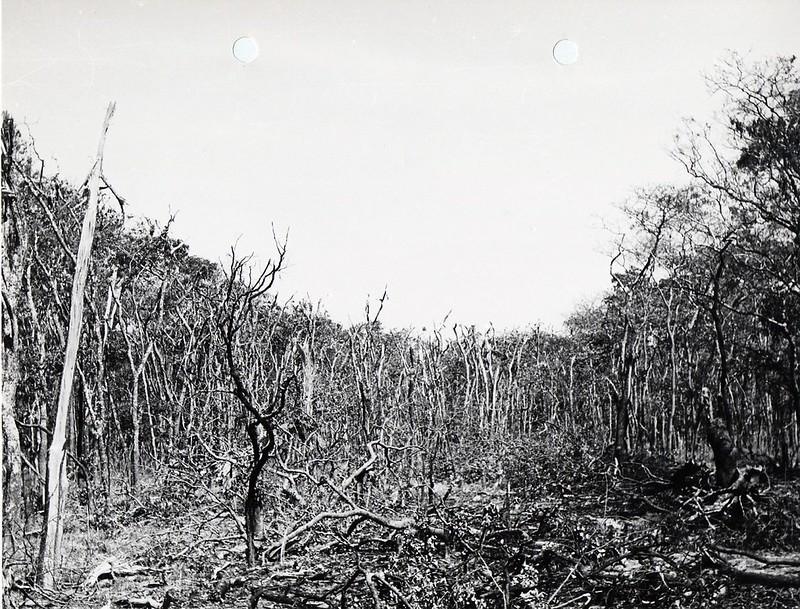
Insta-rusted metal. (See final image)
Similarities to unique/peculiar evidence in other suspected DEW Attacks.
https://www.youtube.com/watch?v=btlbKUvaT24
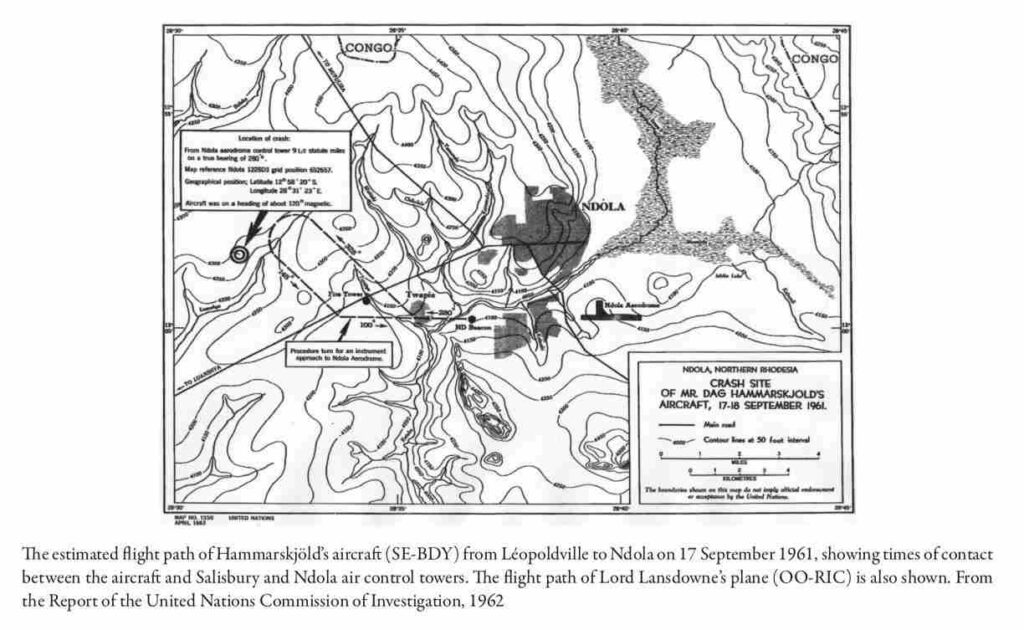
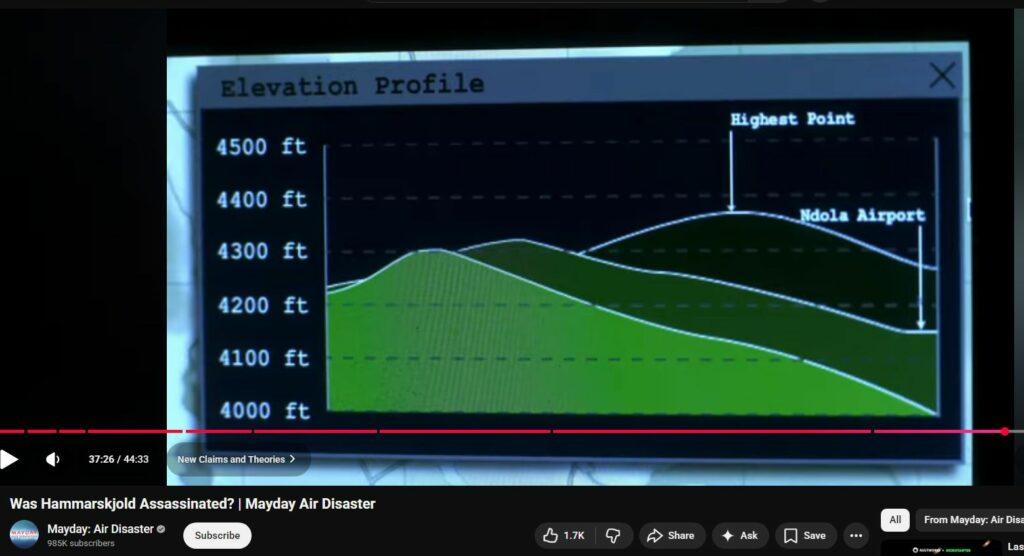
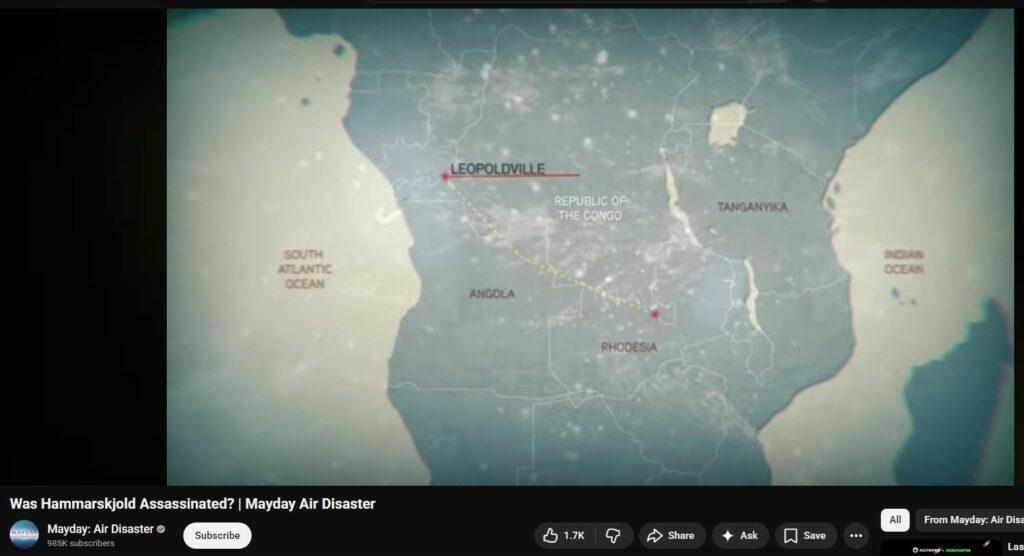
Gematria – Crash site 9 miles from runway.
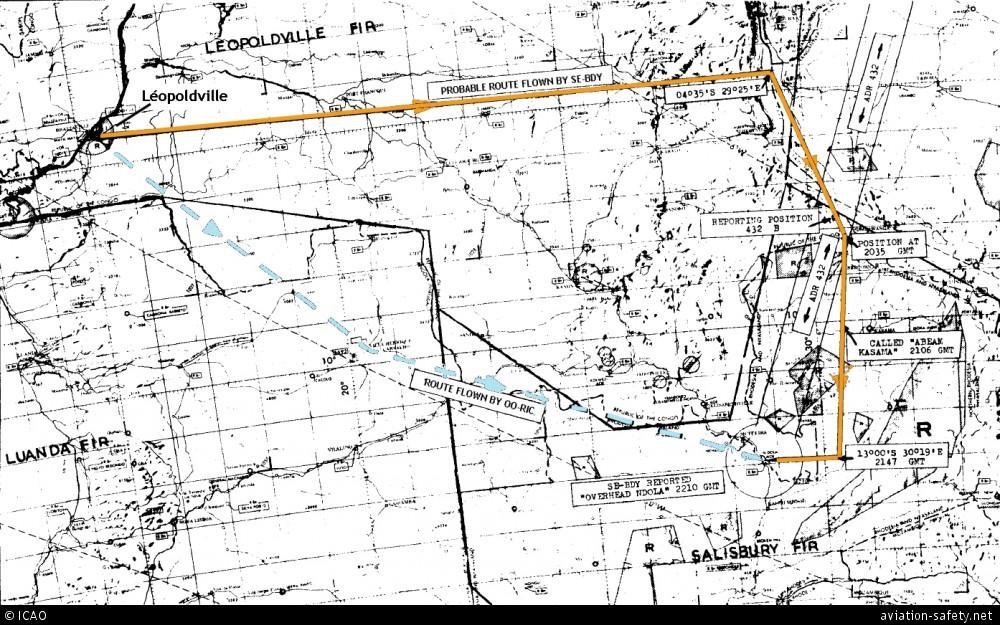
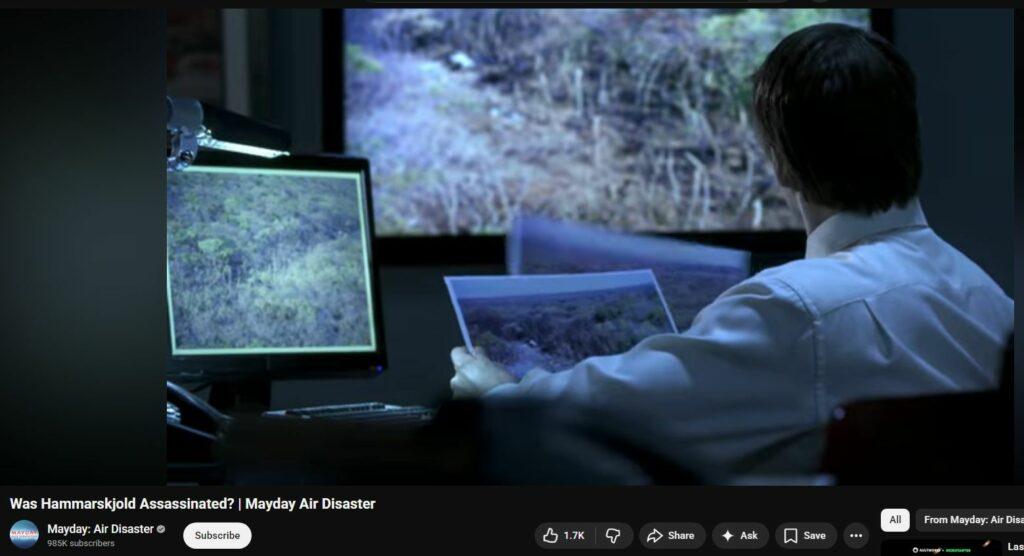
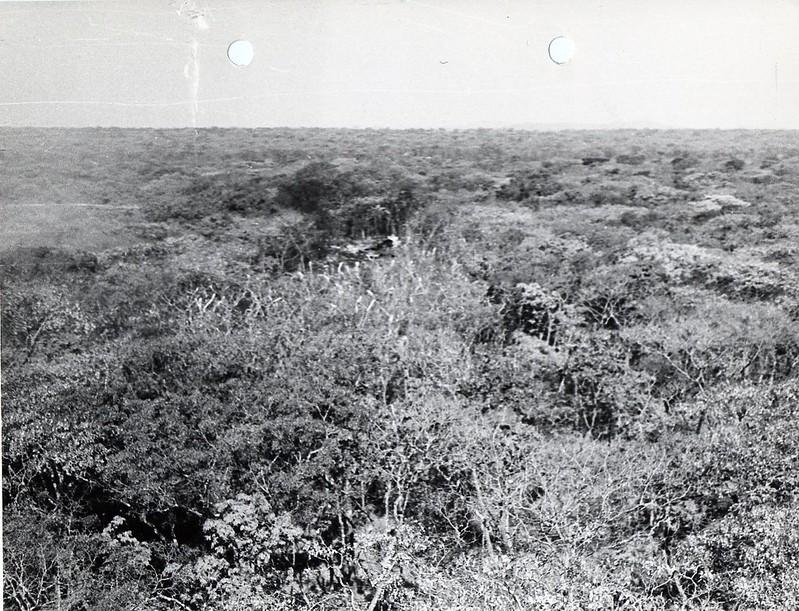
Takedown near destination runway. Similar to many other DEW Attacks.
“It blew up; there were lots of little explosions all around.” – Harold Julien (American), UN Security officer aboard the flight. 10:45 into https://www.youtube.com/watch?v=CDurPXP1cr4 (Dr Mark Lowenthal, Julien’s physician revealed that Julien mentioned “three explosions before the crash”. 12:45 in)
NSA Officer Charles Southall disclosed that a Cyprus listening post captured audio of a pilot boasting, “I’ve hit it! There are flames!” 13:00 into https://www.youtube.com/watch?v=CDurPXP1cr4
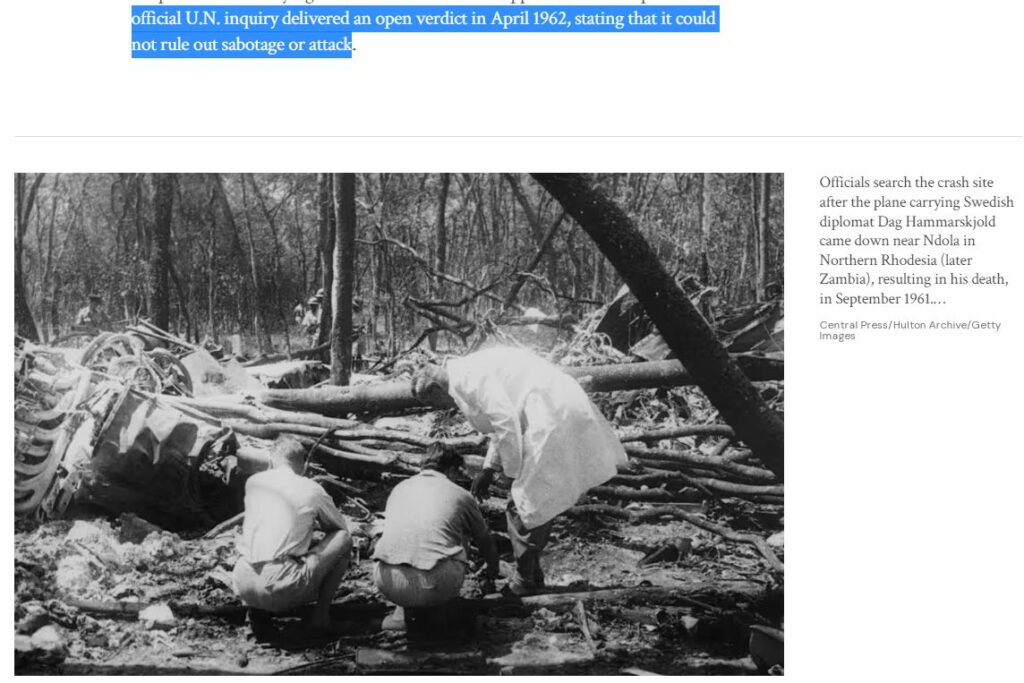
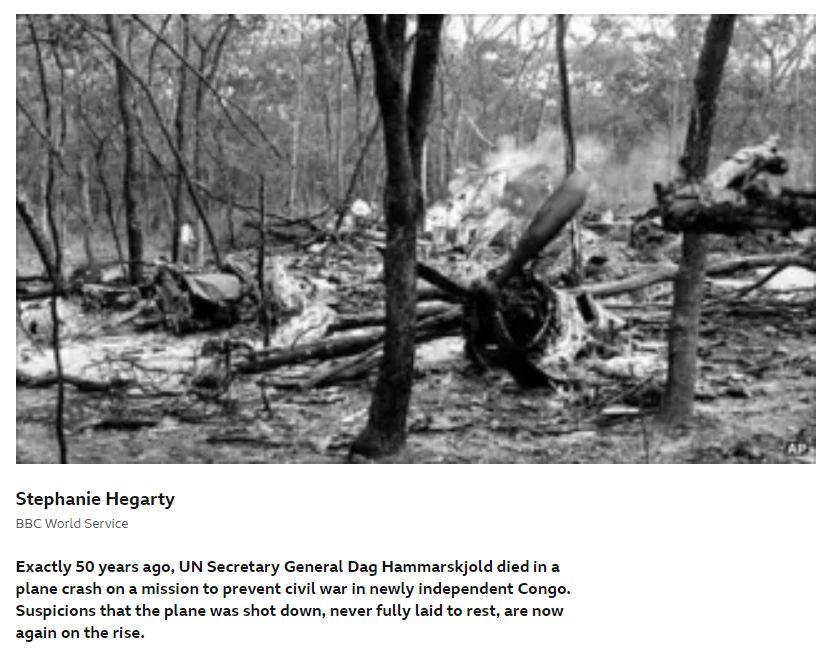

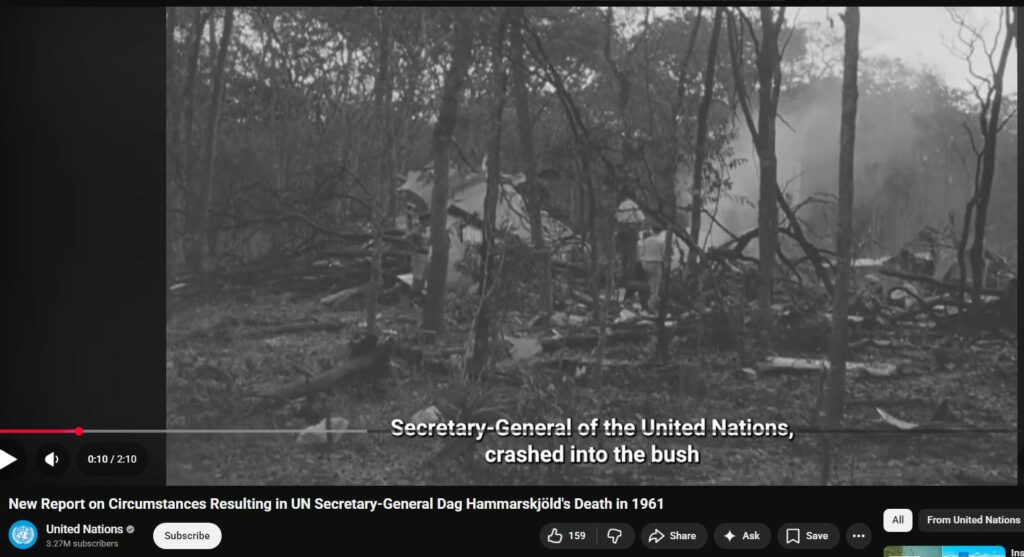
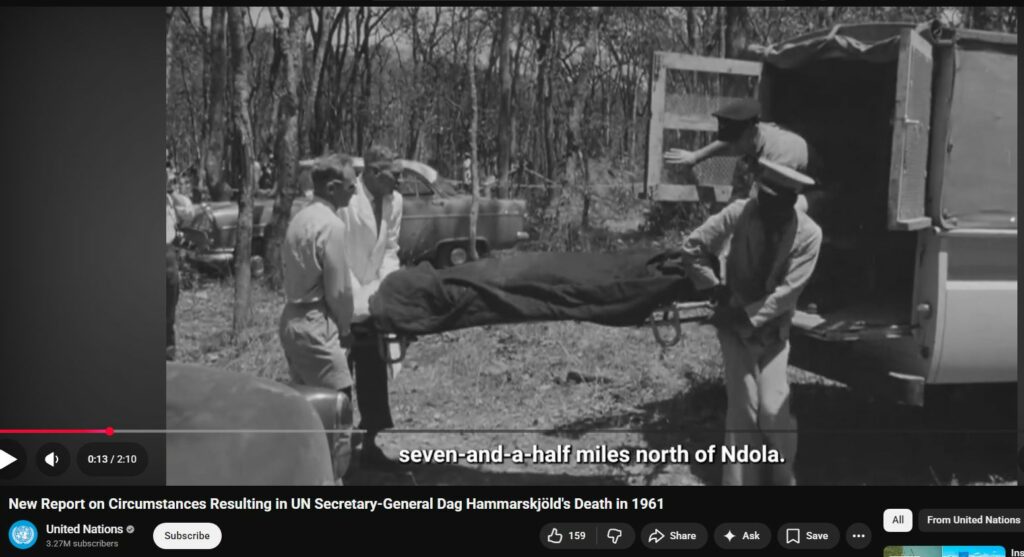
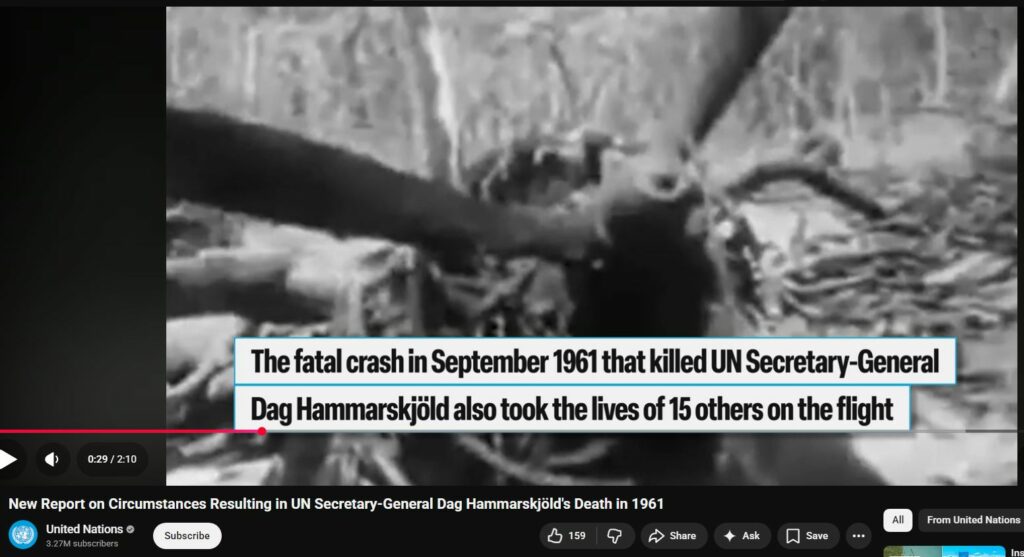
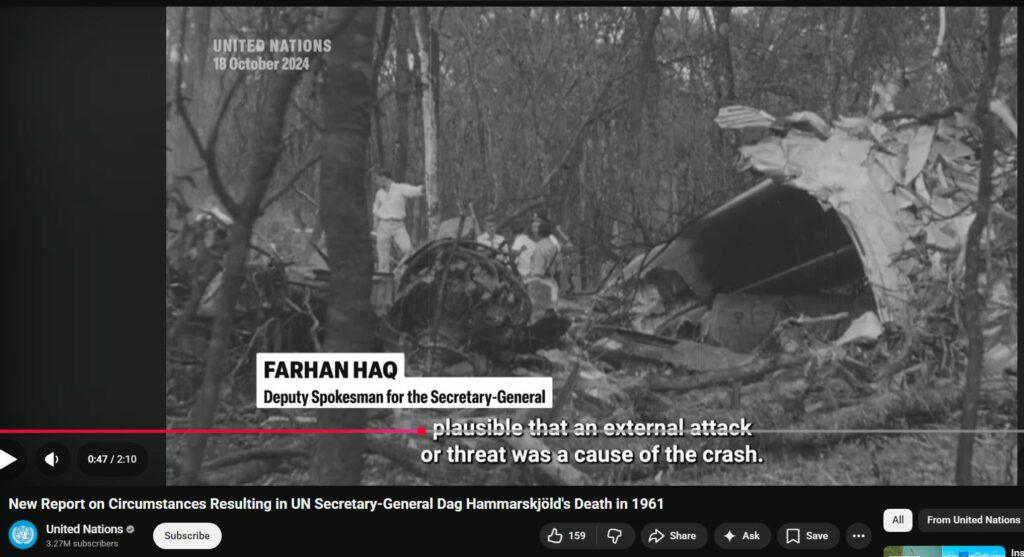

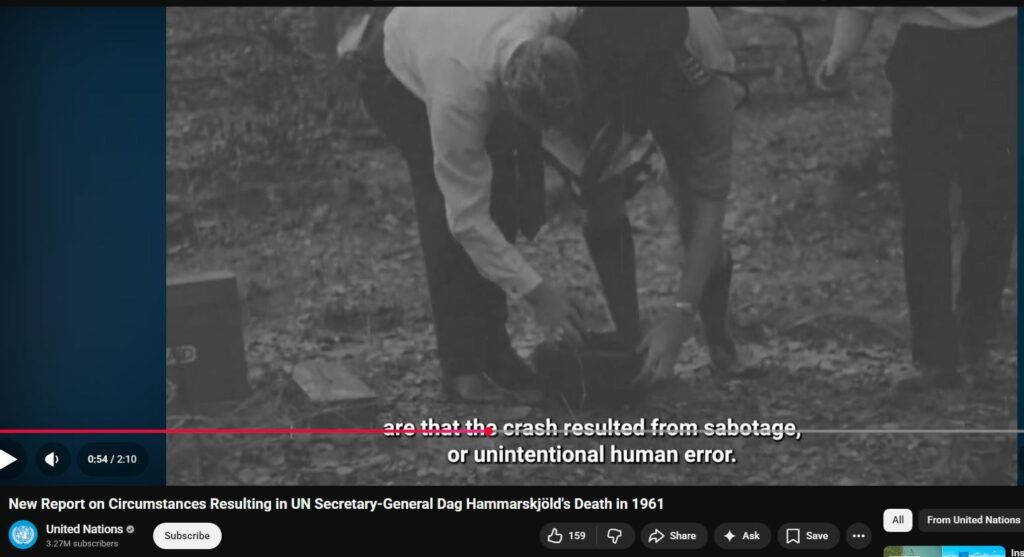
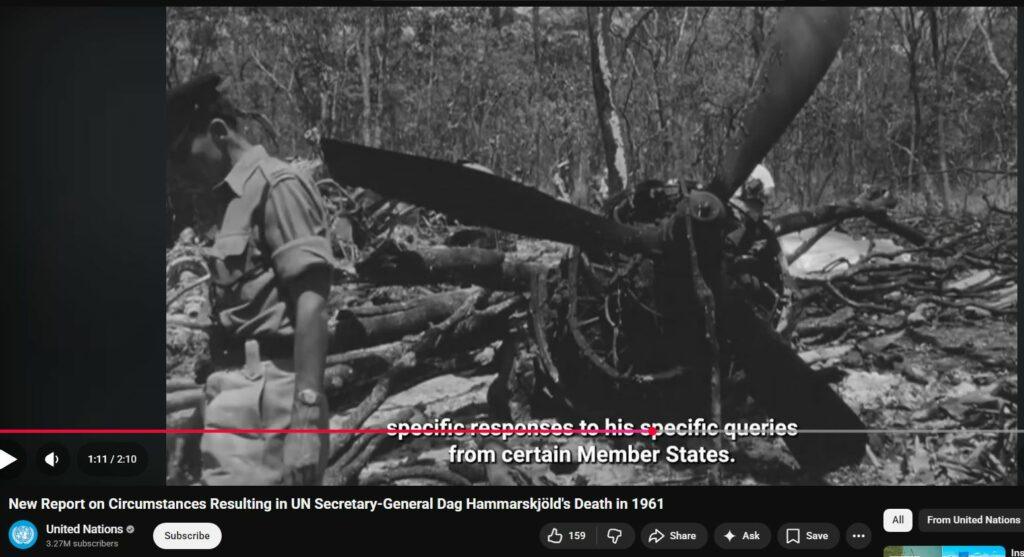
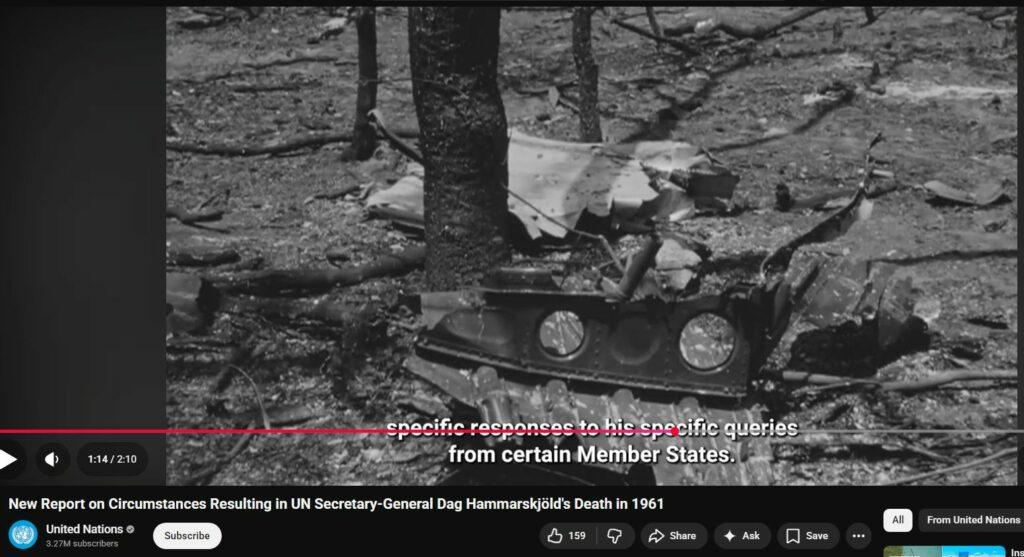
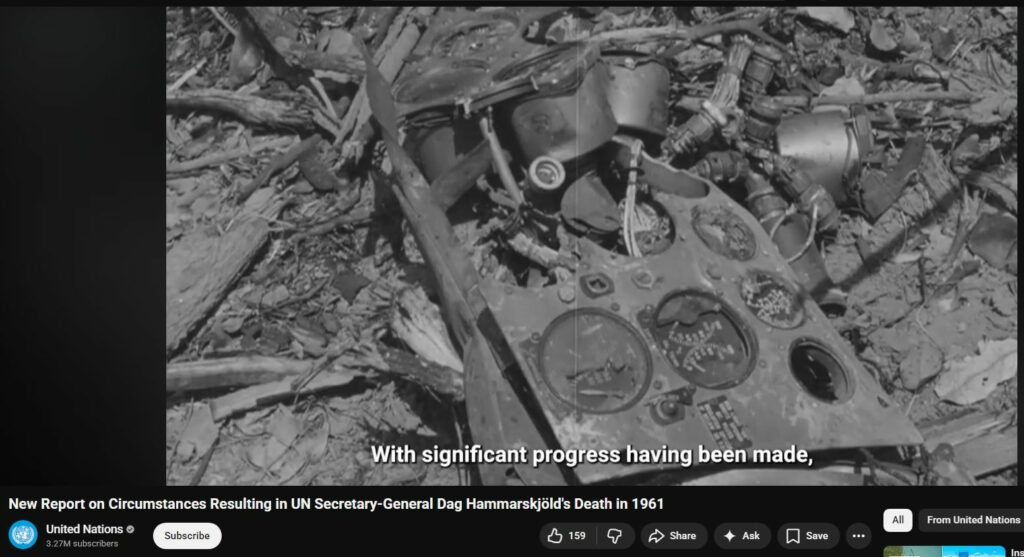


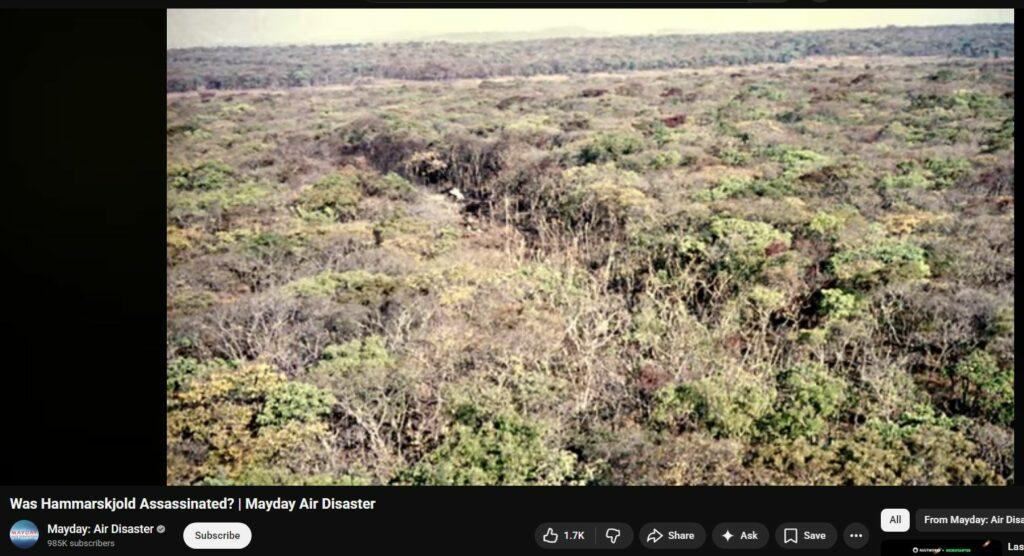
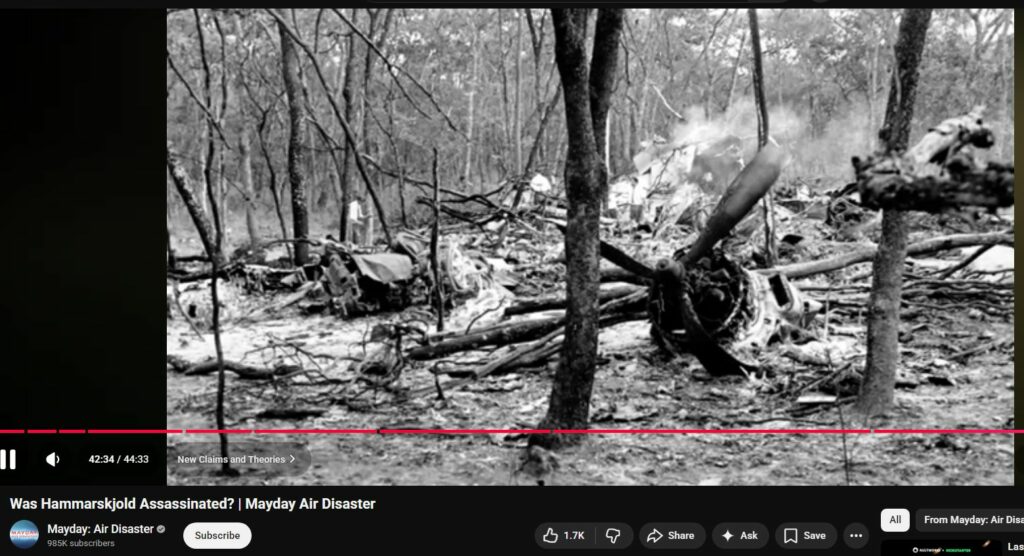
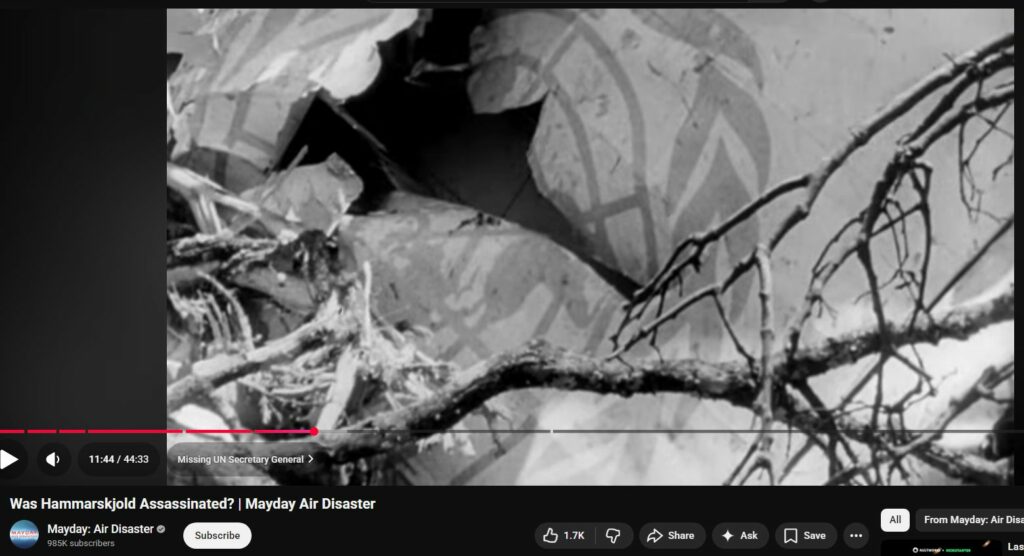
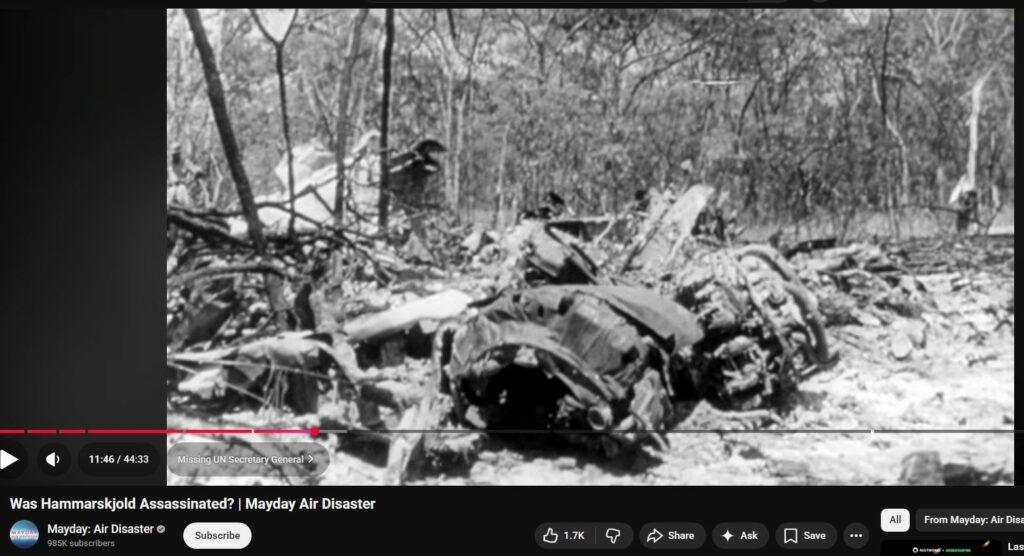
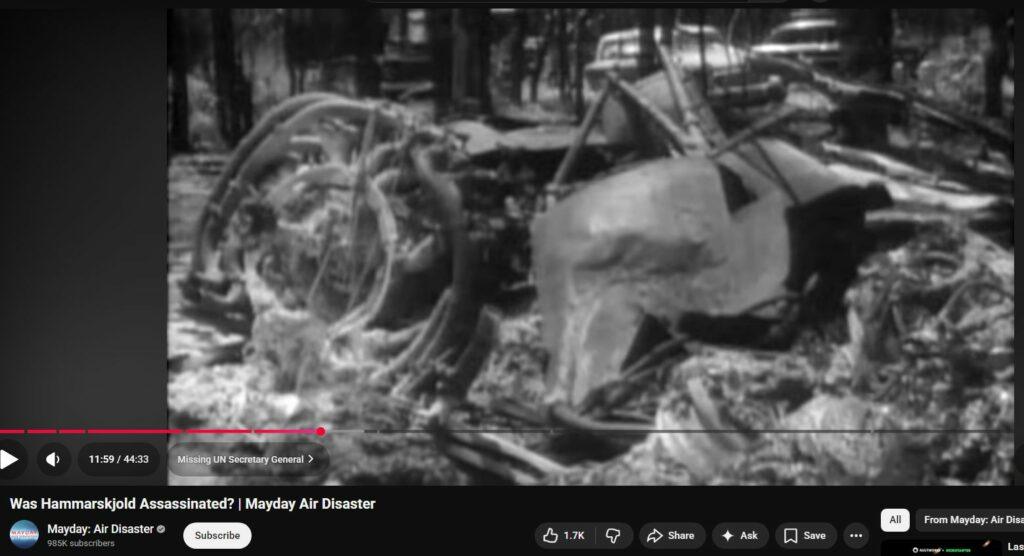
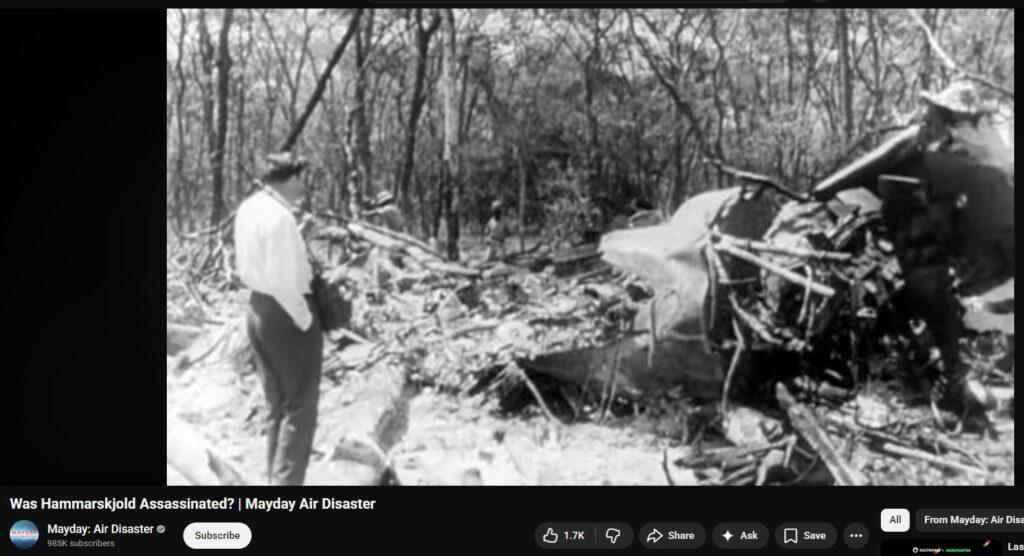
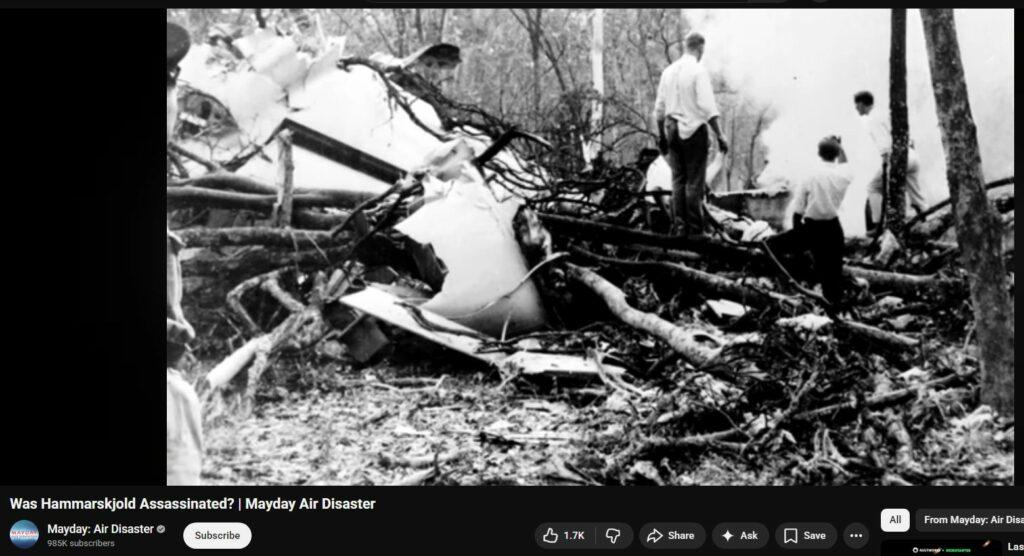
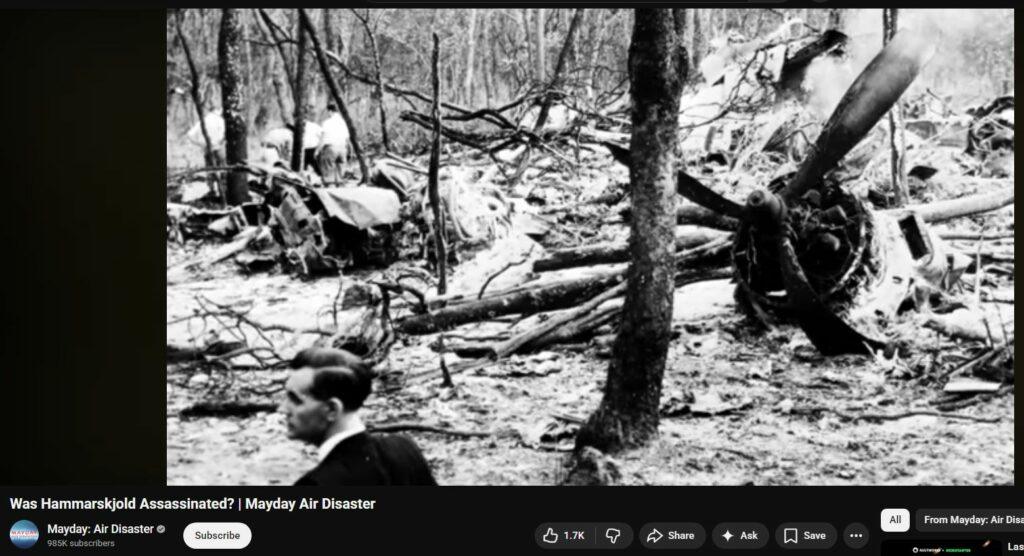
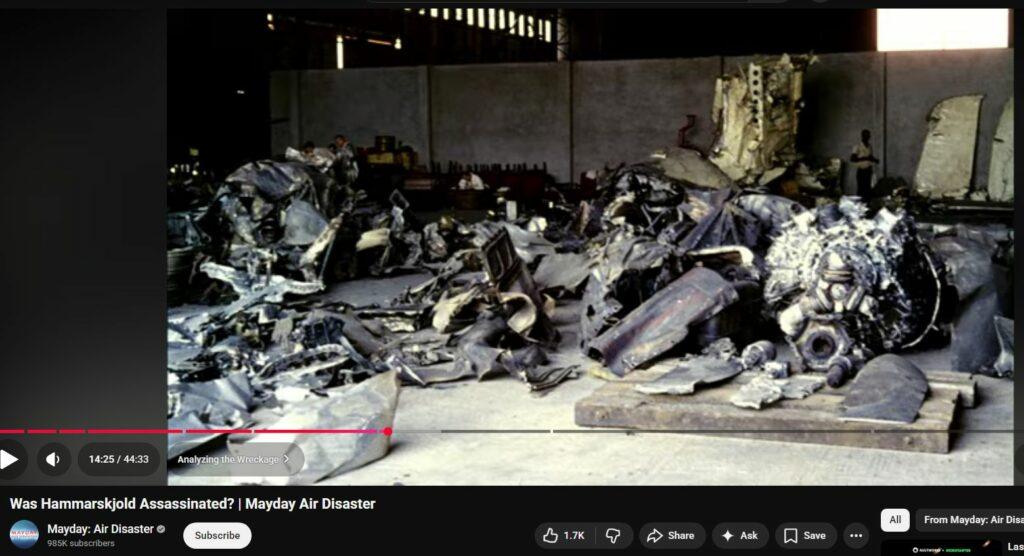
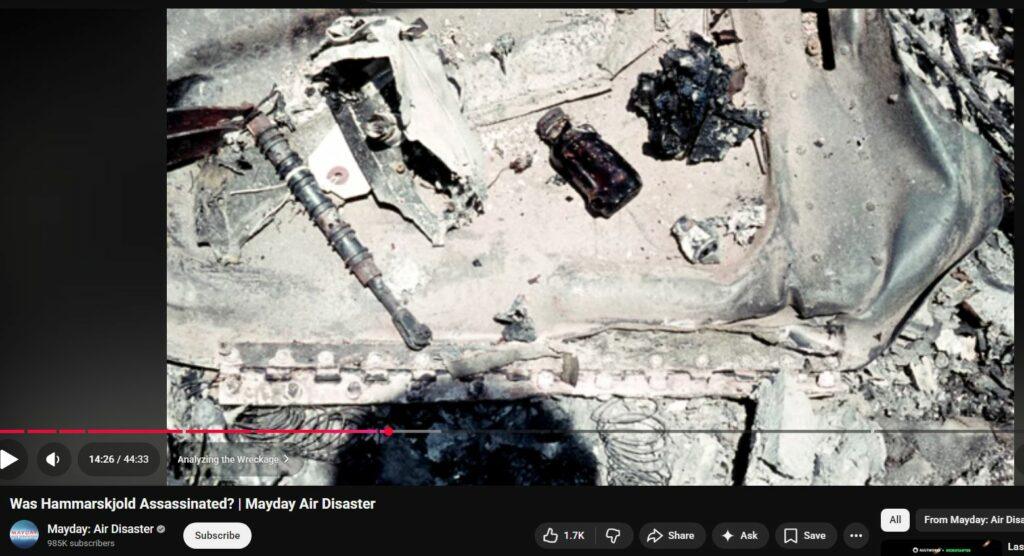
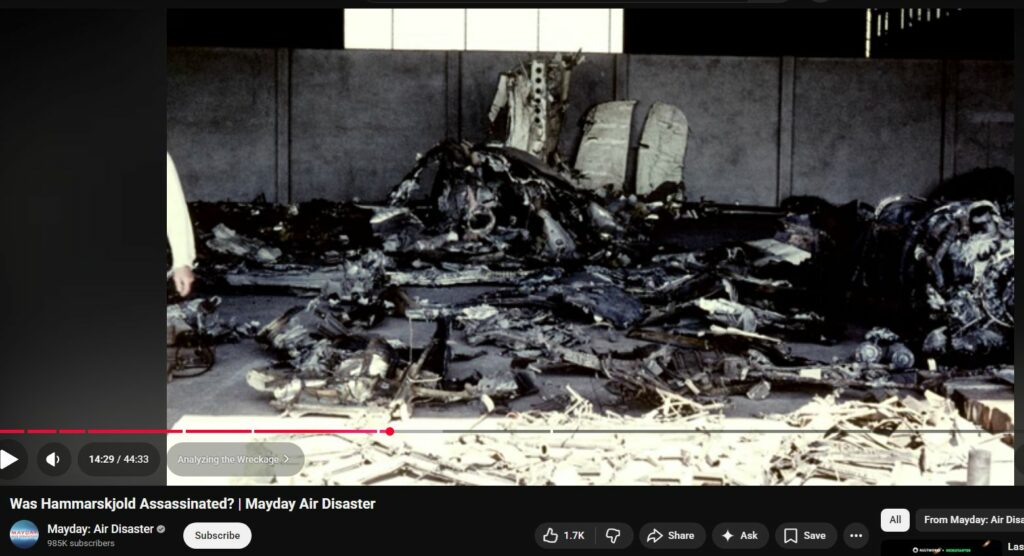
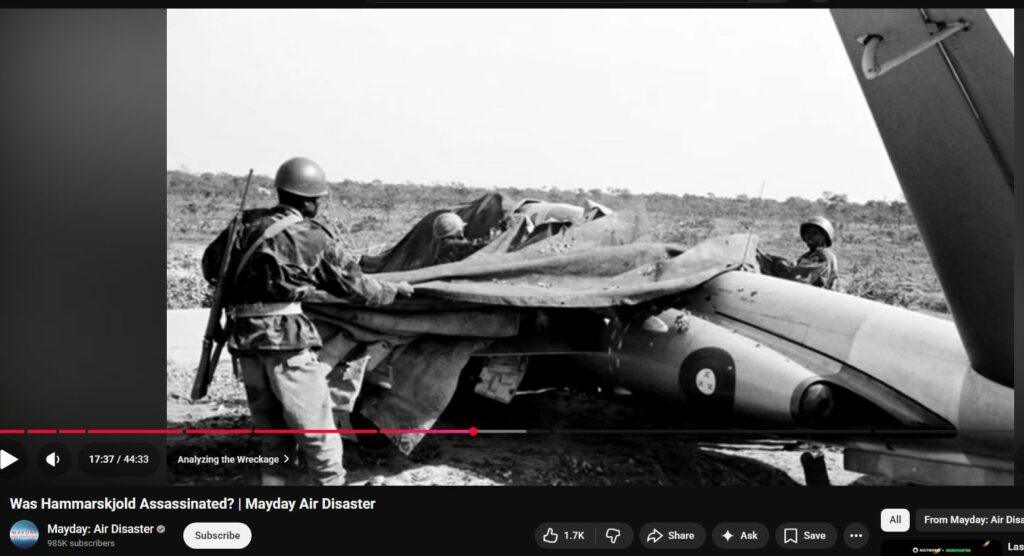
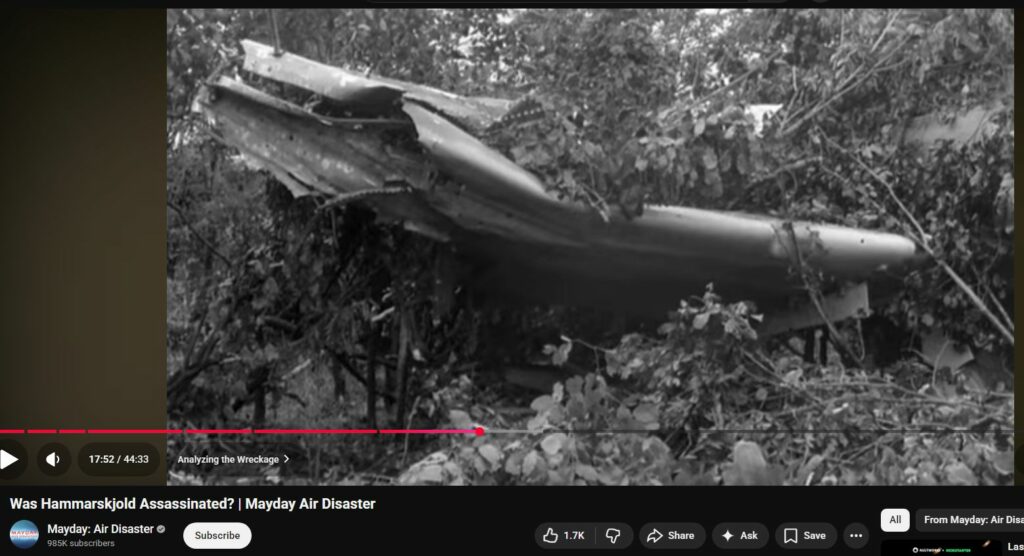

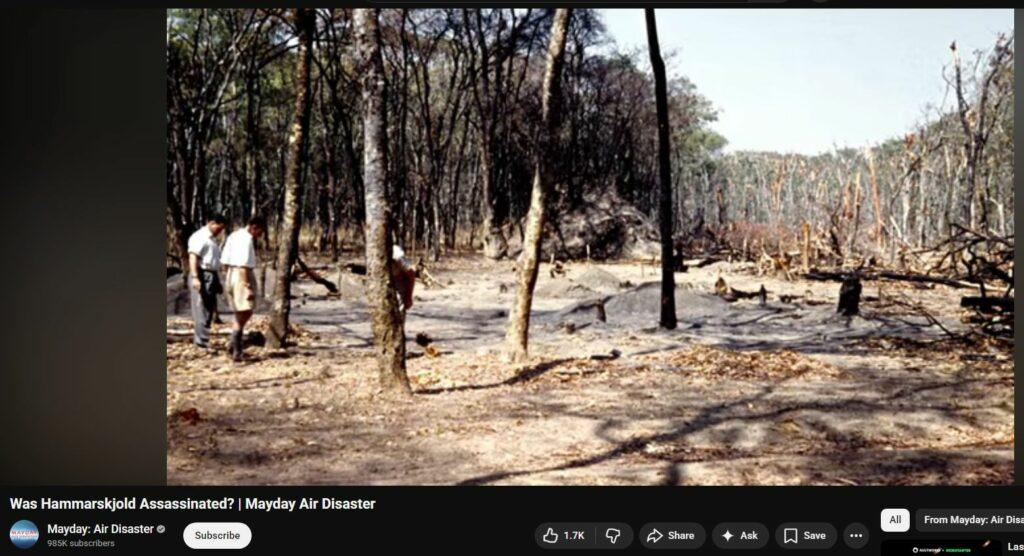
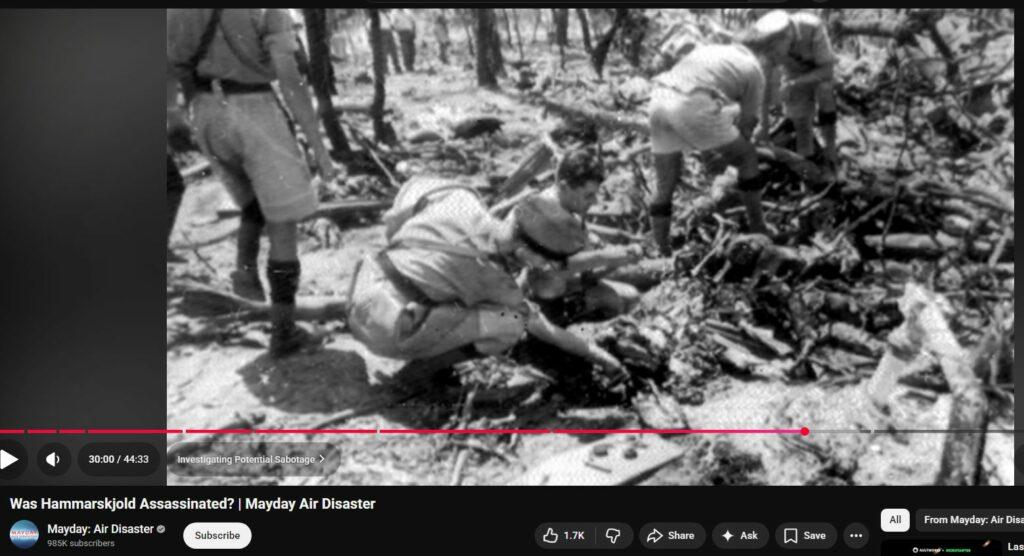
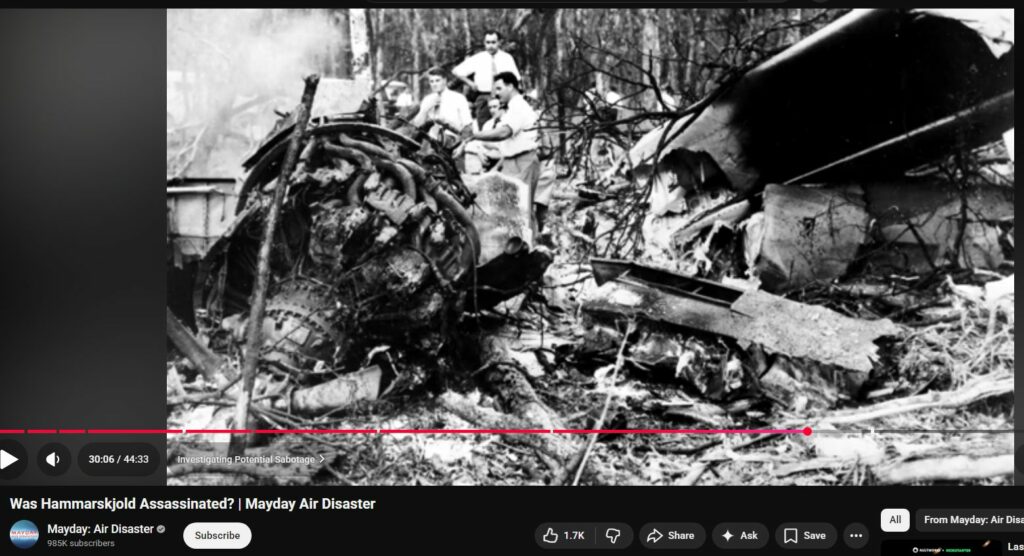
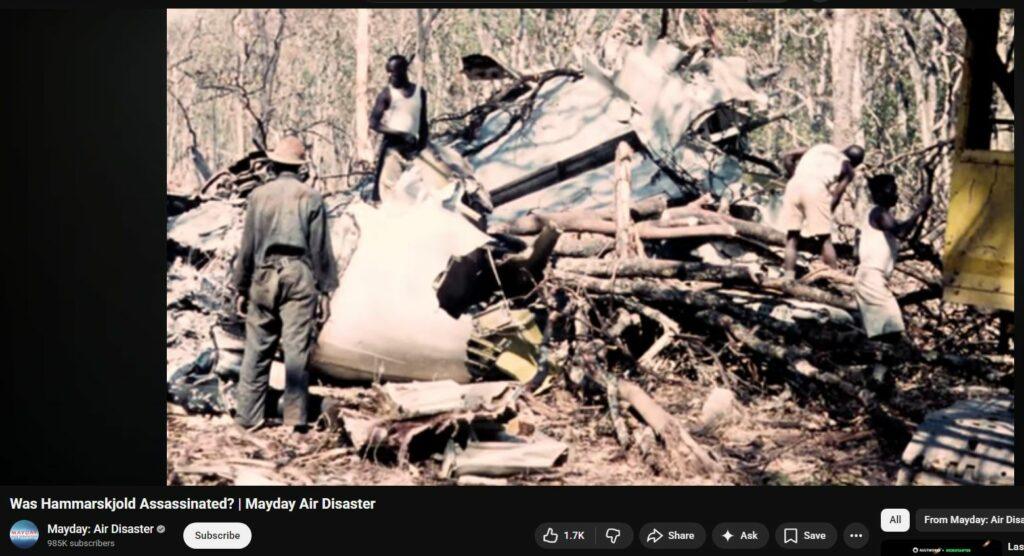
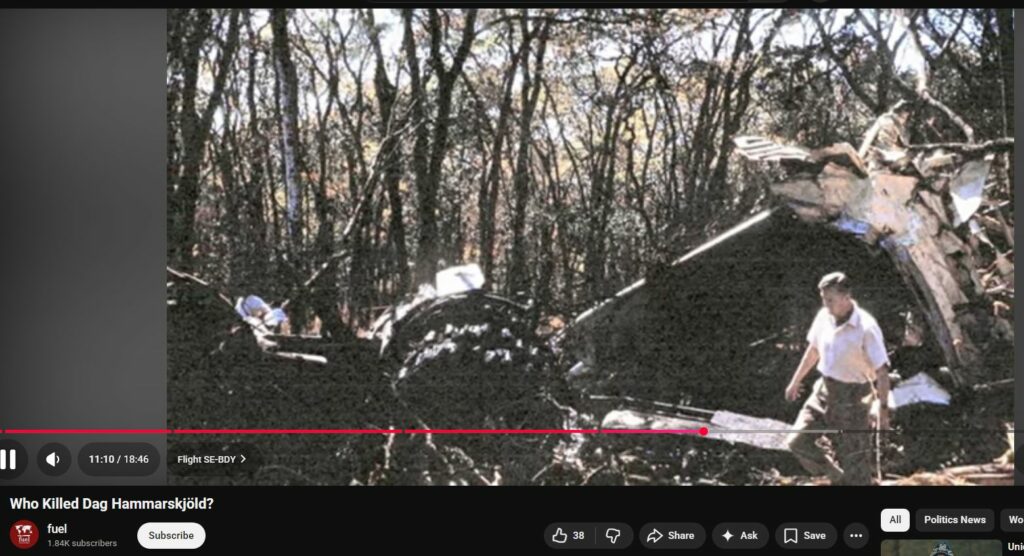
Just like the WTC on 911
Basically reduced to tiny portion of initial material
https://www.flickr.com/photos/70217867@N07/albums/72157692090426250/with/41837617025
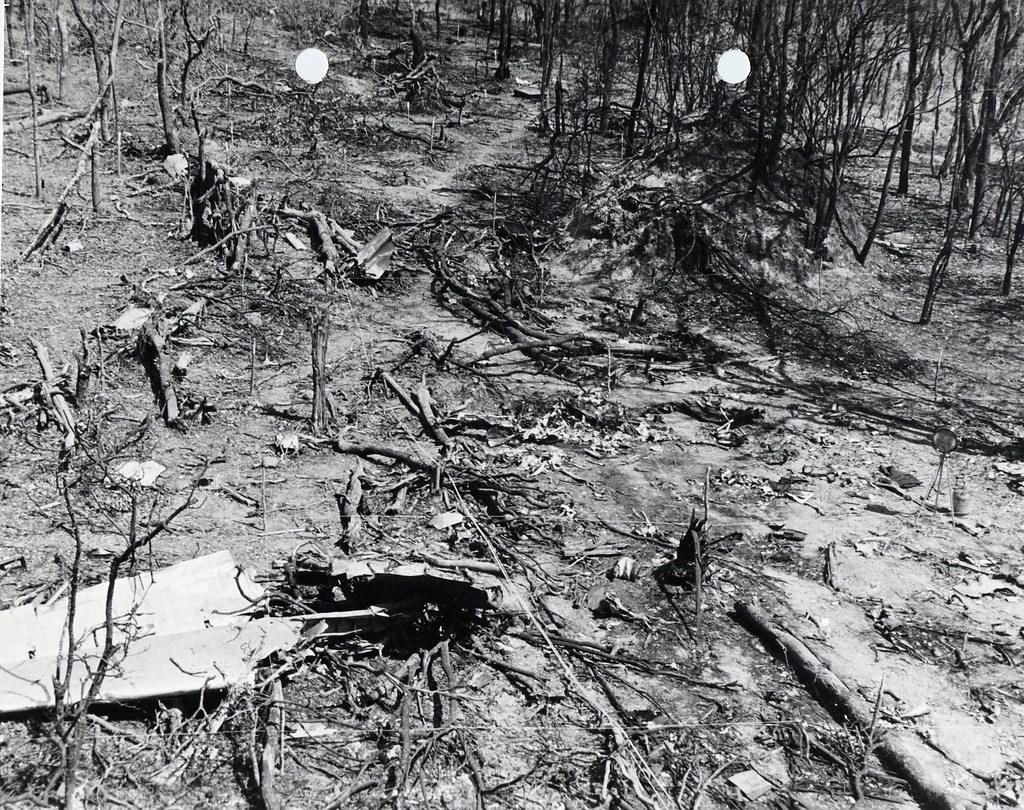


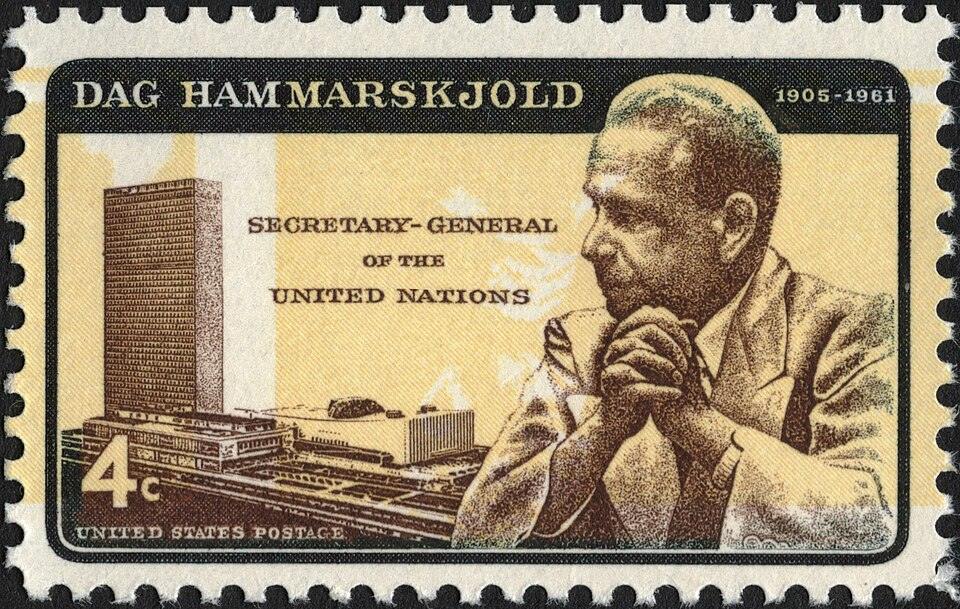


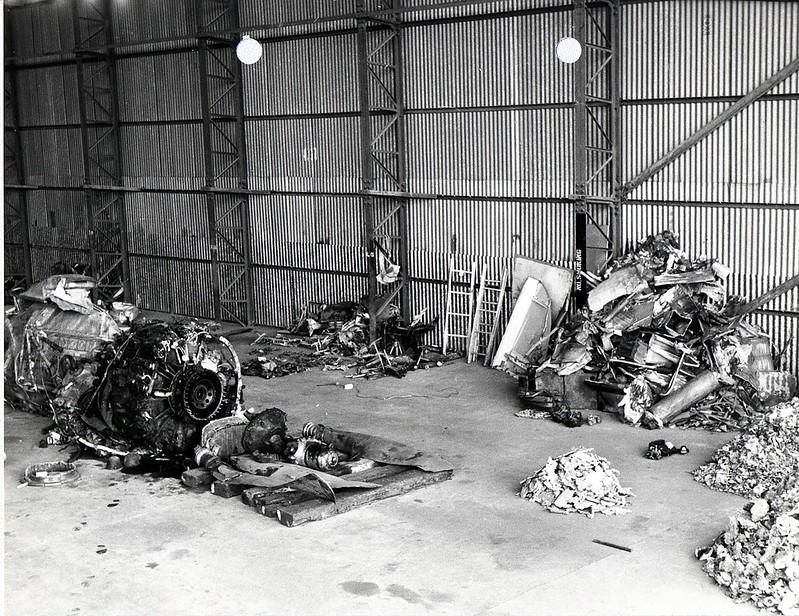
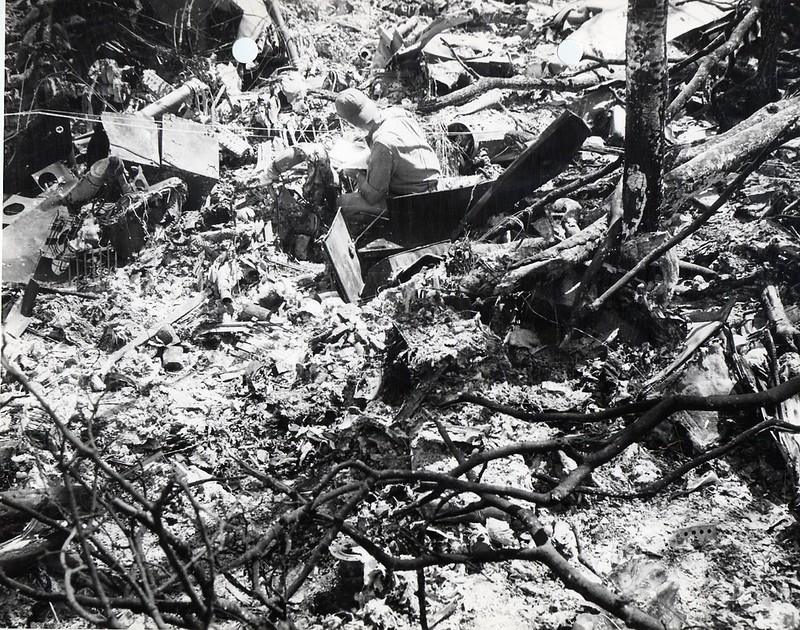
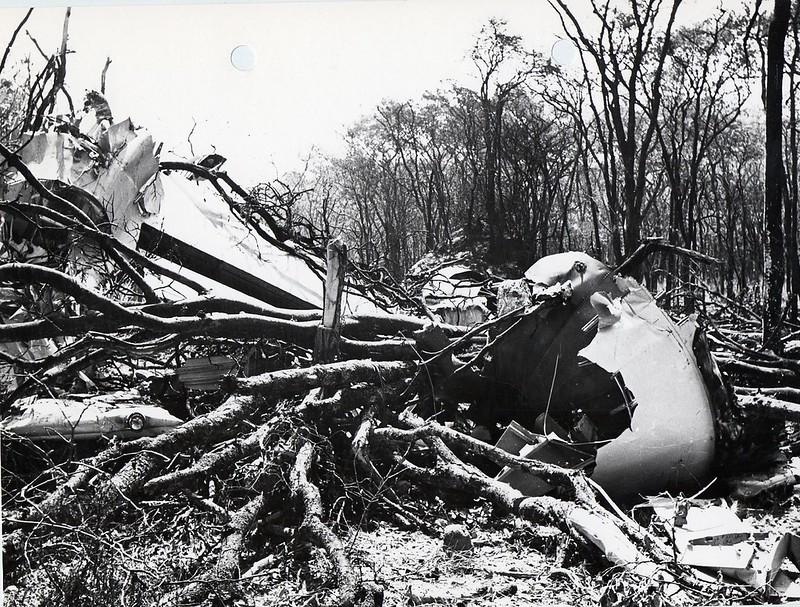
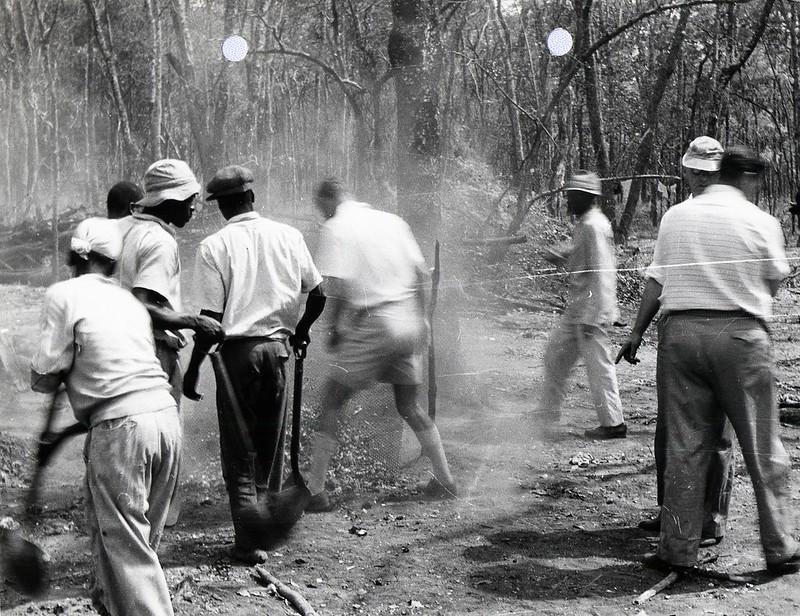
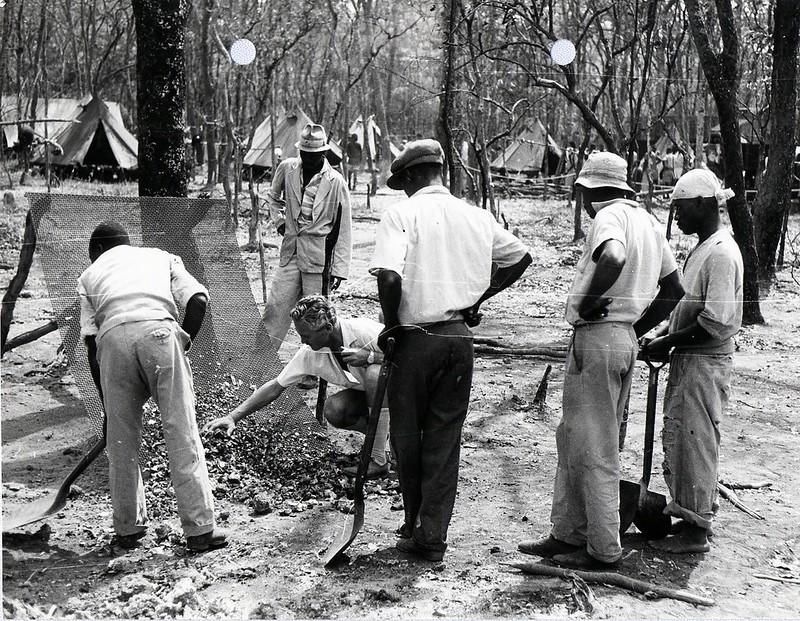


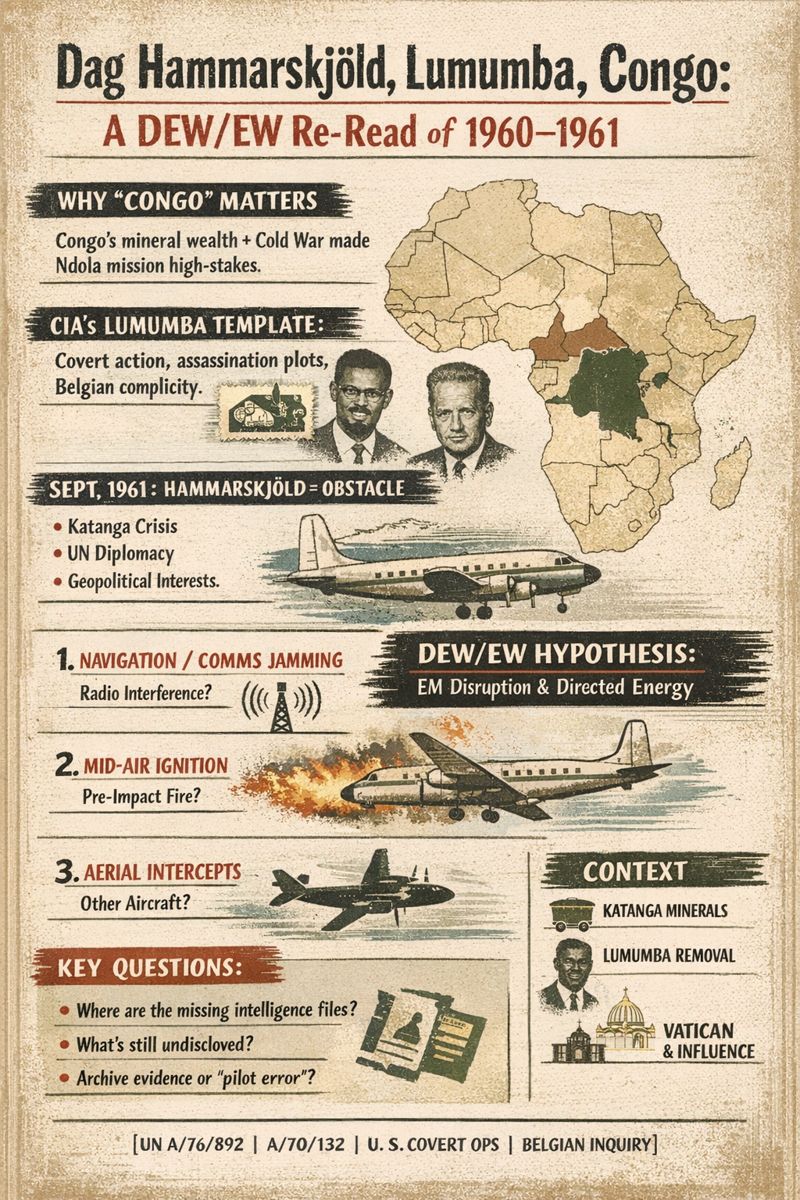
Dag Hammarskjöld, Lumumba, Congo: A DEW/EW Re-Read of 1960–1961
Why “Congo” is the key that unlocks “Ndola”
The Hammarskjöld crash (17–18 Sept 1961) sits inside a narrow, high-stakes corridor: Congo’s chaotic decolonization, Katanga’s breakaway mineral state, and the Cold War’s covert methods for “problem leaders.” The simplest way to remove bias is to stop treating these as separate stories.
Congo’s 1960 independence triggered immediate power struggle, external interference, and the Katanga secession—an event tightly linked to strategic minerals, corporate stakes, and competing intelligence agendas.3 (Office of the Historian) In that context, Hammarskjöld wasn’t a neutral passenger in history; he was a system constraint on actors who needed Congo to remain fragmented and “manageable.”
Lumumba as the template: how “removal” worked in real time
Patrice Lumumba’s arc establishes the operational baseline for the period: when a leader threatened external mineral/strategic control, multiple channels moved simultaneously—political isolation, proxy forces, and intelligence operations.
Two points are “hard record,” not vibes:
- CIA intent and operational planning: U.S. covert action documents and official historical summaries describe U.S. leadership treating Lumumba as a target for “removal,” including assassination planning discussions in 1960–61.4 (Office of the Historian)
- Belgian state culpability acknowledged (moral responsibility): Belgium’s own parliamentary inquiry concluded that certain Belgian government members and other Belgian participants bore moral responsibility for circumstances leading to Lumumba’s death.6 (La Chambre)
That template matters because Hammarskjöld was attempting to constrain the same battlefield—Katanga’s secession regime, foreign mercenaries, and the “off-books” infrastructure that made Congo’s fragmentation profitable and geopolitically useful.
Hammarskjöld becomes the obstacle: what changes by Sept 1961
By late 1961, ONUC operations and Hammarskjöld’s diplomacy threatened to compress the conflict back toward a unified Congo—precisely what Katanga’s backers did not want. This is where the UN’s own later work becomes decisive: modern UN reviews did not “close the case,” they narrowed it.
What the UN’s 2015 independent review actually said
The UN-appointed Independent Panel (reported in A/70/132) rated “aerial attack or other interference” as a hypothesis supported by moderate probative value based on multiple strands of new information: eyewitness reports of more than one aircraft, claims of intercepts, Katanga’s air capability, and other irregularities.2 (e-Learning UNIMIB)
The 2015 report explicitly frames the remaining gap as a document problem—Member States holding classified material and not producing it, even decades later.2 (e-Learning UNIMIB)
What the UN’s 2022 update adds (and why it’s a pivot)
The 2022 UN report (A/76/892) states plainly that it “remains plausible that an external attack or threat was a cause of the crash.”1
Even more important, it formalizes the logic of withheld records: the report notes it is “almost certain” further relevant information exists and that certain Member States have not discharged the burden of proof to show they fully reviewed and disclosed what they hold.1
This is not skepticism; it is the opposite. It is an institutional admission that the “pilot error / accident” narrative does not exhaust the evidentiary space, and that intelligence archives likely contain material answers.
Where DEW/EW fits: mechanisms consistent with the UN’s “external attack or threat” bucket
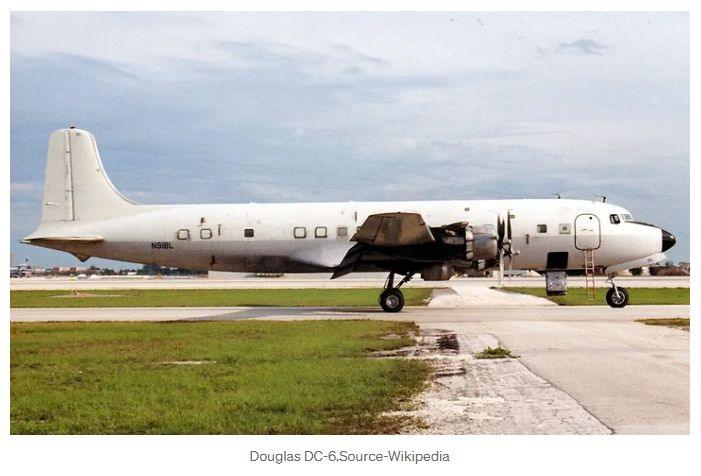
If you accept (a) intelligence presence in theatre, (b) intercept capability, (c) aerial engagement accounts, and (d) a tightly bounded political motive, then the remaining question becomes technical: what kinds of intervention could down a DC-6 without leaving a neat smoking gun that survives 1961-era handling?
A DEW-first frame does not require “science fiction.” It can start with electromagnetic disruption and precision thermal initiation—capabilities that were already real and developing rapidly by that period.
Baseline tech reality by 1960–61
- Lasers existed by 1960 (Maiman’s first operational laser). That matters because it anchors the era: directed, coherent energy wasn’t theoretical—it was demonstrated.7 (Encyclopedia Britannica)
- Microwave irradiation as an intelligence/pressure tool was already a Cold War phenomenon (e.g., the “Moscow Signals” record shows sustained microwave transmissions directed at diplomatic facilities beginning in the 1950s). Whatever one concludes about intent/effects, the historical fact of directed microwave transmission campaigns exists.[8] (National Security Archive)
So the question is not “could directed energy exist,” but “what operationally plausible mode best matches the anomaly set the UN keeps returning to?”
A practical DEW/EW takedown model consistent with the UN evidence lanes
Below is a mechanism stack that fits the UN’s “attack/threat” framing while explaining why the case remains document-dependent:
- Navigation/communications interference at a critical phase
- A DC-6 approach at night depends on radio navigation cues, cockpit workload, and disciplined descent profiles. A targeted EW environment can increase error probability without an obvious physical signature—especially if paired with misinformation (false beaconing, confusing callouts, or selective jamming).
- This aligns with the UN’s emphasis on intercepts, intelligence activity, and the need for Member State records to resolve what was being monitored/controlled.1
- In-flight fire initiation before impact
- The 2015 UN review highlights new eyewitness accounts suggesting the aircraft was on fire before ground impact and/or that other aircraft were present.2 (e-Learning UNIMIB)
- Directed thermal initiation (even short-duration) combined with stress and confusion yields a narrow corridor where a crew can lose the margin needed for a stable approach. The “signature” becomes an accident pattern—unless you have intercept logs, radar, and operational records.
- Aerial proximity / intimidation / engagement
- The UN panel did not treat “other aircraft present” as trivial; it is listed among the moderate-probative elements that justify further pursuit.2 (e-Learning UNIMIB)
- Whether that proximity represents kinetic attack, coercive maneuvering, or a platform facilitating EW/energy effects is exactly the sort of thing that would live in defense/intelligence archives.
“Cremation” in the evidentiary sense: how traces get erased even when nobody needs a blowtorch
Whether one uses the word “cremation” literally or for effect, the technical issue is real: thermal damage plus 1961-era scene control can destroy discriminating forensic information. The UN’s 2015 review preserves a core point that matters here: claims that Hammarskjöld survived and was then assassinated were assessed as lacking probative value, while the real unresolved lane remains in-flight interference / attack / threat supported by new evidence strands.2 (e-Learning UNIMIB)
In other words: the strongest inquiry is not a post-crash “execution” story. The strongest inquiry is a systems-level takedown where the wreck, the bodies, and the paperwork were never allowed to become a clean laboratory specimen.
Jesuits, Vatican, and “soft-power plumbing” in Congo
A bias-free (meaning: complete) geopolitical analysis does not treat religious institutions as irrelevant. In colonial/post-colonial Congo, institutional power flowed through multiple pipes: state ministries, corporate boards, intelligence cutouts, and also education/mission networks that shaped elites and information access.
The disciplined way to handle “Jesuits/Vatican” in this case is not to jump straight to a single hidden hand; it is to map interfaces:
- Which educational/mission institutions produced or advised key administrators?
- Which diplomatic channels carried “anti-communist” framing into security decisions?
- Which media and relief networks influenced international perception of ONUC and UN legitimacy?
That mapping is how you turn “intrigue” into a falsifiable research program: names, dates, postings, archives, and correspondence—then compare against the UN’s still-missing intelligence record.
The scientific move: predictions and a test plan
If DEW/EW (broadly: directed electromagnetic disruption + possible energy initiation) is the correct explanatory frame, it should imply specific recoverable artifacts—even now.
Predictions
- Intercept/radar fragments exist in multiple archives, because the UN reports repeatedly point to “almost certain” existence of additional communications and intelligence records.1
- Operational logs will show unusual monitoring interest around the flight window (signals units, diplomatic reporting, regional military posture).
- Consistent testimony clusters: eyewitness accounts of other aircraft / pre-impact fire should correlate geographically and temporally with plausible approach paths and known bases.
Actionable next steps (researcher-usable)
- Build a “who could know” matrix from the UN’s own identified key states and intelligence presence claims, then press for disclosures via declassification review mechanisms the UN process already describes.1
- Cross-compare Lumumba-era covert action methods (documented) with Ndola-era opportunity structures: same theatre, same mineral pressures, same intelligence actors, different target.46 (Office of the Historian)
- Treat “DEW” as an engineering hypothesis: focus on what would be observable (comms anomalies, approach confusion, pre-impact fire reports, rapid narrative lock-in, withheld intercepts), not on speculative hardware lore.
Bottom line
The least biased position today is to accept the UN’s own narrowing: external attack/threat remains plausible, and undisclosed intelligence material is the limiting factor.1 From there, a DEW/EW-first model becomes not “extraordinary,” but structurally consistent with (a) the Lumumba removal template, (b) Katanga’s strategic mineral stakes, and (c) the persistent pattern of “the answer is in archives that won’t open.”36 (Office of the Historian)
What remains is disciplined extraction: documents, intercept trails, and technical reconstruction—not belief management.
Endnotes
1 UN General Assembly document A/76/892 (25 Aug 2022), Secretary-General letter + Eminent Person report (external attack/threat remains plausible; burden of proof on certain Member States)
2 UN General Assembly document A/70/132 (2 Jul 2015), Independent Panel findings (moderate probative value for “aerial attack or other interference”; urges disclosure/declassification) (e-Learning UNIMIB)
3 U.S. Department of State, Office of the Historian (Milestones) — Congo crisis context and decolonization dynamics (Office of the Historian)
4 U.S. Department of State, Office of the Historian — “Covert Action in the Congo” (U.S. covert intent/actions during Lumumba period) (Office of the Historian)
5 U.S. Senate “Church Committee” materials on assassination plots (Lumumba included) (CIA)
6 Belgian Chamber of Representatives — Lumumba Inquiry Conclusions (moral responsibility finding) (La Chambre)
7 Encyclopaedia Britannica — history/definition noting first laser operated by Theodore H. Maiman in 1960 (Encyclopedia Britannica)
[8] National Security Archive (GWU) — “Moscow Signals” declassified collection (directed microwave transmissions in Cold War record) (National Security Archive)

https://aviation-safety.net/wikibase/333493