“With suspicion that Bill Gates could be behind this in some way or another, at least now we know that Chikunguna mosquito-borne disease matters to somebody with the means to direct energy beams…”
DEW Hallmarks / Clues
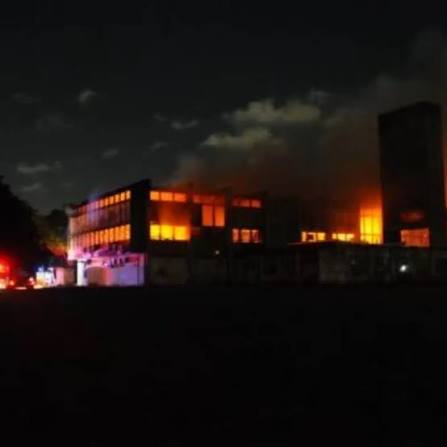
- Uniform conflagration
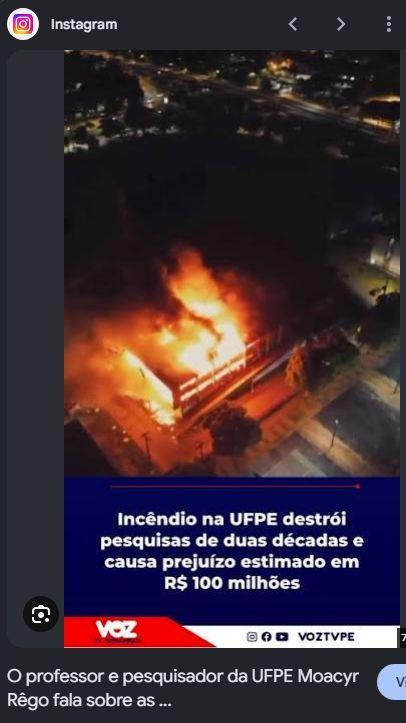
- Ferocity, intensity inexplicable by available combustibles (“…between carbon dioxide incubators and microscopes…”) Carbon dioxide is a fire extinguisher. Microscopes are largely glass and metal.
- Research target / Stymied science (“…a key research site for a national project into the lasting effects of chikungunya, a viral disease spread by mosquitoes that has caused devastating outbreaks…”)
- Superheated / Insta-rusted metal
- Long blaze, inextinguishable despite many firefighters/apparati (“…the flames burn until midnight. The firefighters were only able to fully put out the fire at about 8 a.m.”)
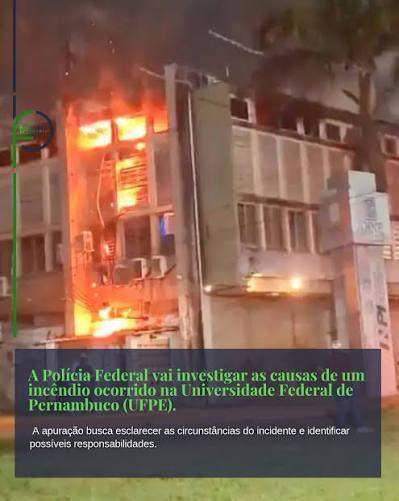
- Rapid spread, complete conflagration (“By the time he arrived 20 minutes later, the entire first floor was in flames.”)
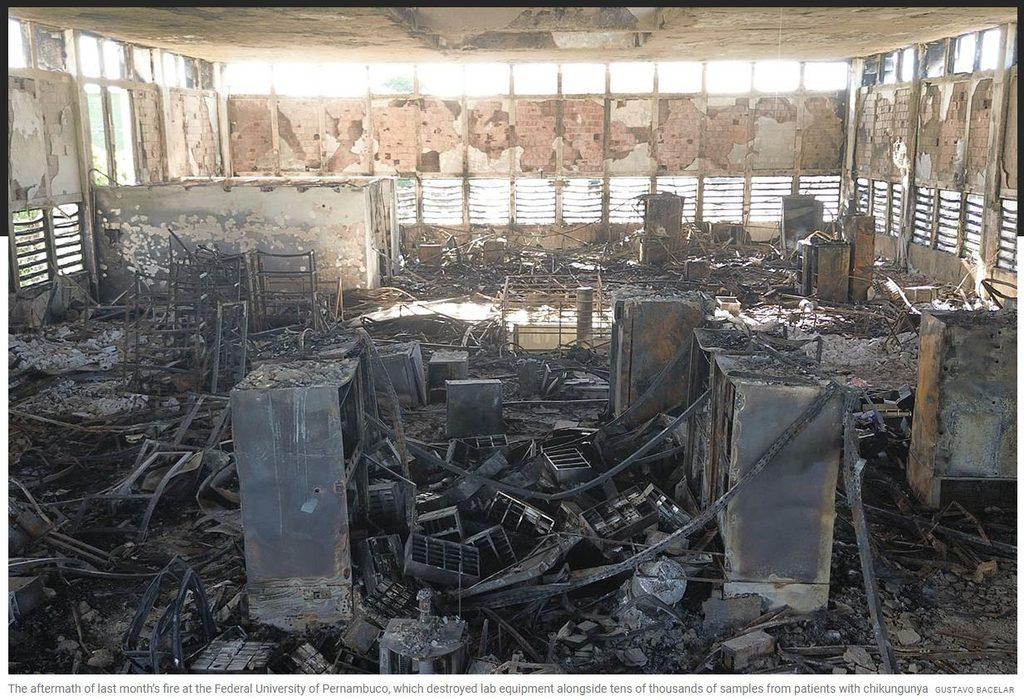
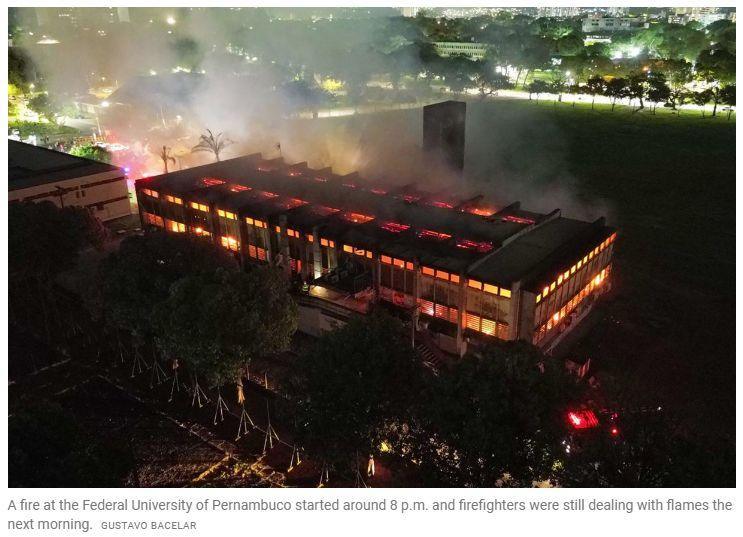
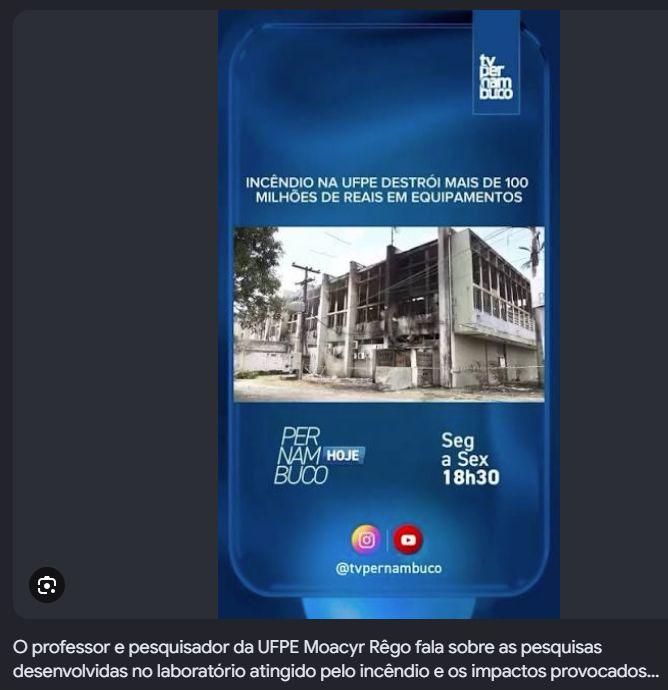
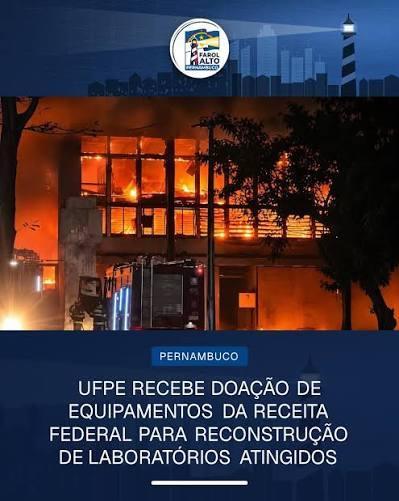
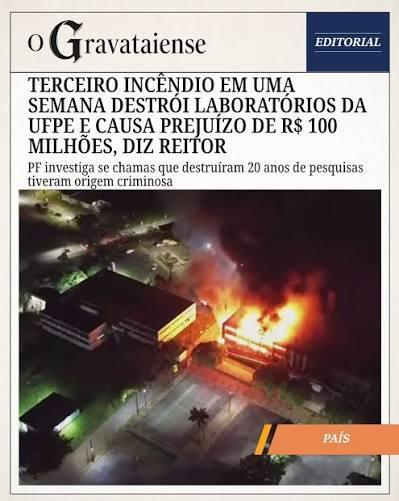
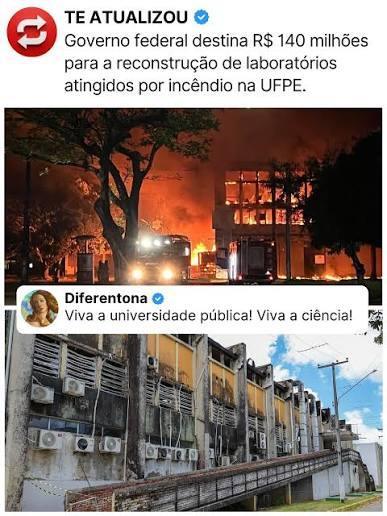
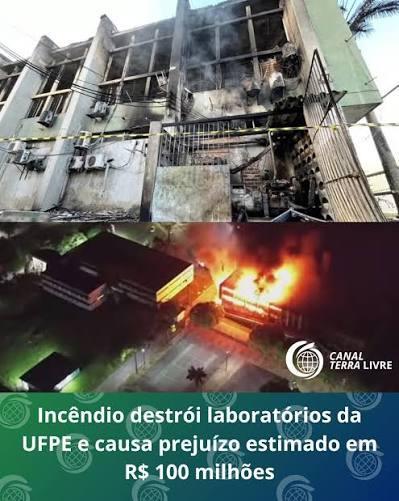
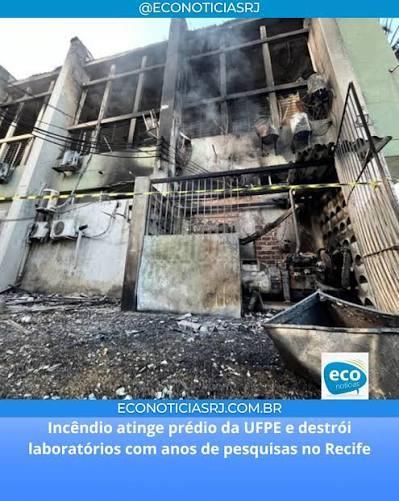
The aftermath of last month’s fire at the Federal University of Pernambuco, which destroyed lab equipment alongside tens of thousands of samples from patients with chikungunyaGustavo Bacelar
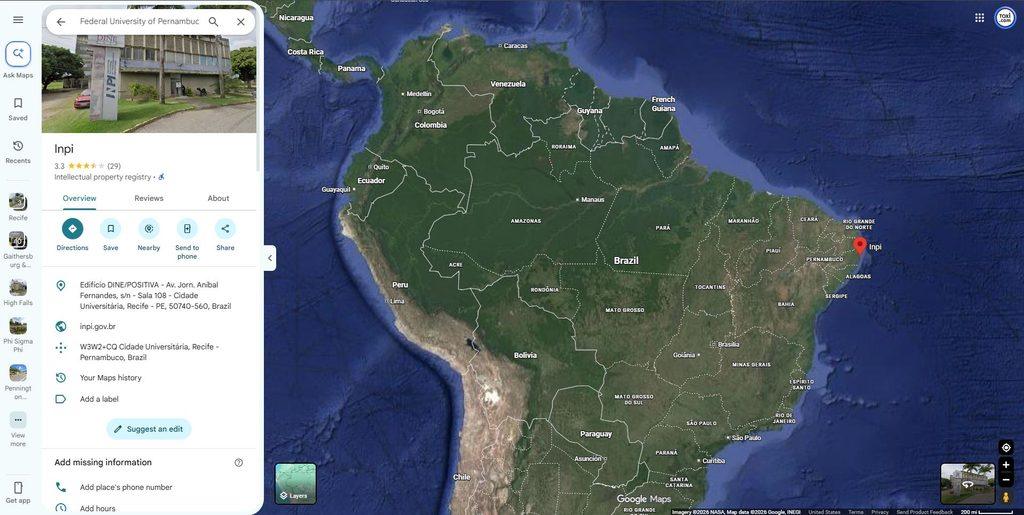
GOOGLE MAP https://www.google.com/maps/place/Federal+University+of+Pernambuco/@-8.0529354,-34.9522242,1139m
WIKIPEDIA https://en.wikipedia.org/wiki/Federal_University_of_Pernambuco
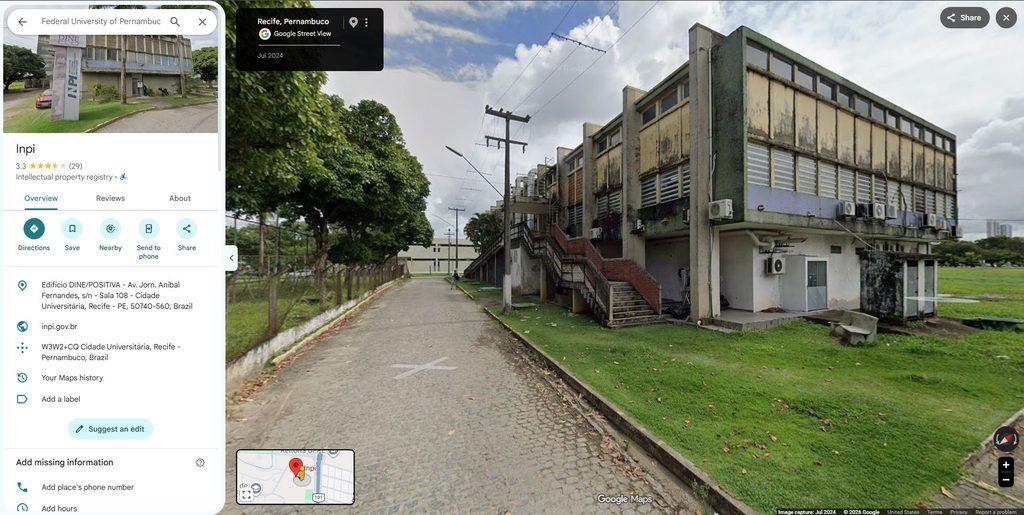
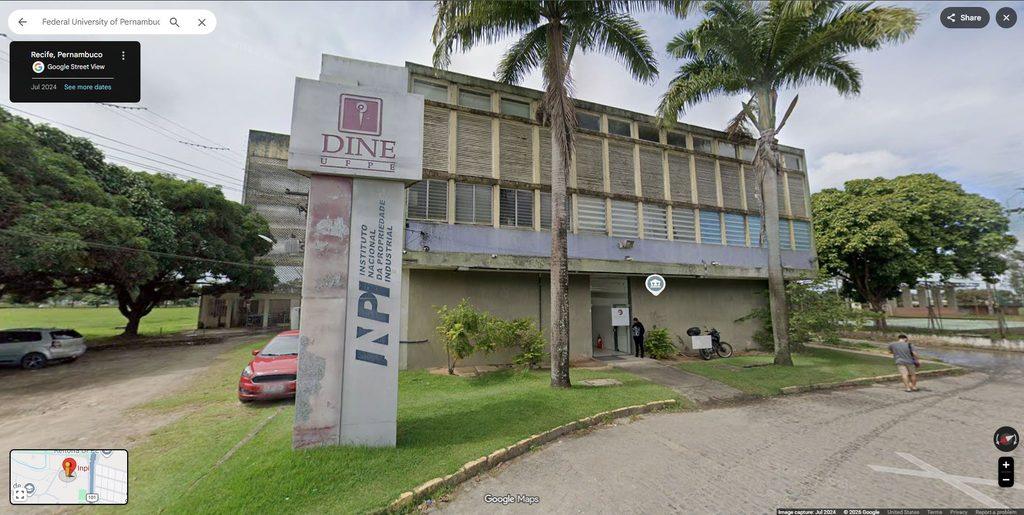
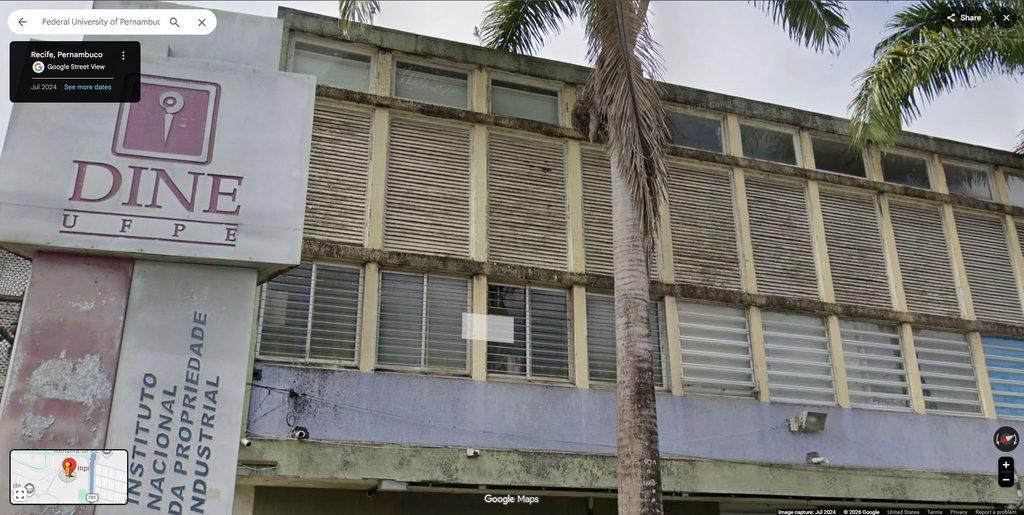
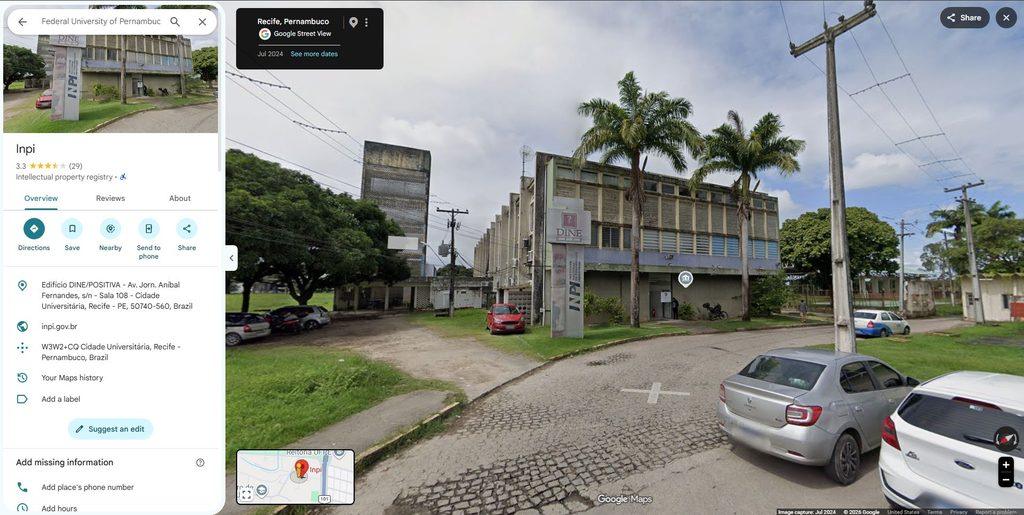
GOOGLE MAP OF THE BUILDING DEW’d https://www.google.com/maps/place/Federal+University+of+Pernambuco/@-8.0538461,-34.9481479,142m
GOOGLE https://www.google.com/search?q=lab%2C+ufpe%2C+Moacyr+R%C3%AAgo&oq=lab%2C+ufpe%2C+Moacyr+R%C3%AAgo
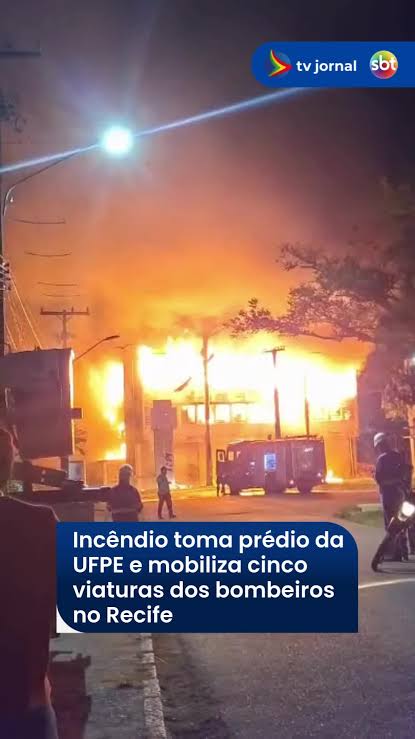
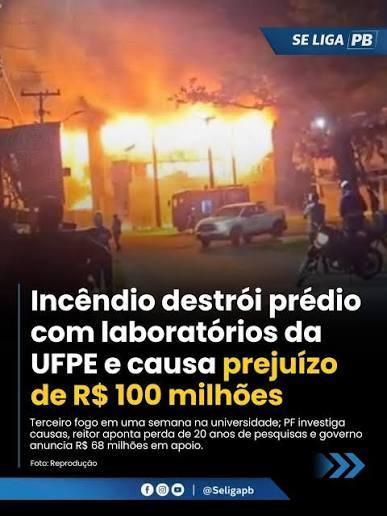
On 7 October, biochemist Moacyr Rêgo started to get frantic texts from his students at the Federal University of Pernambuco (UFPE) in northeastern Brazil. As he scrolled through the messages, he saw photos of a small fire at the building that housed his lab. Rego had just arrived home from campus, and the fire looked so small he felt certain it would be put out in no time. Still, he decided to go check. By the time he arrived 20 minutes later, the entire first floor was in flames.
Rêgo’s lab was a key research site for a national project into the lasting effects of chikungunya, a viral disease spread by mosquitoes that has caused devastating outbreaks in Brazil and around the globe. On the second floor of the building, between carbon dioxide incubators and microscopes, were 85,000 samples, from blood to urine to plasma, taken from about 900 chikungunya patients at every stage of the disease.
Watching as the flames rose higher, Rêgo and his team realized their lab was beyond saving. There was a “big collective sobbing,” says Ph.D. student Nathália Ferreira. And with the lab went the huge collection of samples that researchers had hoped could reveal why so many people infected with chikungunya suffer from debilitating symptoms such as joint and nerve pain years down the line.
“Losing medical research is always going to be sad,” says immunologist Danny Altmann of Imperial College London. “But this is such a big important one and it looms so large for global health.” Last year, more than a half-million cases of chikungunya were reported worldwide, and research suggests about half of those patients are likely still experiencing chronic pain.
Brazilian researchers began a concerted effort to study the long-term effects of chikungunya in 2019, 3 years after an outbreak killed more than 300 people in the country. The project, called the Clinical and Applied Research Network in Chikungunya (REPLICK), was supported by the federal government and involved study sites in nine Brazilian states, where researchers sampled patients from infection up to 3 years later.
By this year, REPLICK had collected about 100,000 samples, with about 85% of them kept at the UFPE lab—largely because a major outbreak had hit that region of Brazil in 2021, says project lead André Machado de Siqueira, an infectious disease researcher at the Oswaldo Cruz Foundation.
About 200 students working at the UFPE lab have also lost part, if not all, of their research. Brazil’s Ministry of Education was quick to act, Rego says, asking other research institutions to host students and, together with the science ministry, making about $28 million available for recovery. But the costs are likely to be even higher, he says.
The local fire and police departments are investigating the cause of the fire, which came days after two other, smaller fires on campus and amid student-led protests in anticipation of the country’s national elections. No updates on the investigation have been shared yet.
On the night he lost his lab, Rêgo stayed on campus, watching the flames burn until midnight. The firefighters were only able to fully put out the fire at about 8 a.m.