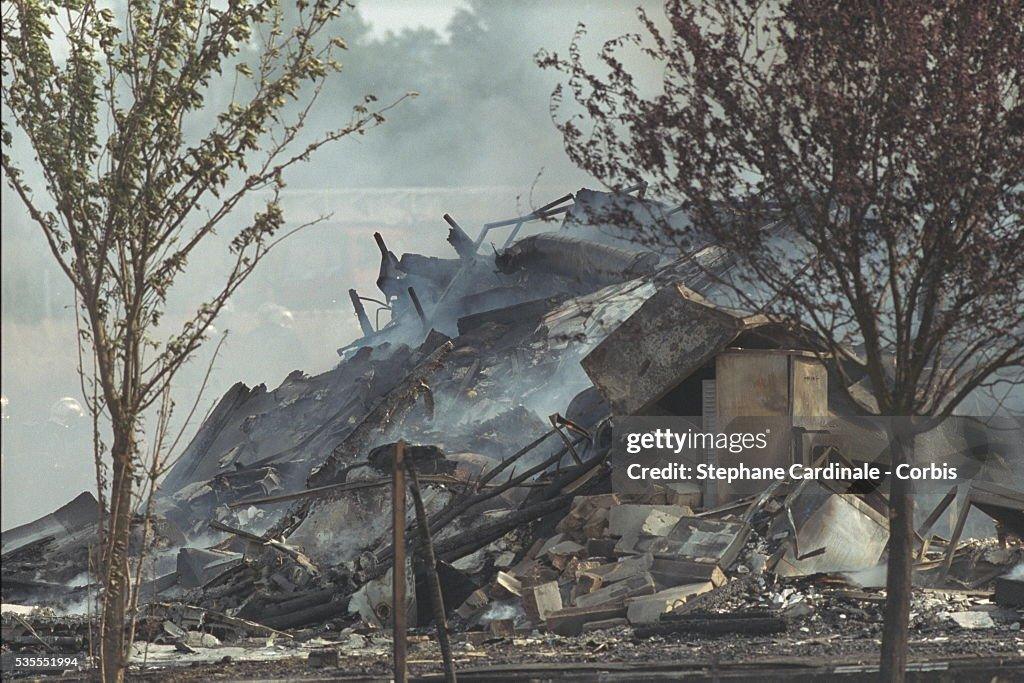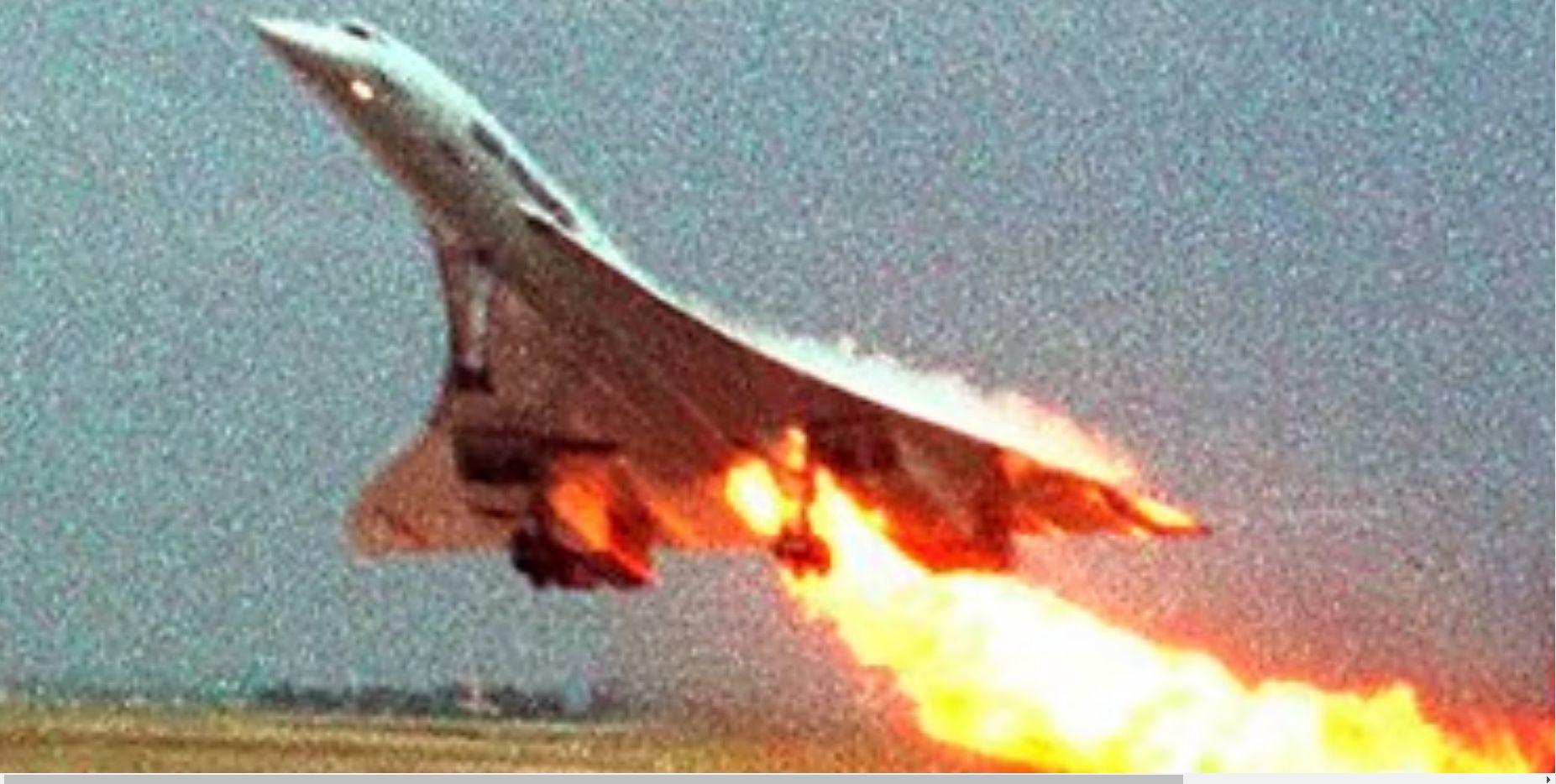
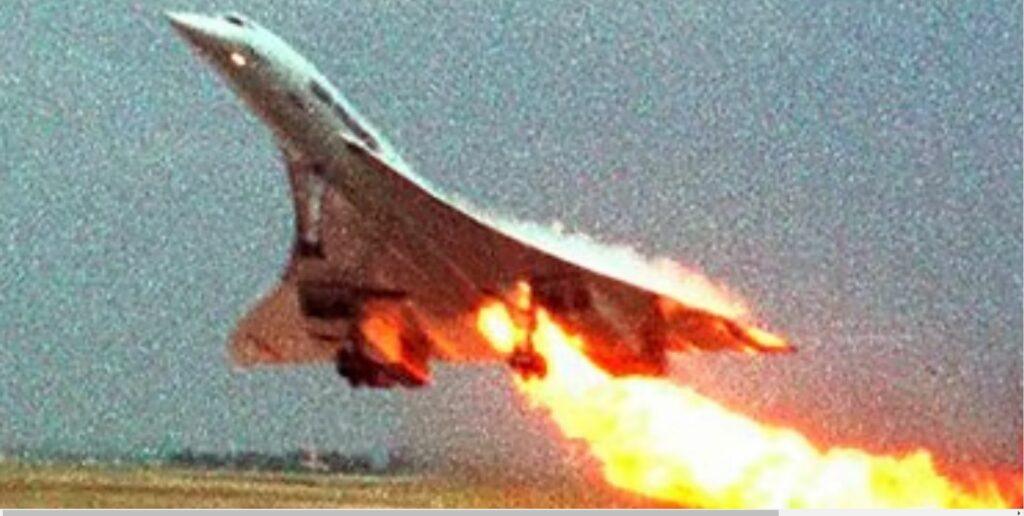
Looking back 20/20 with insight into DEW damage, how do the anomalies and evidence align with a DEW-aided takedown? Turns out DEW Hallmarks are present in abundance. Was this suspected DEW takedown one superpower versus another? Insurance fraud? A demonstration or test of superiority?
DEW Hallmarks
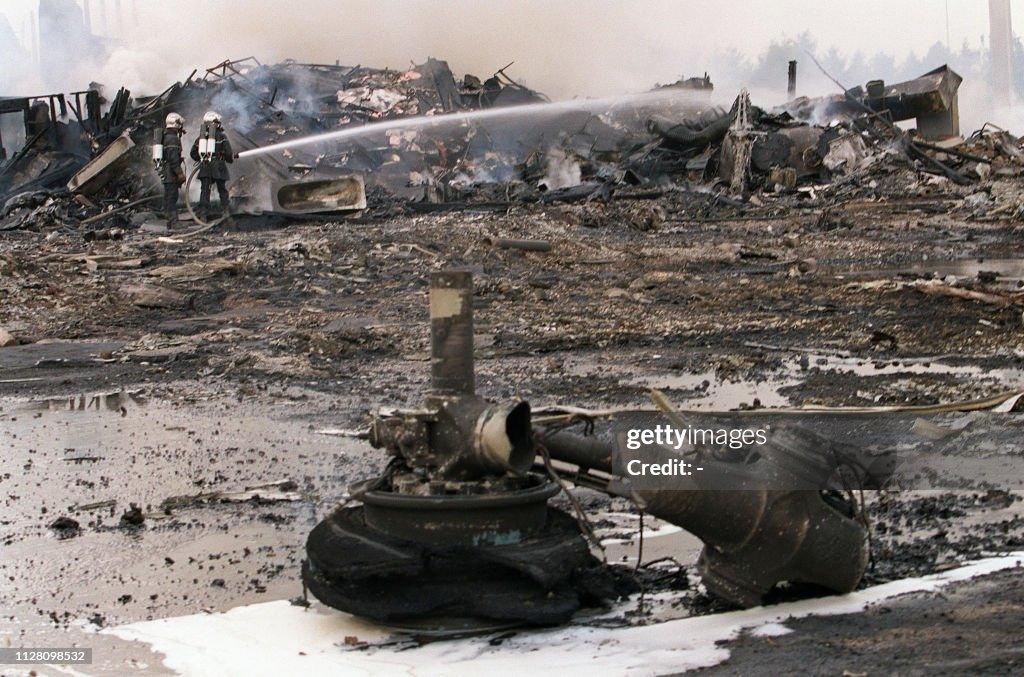
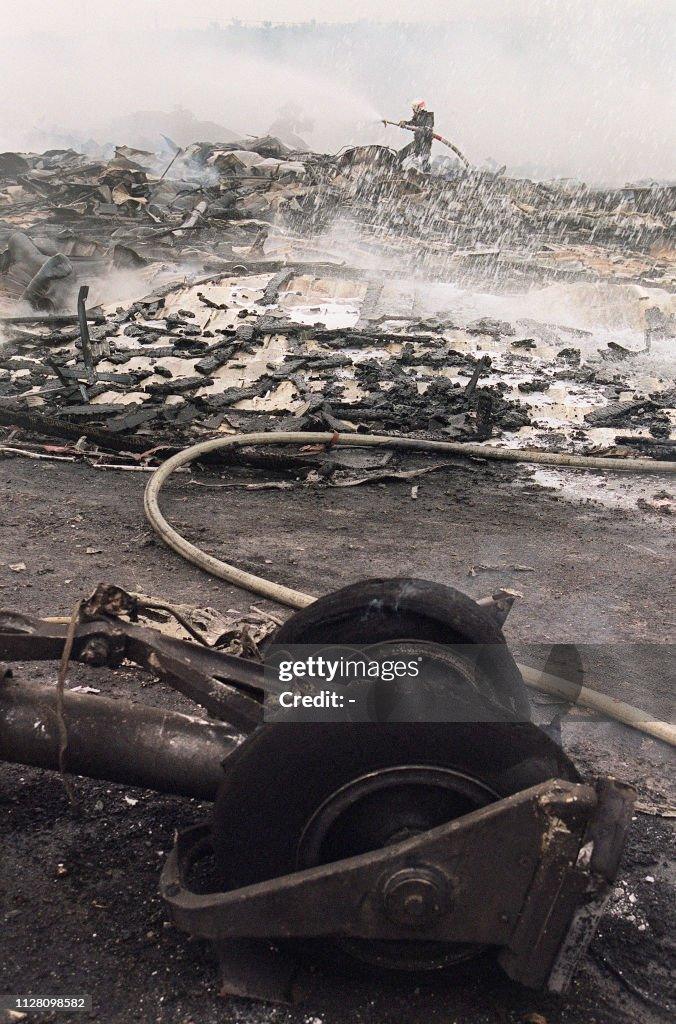
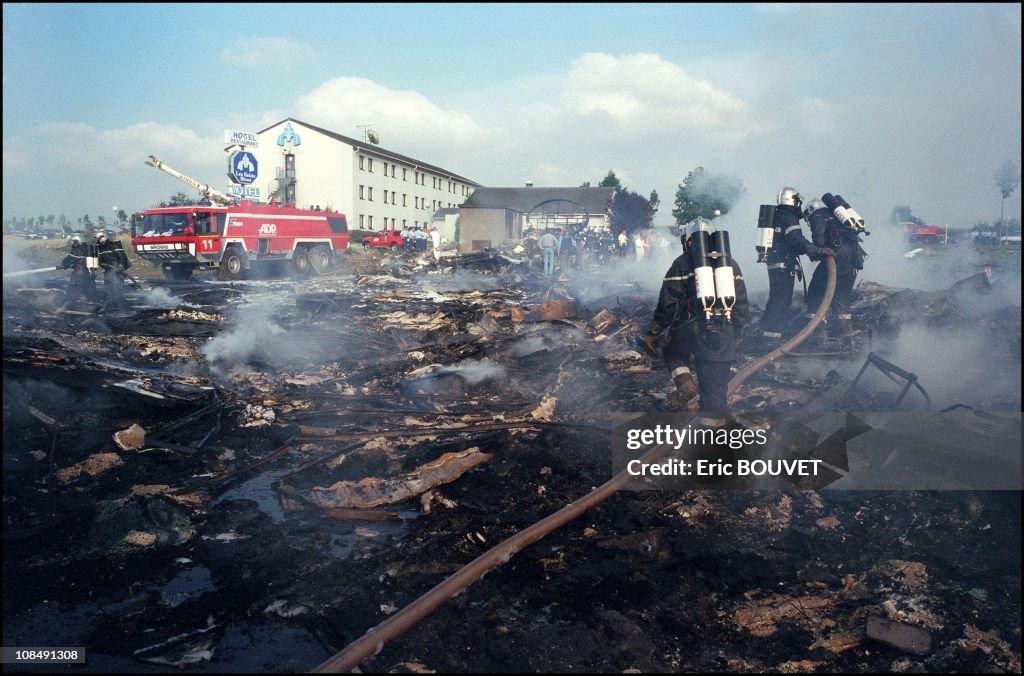
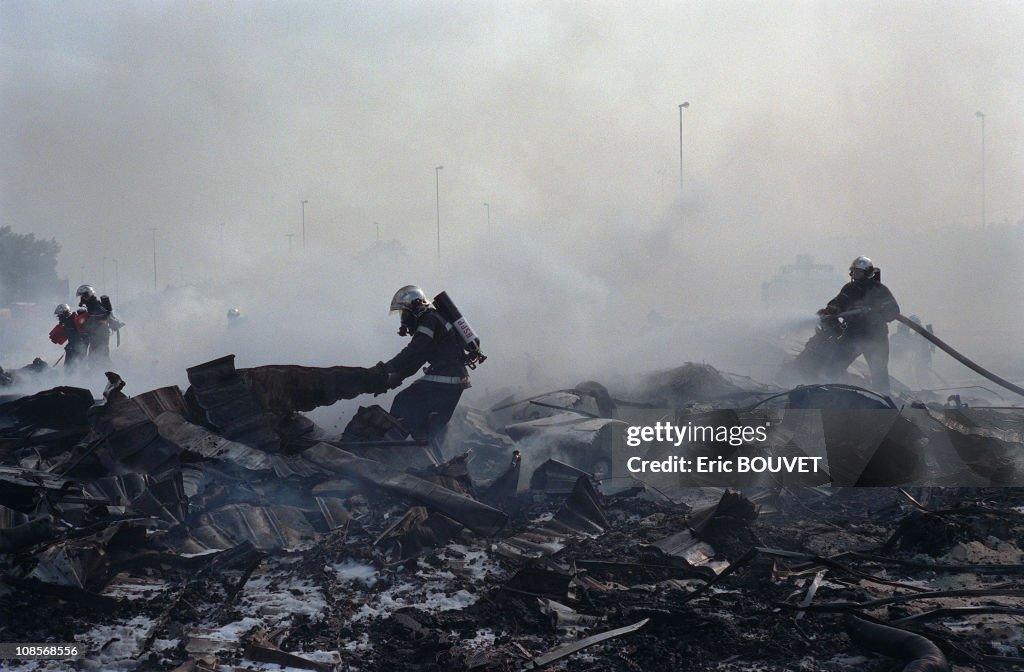
- White/grey mist / off-gassing of molecular dissociation (Hutchison Effect)
- Inexplicable and “Impossible” damage
- Cremation of materials including metals down to white ash
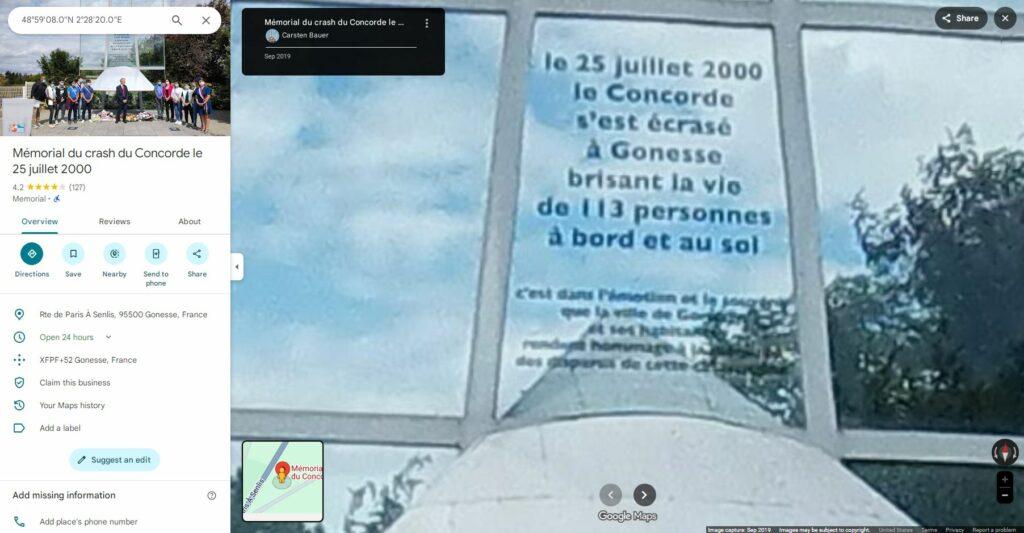
- Numeracy (flight 4590 .. 99 .. 113 fatalities)
- Warped, wilted metal; Insta-rusted metal
- Unlikely damage patterns
- Flammable fiberglas survived
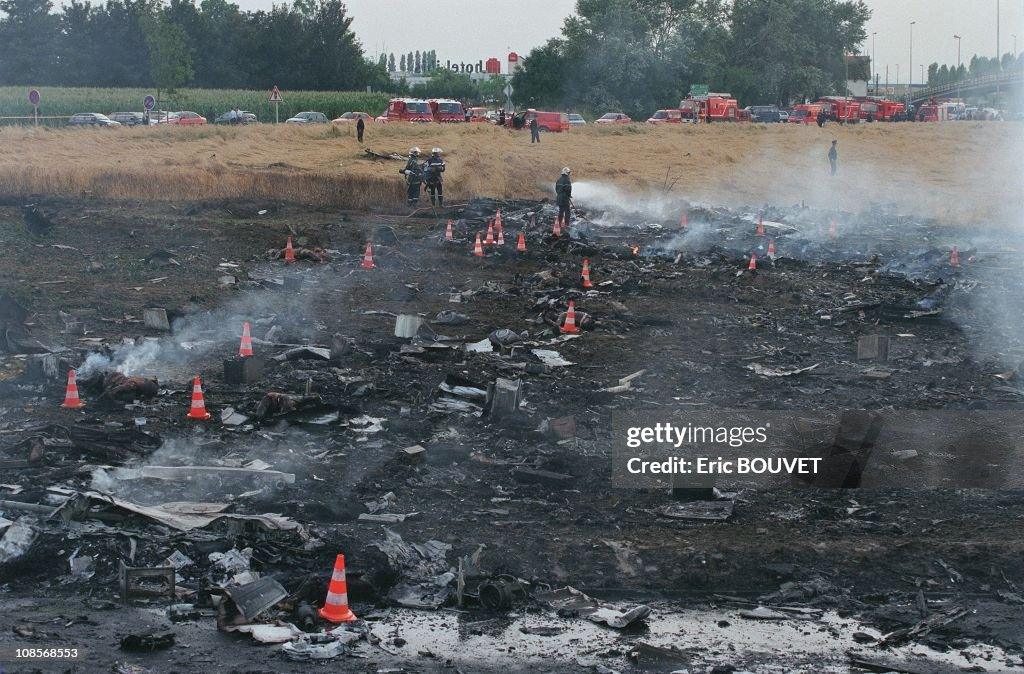
- No crater at all
- No skid/drag/path, wreckage appears to have been “set down” in-place then melted, cremated
- Extremely small debris field, and unusually perfectly square in shape
- Flammables unburned, yet inflammables burned
- Unidentified voice on radio channel: “Go on, Christian.”
- Person in control tower: “It’s burning badly and I’m not sure it’s coming from the engine” (Switch sound similar to fire extinguisher handle being activated).
- The aircraft had passed close to a Boeing 747 carrying French President Jacques Chirac which was much further down the runway than the Concorde’s usual takeoff point…
WIKIPEDIA
https://en.wikipedia.org/wiki/Air_France_Flight_4590
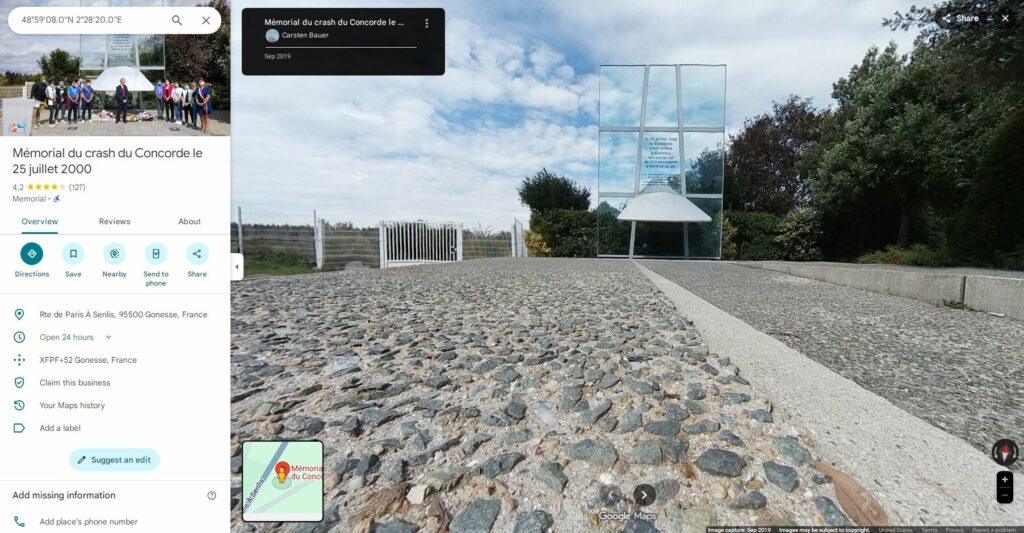
GOOGLE MAP
https://www.google.com/maps/place/48°59’08.0″N+2°28’20.0″E/@48.9855603,2.4722477,46m
On 6 December 2010, Continental Airlines was found criminally responsible for the disaster by a Parisian court and was fined €200,000 ($271,628) and ordered to pay Air France €1 million. Continental mechanic John Taylor was given a 15-month suspended sentence, while another airline operative and three French officials were cleared of all charges.
The court ruled that the crash resulted from a piece of metal from a Continental jet that was left on the runway; the object punctured a tyre on the Concorde and then ruptured a fuel tank. Another Continental employee, Stanley Ford, was found not guilty. Continental’s lawyer, Olivier Metzner, said it would appeal the verdict.
On 29 November 2012, a French appeals court overturned that decision, thereby clearing Continental of criminal responsibility.
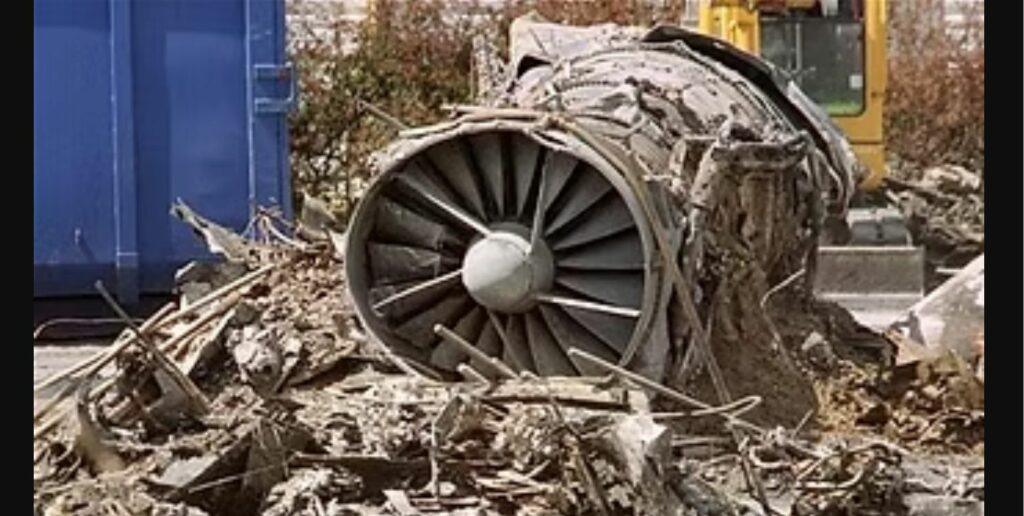
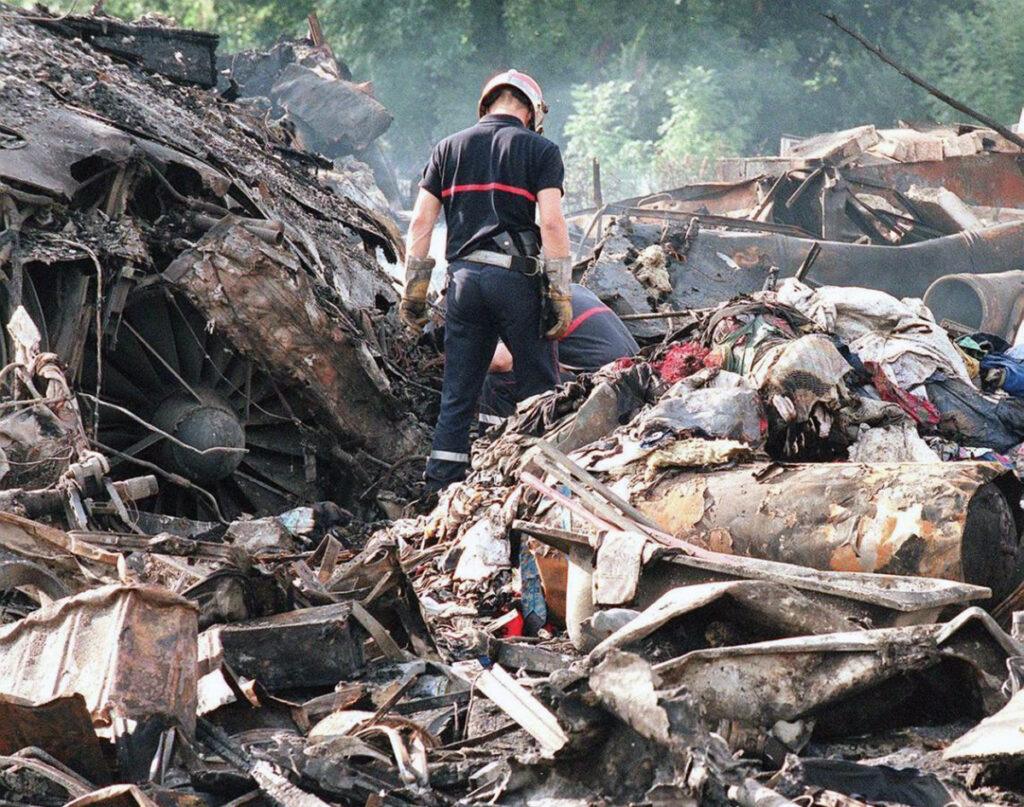
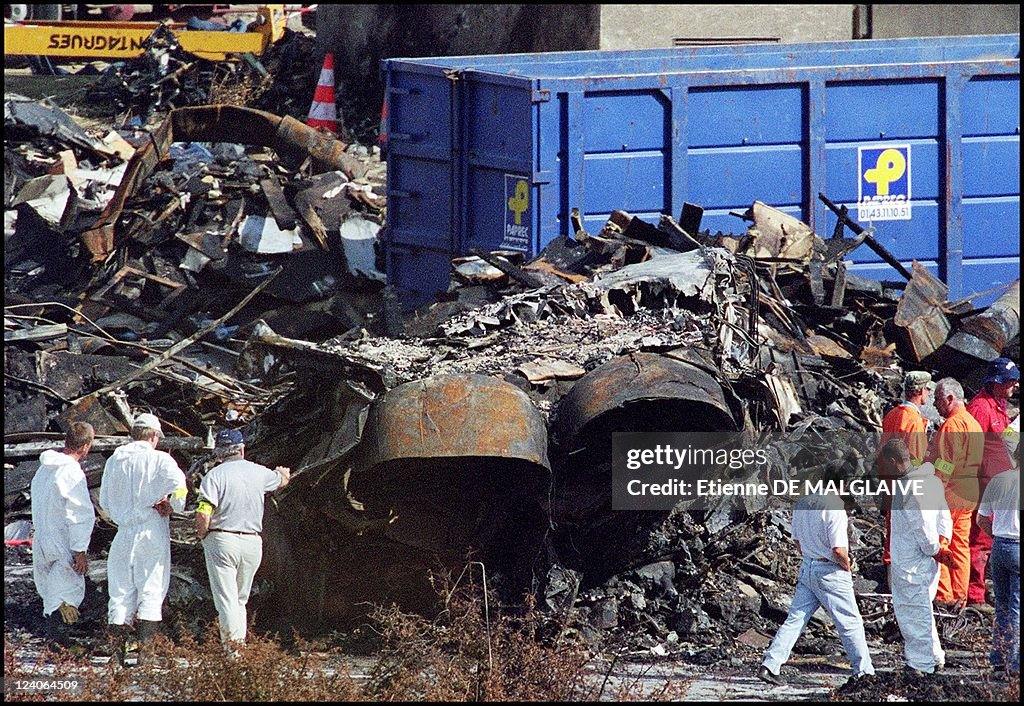
Materials that should have burned did not
Amidst metal cremated down to ash and powder by normal combustive process, fiberglas would stand no chance at survival and would have burned away promptly. Not so in the case of DEW which superheats metals but does not affect non-metals directly. The heat was not outside going into the metal — the metals were superheated and emitting heat. This piece of fiberglas was far enough distant to have survived largely unburned.

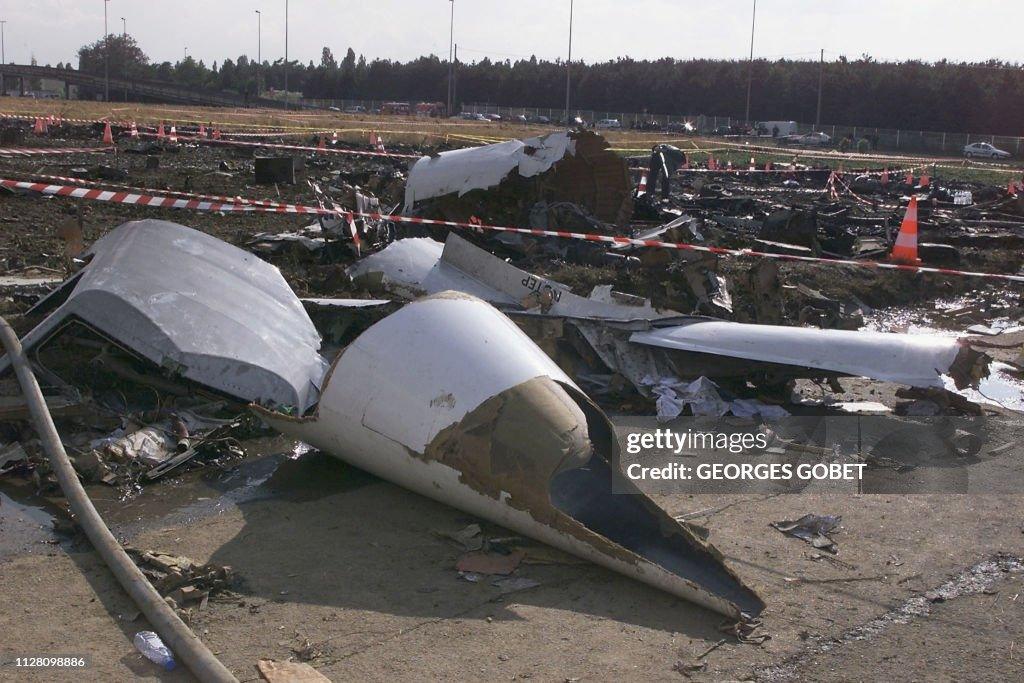
Airplane Tires Not Steel Belted therefore Not Burned
So the metals cremated down to ash yet the flammable rubber tires having far lower melting and combustion temperatures were largely unburned. The use of Directed Energy Weapons perfectly explains this otherwise confusing evidence.
In typical DEW Attacks, the steel belts inside “the “steel-belted radial” vehicle tires are superheated due to eddy currents induced in the steel wires (belts) by the electromagnetic energies; these superheated steel belts then melt and/or combust the flammable rubber, usually to the point of non-existence of the rubber or any evidence thereof — a sublimation of the material.
When the steel belts are absent — as in the case of the Concorde — with instead only nylon inner cords used internally for radial strength, microwaves do not superheat nylon and therefore cause no combustion or sublimation of the flammable rubber. This absence of burned rubber tires amidst the metal-cremating inferno is therefore in itself a Strong Clue pointing to DEW.
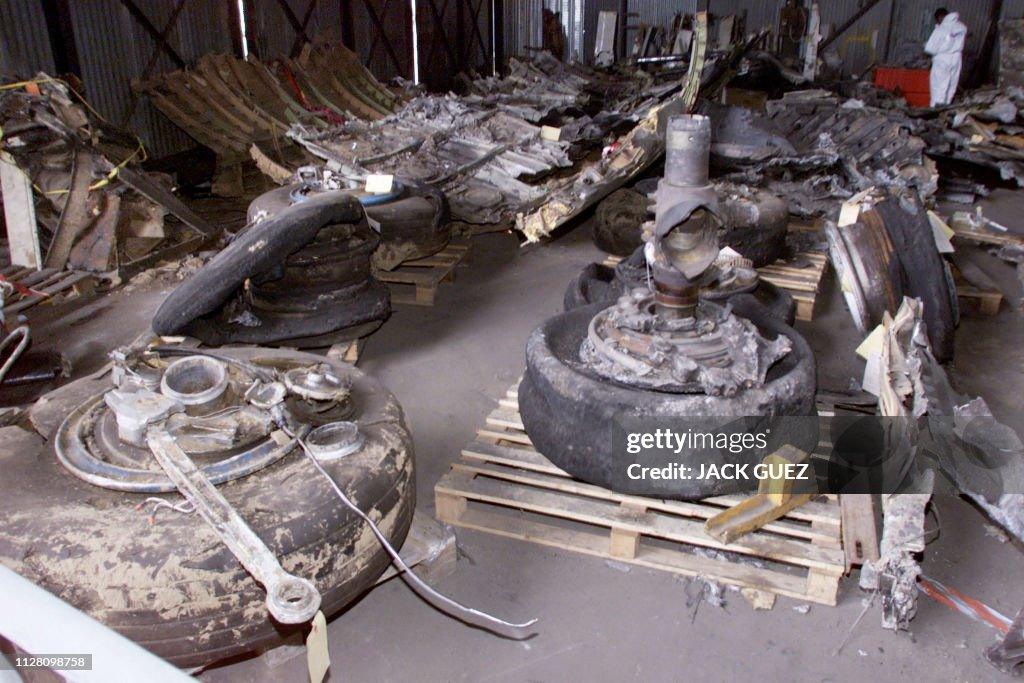
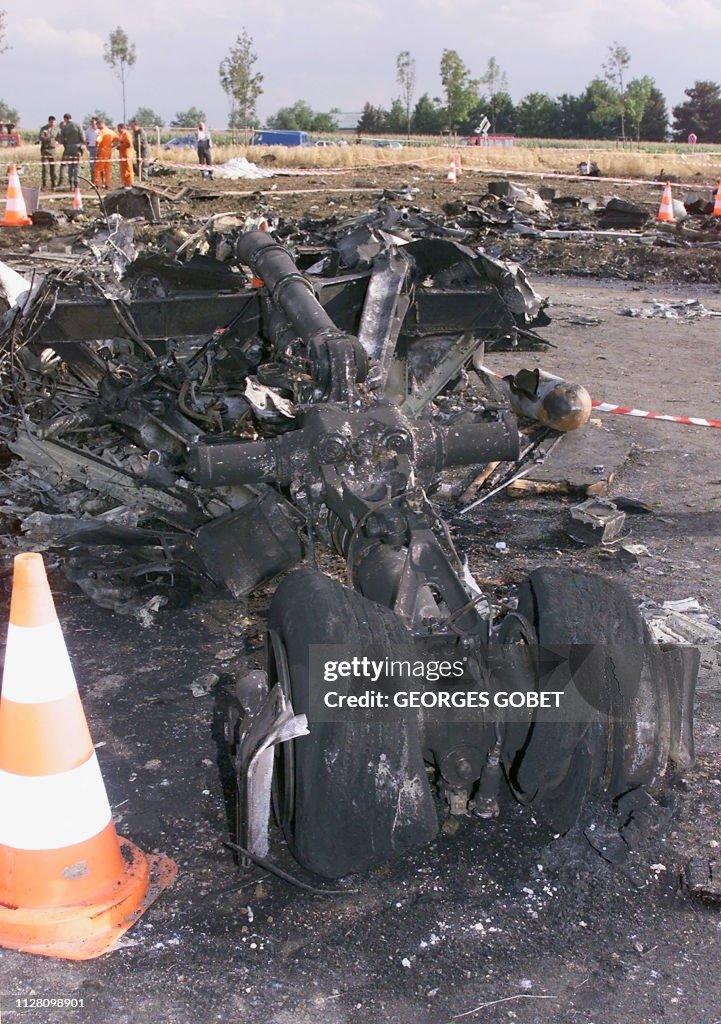
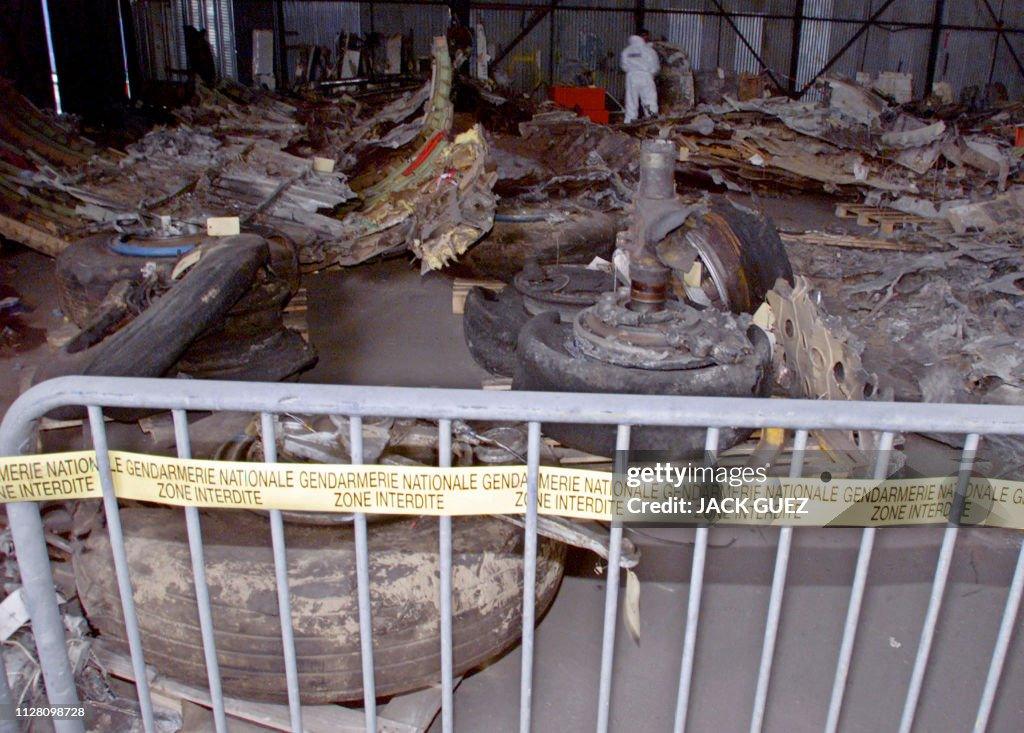
AFP PHOTO JACK GUEZ (Photo by Jack GUEZ / AFP) (Photo by JACK GUEZ/AFP via Getty Images)
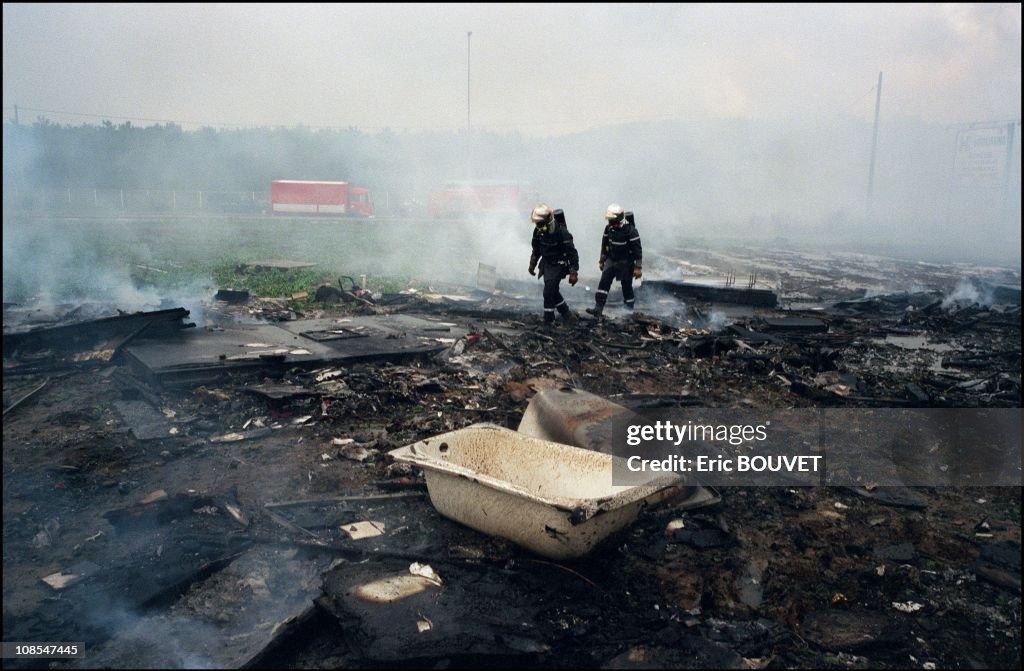
Below (and in other images at Getty website), a white steel/porcelain bathtub is visible. These were from the hotel that the Concorde plane crashed into. Note that no images show any water pipes, fixtures, drain fixtures or drain piping at all — it’s the plain bathtubs as if purchased bare from the store, yet cracked and insta-rusted as if superheated and “baked” from within.
JOACHIM BERTRAND / MINISTERE DE L’INTERIEUR / AFP (Photo by MINISTERE DE L’INTERIEUR / AFP) (Photo by -/MINISTERE DE L’INTERIEUR/AFP via Getty Images)
—
Aircraft Tire Construction: Concorde and Commercial Aviation
The Short Answer:
Aircraft tires, including those on the Concorde and modern commercial airliners, are primarily constructed with nylon or aramid (Kevlar) cords. They generally do not use steel belts.
Why Steel is Avoided in Aviation:
While steel-belted radial tires are the standard for passenger cars, they are ill-suited for the extreme physical demands of aviation:
- Extreme Deflection: When an aircraft lands, the massive weight and impact force cause the tires to compress or “deflect” by 30% to 45%. Car tires deflect very little by comparison.
- Metal Fatigue: The rapid, violent flexing during touchdown would quickly cause rigid steel cords to fatigue, bend, and break.
- Weight Constraints: Steel is significantly heavier than synthetic textiles, which would add unnecessary weight to the aircraft and reduce fuel efficiency.
- Elasticity: Nylon and aramid offer incredible tensile strength while remaining elastic enough to absorb massive shock loads without permanent deformation.
The Concorde: From Nylon to Aramid
The Concorde’s tires had to endure extraordinary operating conditions, including takeoff speeds exceeding 200 mph and runway friction generating temperatures around 400°F.
- Original Design: For most of its operational life, the Concorde utilized heavily reinforced bias-ply tires built with extremely strong nylon fabric layers.
- The Michelin NZG Tire: In 2000, Air France Flight 4590 crashed after a piece of metal runway debris ruptured a standard nylon-reinforced tire, sending heavy, high-energy chunks of rubber into a wing fuel tank. [This farce is the official explanation.] To return the Concorde to service safely, Michelin developed the Near Zero Growth (NZG) tire.
- The Aramid Upgrade: The new NZG tire completely replaced nylon with high-modulus aramid (Kevlar) cords. Aramid provided superior strength at a lower weight and prevented the tire from expanding outward under extreme centrifugal forces. Crucially, the aramid design ensured that if the tire were ever punctured again, it would disintegrate into harmless, low-energy fragments rather than shedding massive, destructive chunks of tread.
Modern Commercial Aviation:
Today, the aviation industry utilizes both bias-ply and modern radial tires. Regardless of the specific structural design, advanced synthetic textiles like nylon and aramid remain the foundational reinforcement materials, guaranteeing safety and durability under immense runway pressures.
Missing Fasteners and Molten Vanished Glass
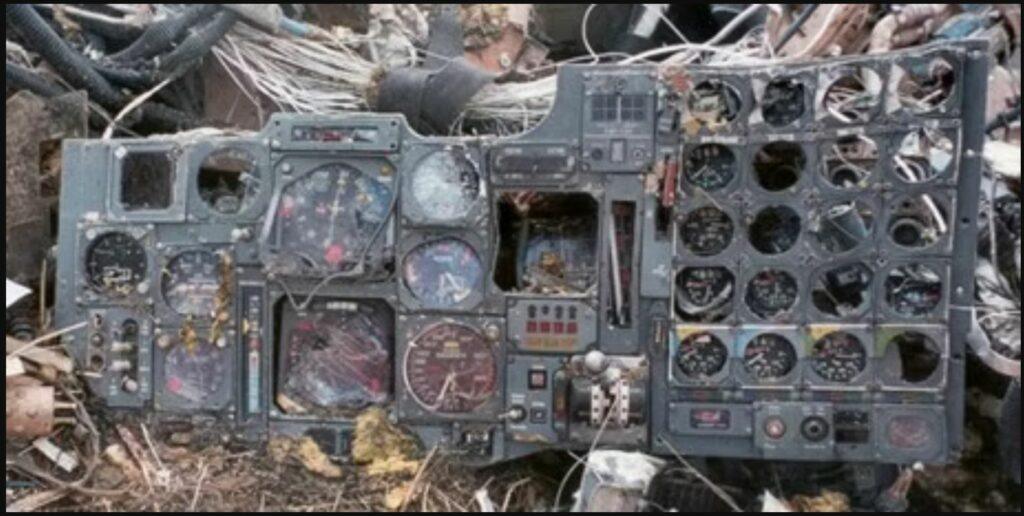
Insta-rusted Metal — Rapid High Heating = Oxidization
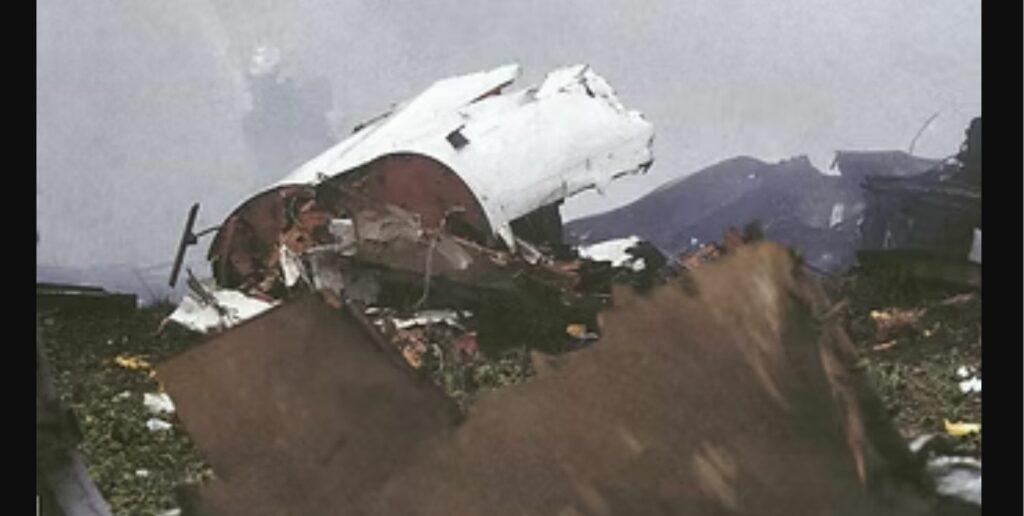
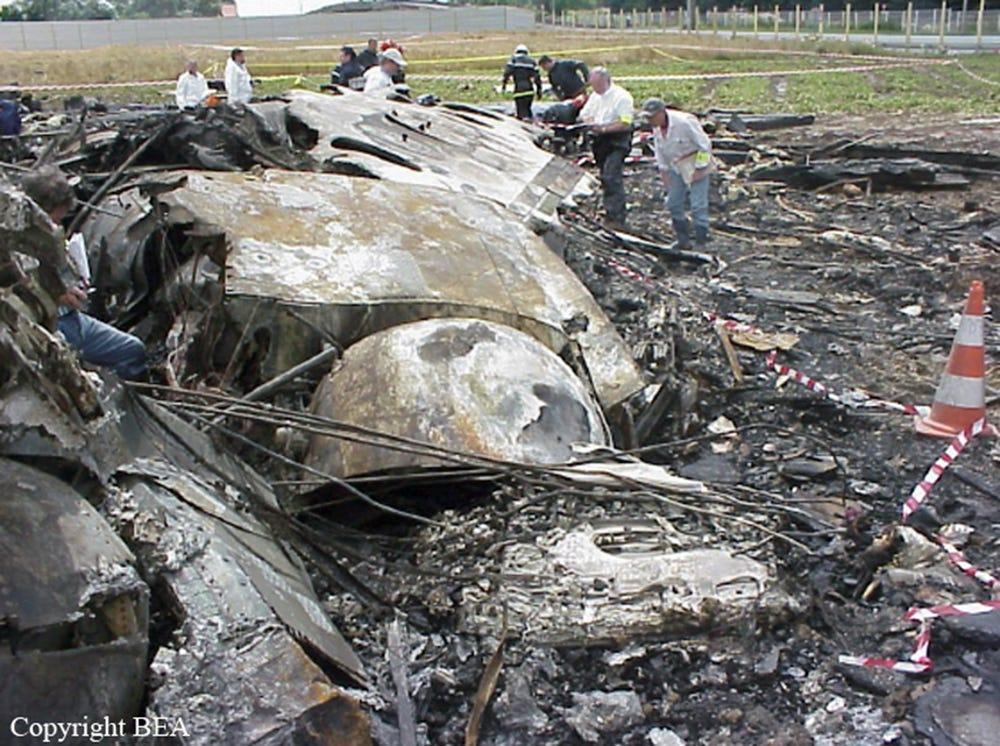
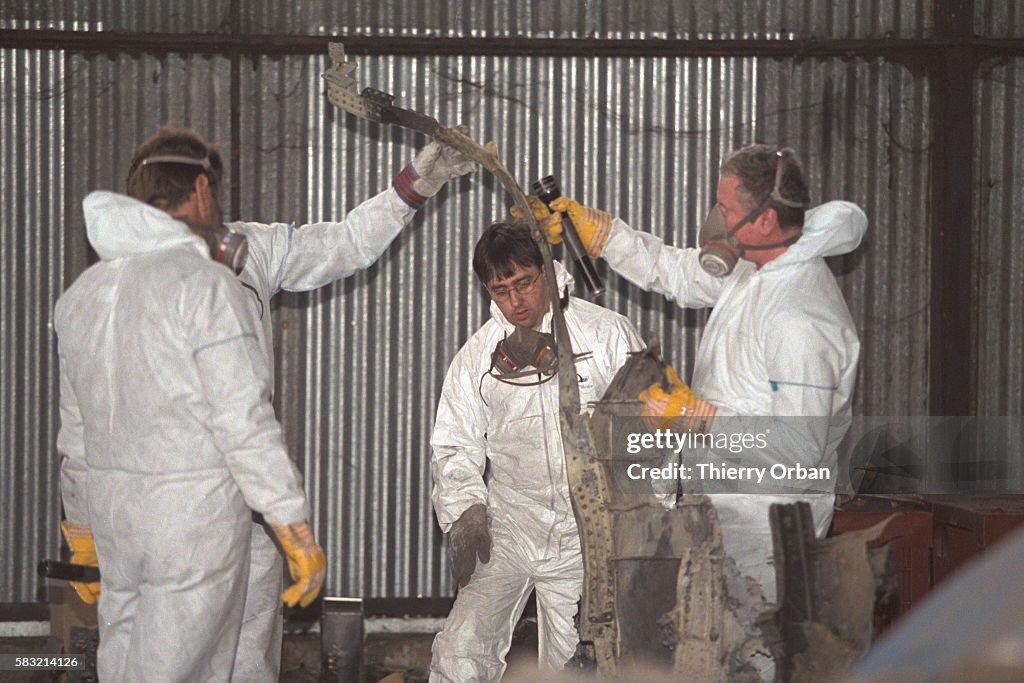
White/Grey Off-Gassing Predominant Despite Zog Media False Claims – Heavy Black Sooty Smoke Should Have Predominated
Every angle. Every view. Every time. Abundant white/grey off-gassing predominates the always-minority yet most expected sooty black smoke. Materials that are undergoing molecular dissociation off-gas white/grey mist not black partly-burned soot. The WTC in NYC on 911 demonstrated this most memorably.
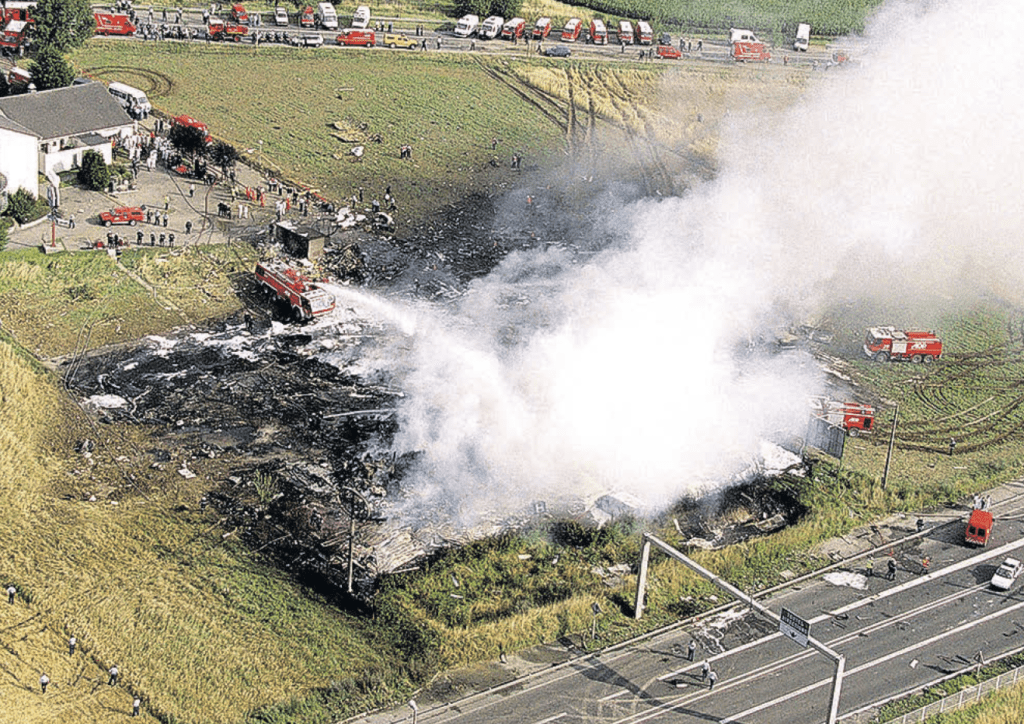
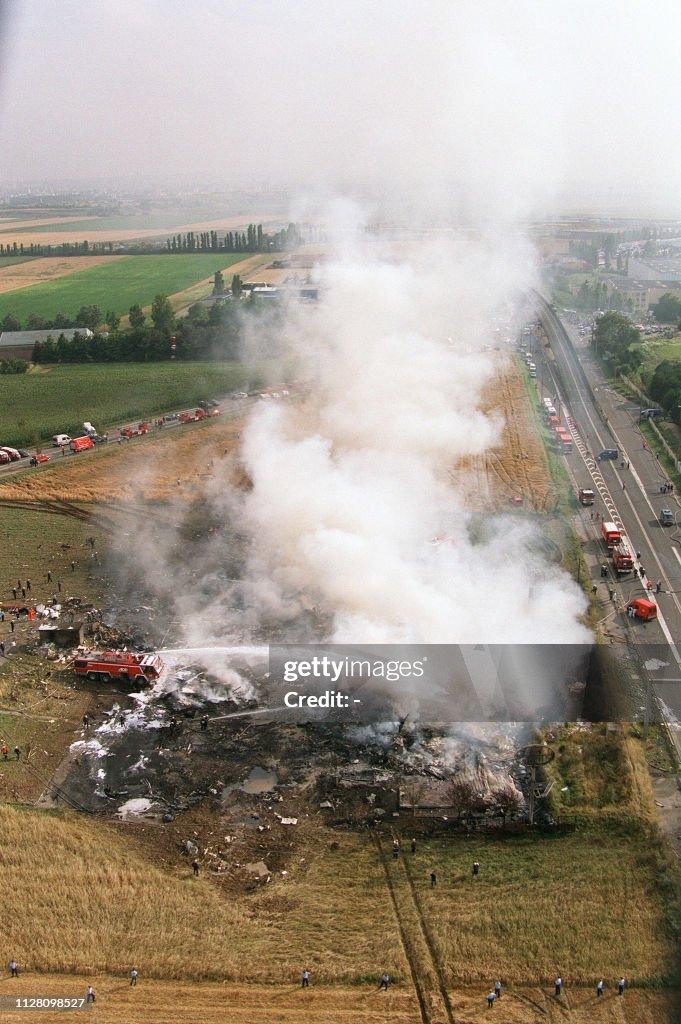
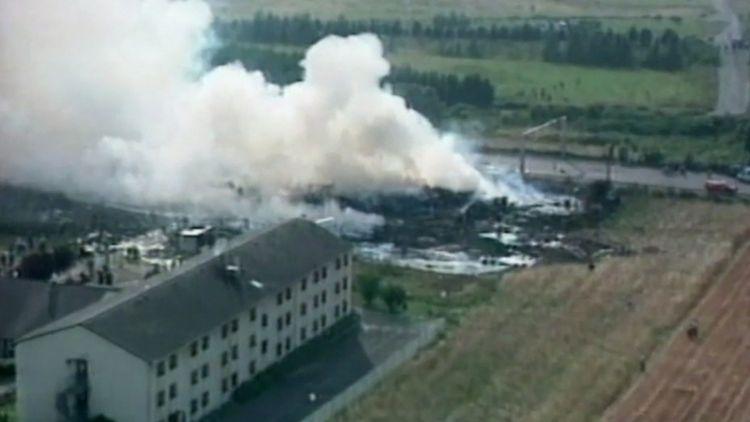
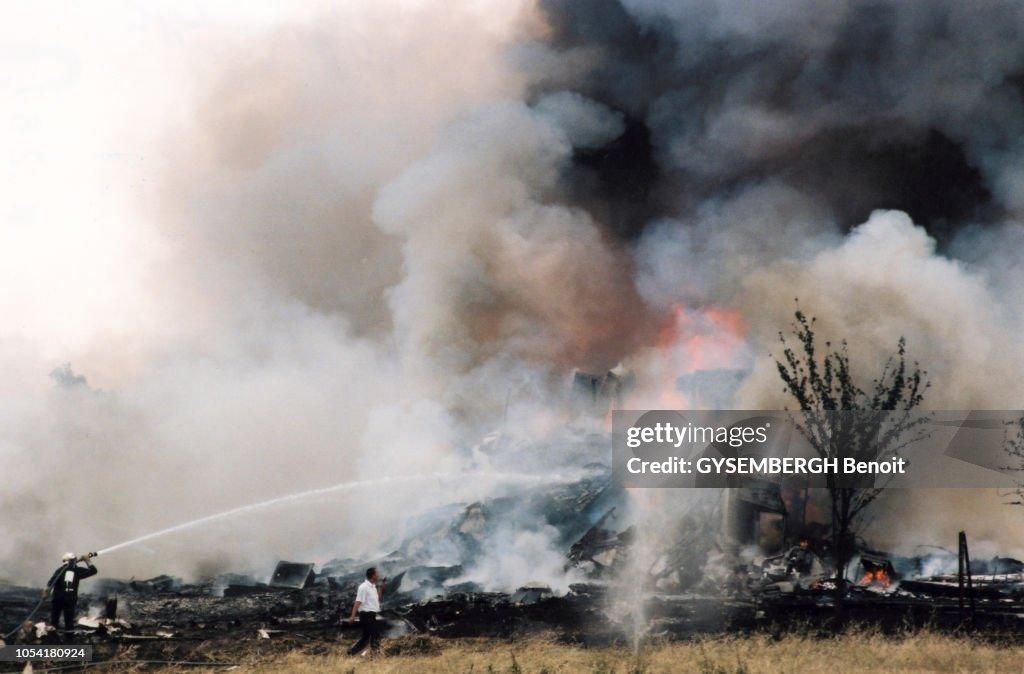
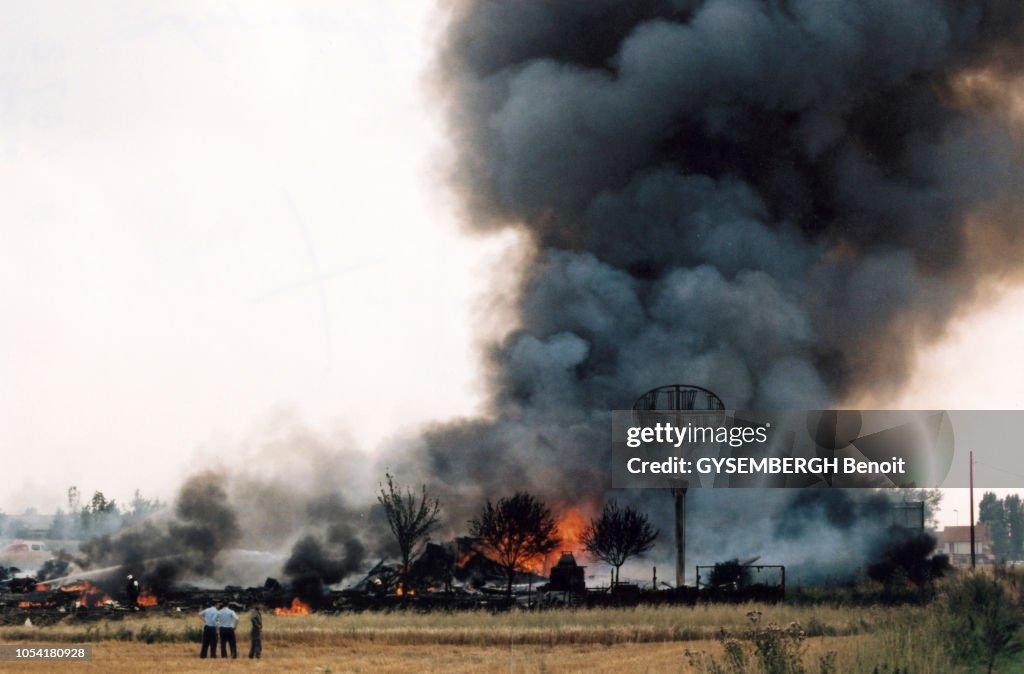
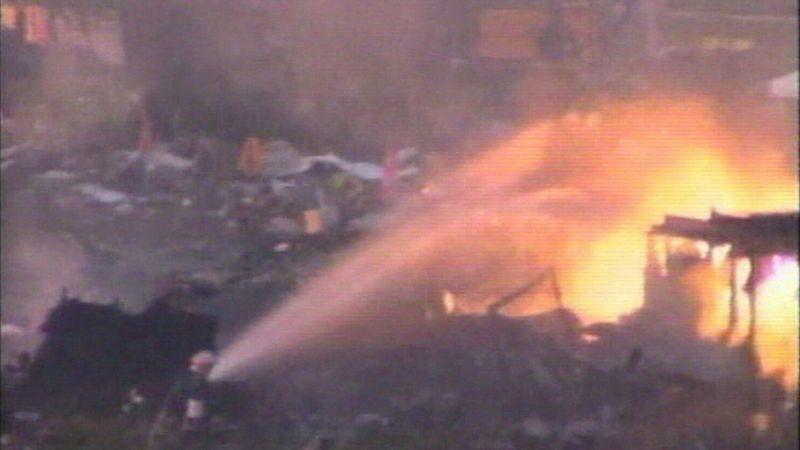
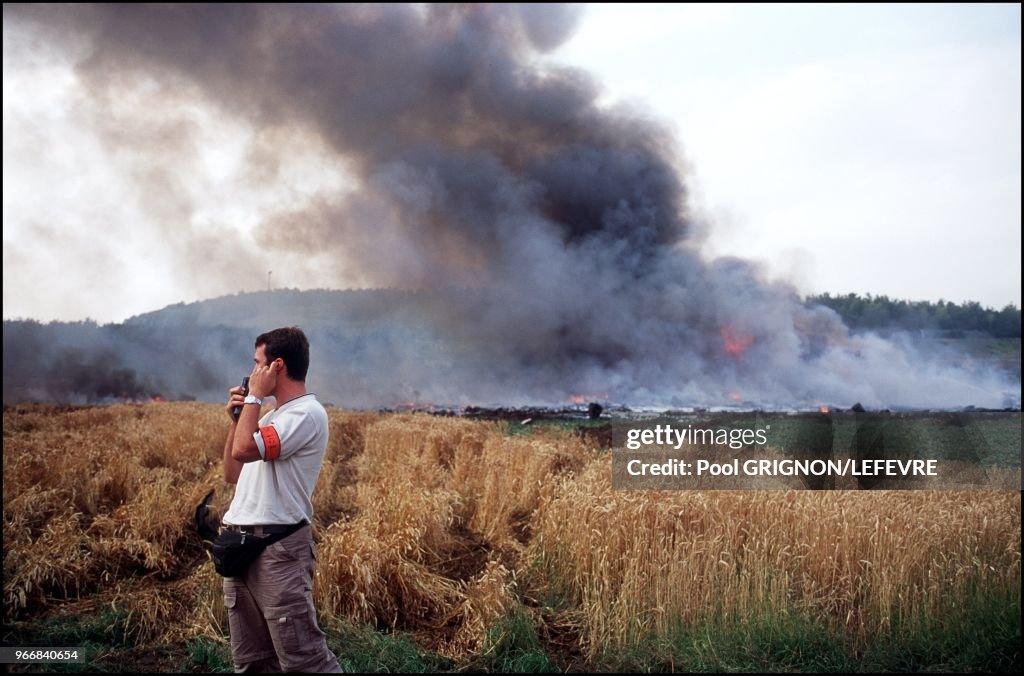
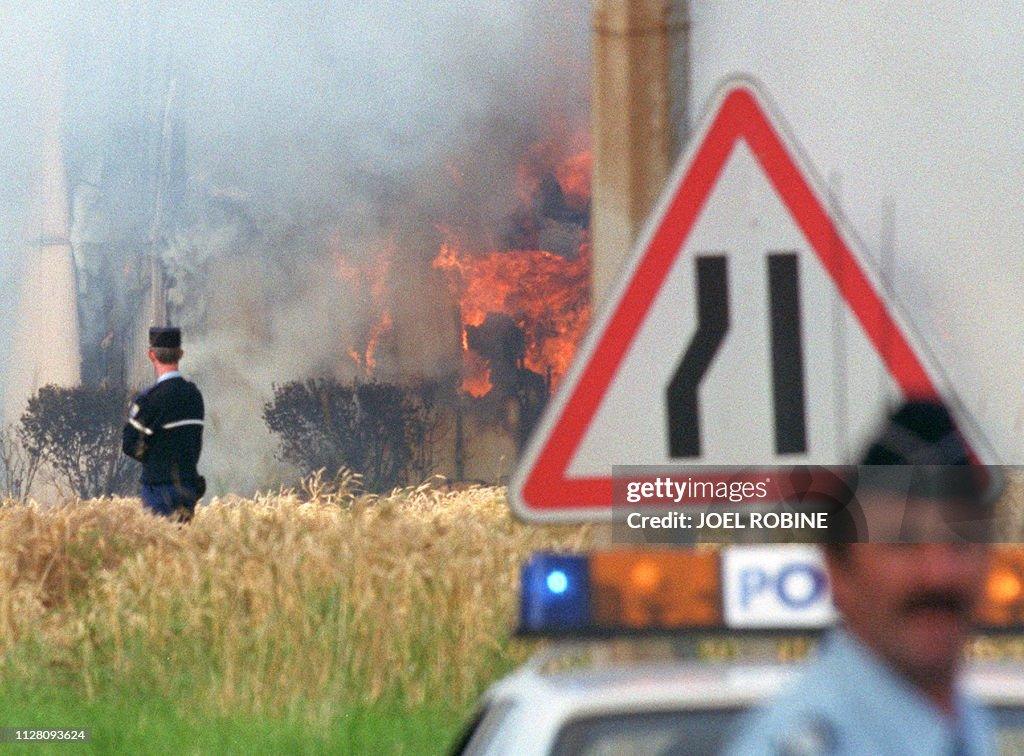
French policemen stand next to the site where a Concorde jet crashed 25 July 2000, near Paris’ Charles De Gaulle airport. 113 people were killed in the accident. The victims were principally Germans, but counted also an American, a Briton, several French, two Danes and two Poles, officials said. (Photo by JOEL ROBINE / AFP) (Photo by JOEL ROBINE/AFP via Getty Images)
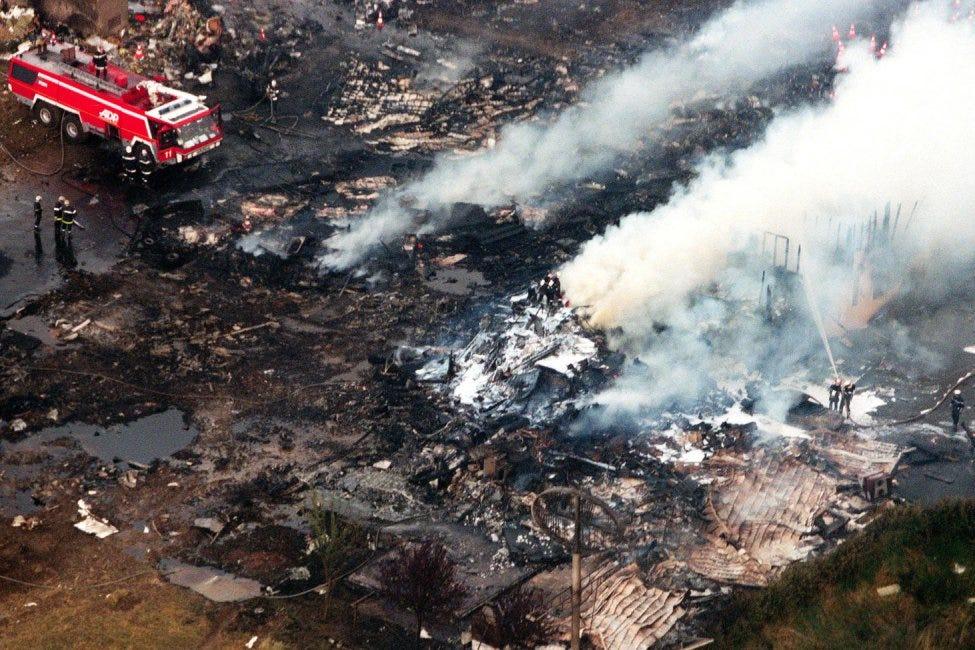
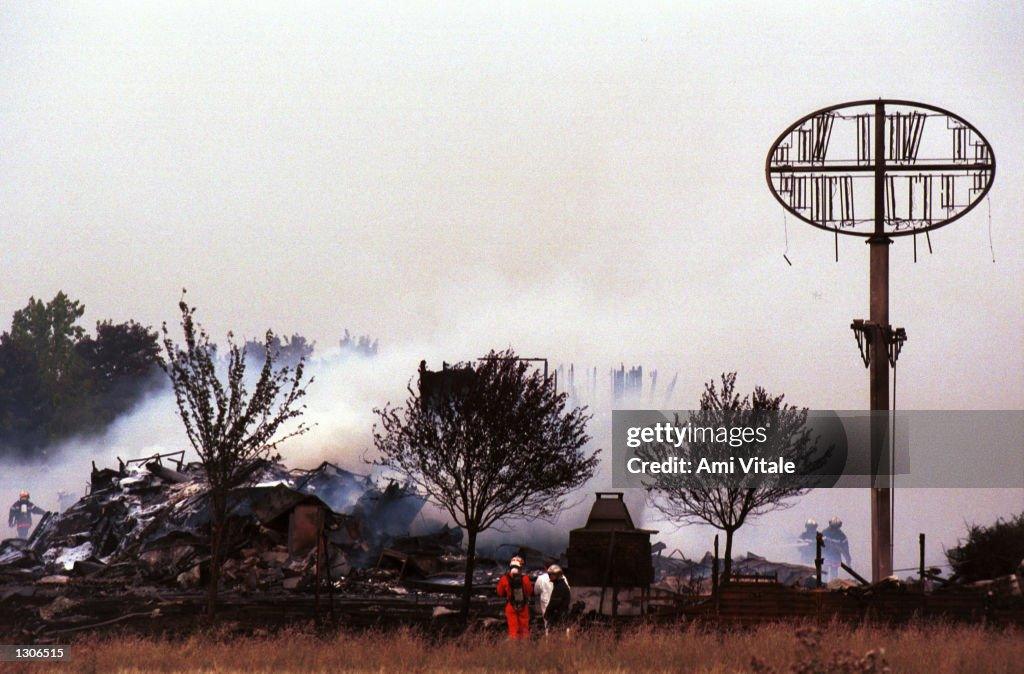
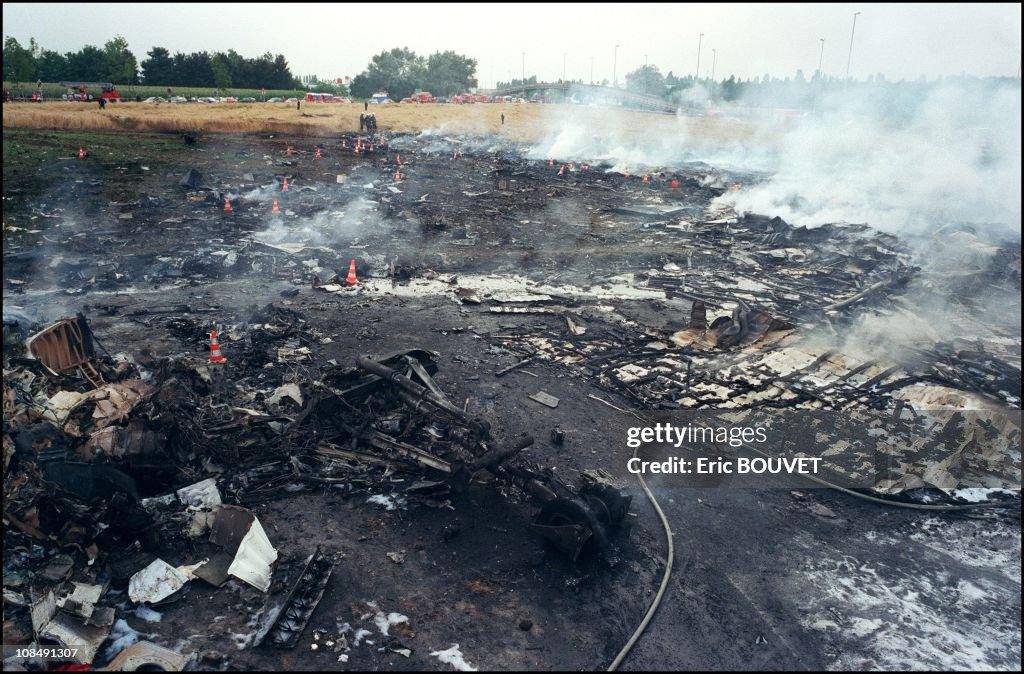
Crash Site Too Small and Tidy
Reminiscent of supposed Flight 93 / Shanksville. Also flights 553 Chicago, 3407 Pennsylvania and similar.
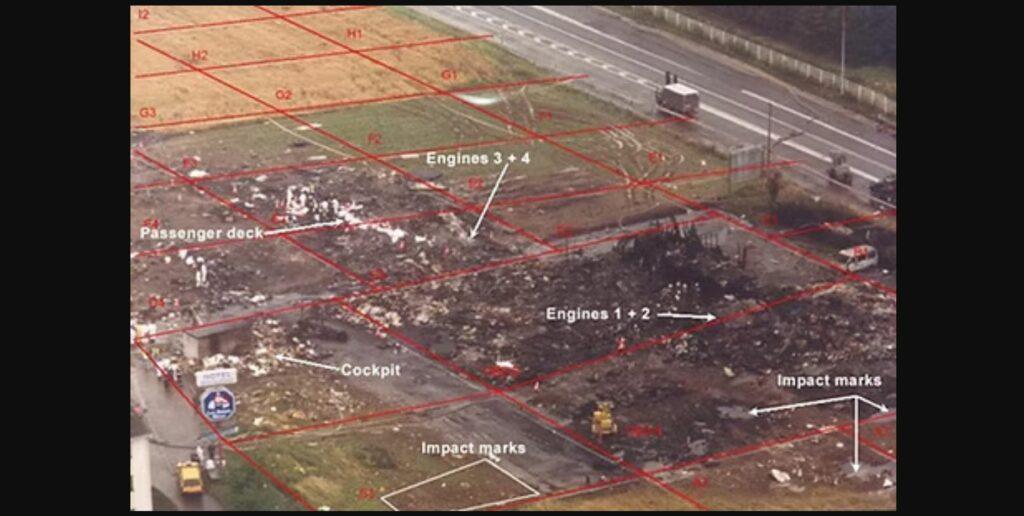
No gouges or impact crater
Note also the peculiarly square site. Kempt and pristine.
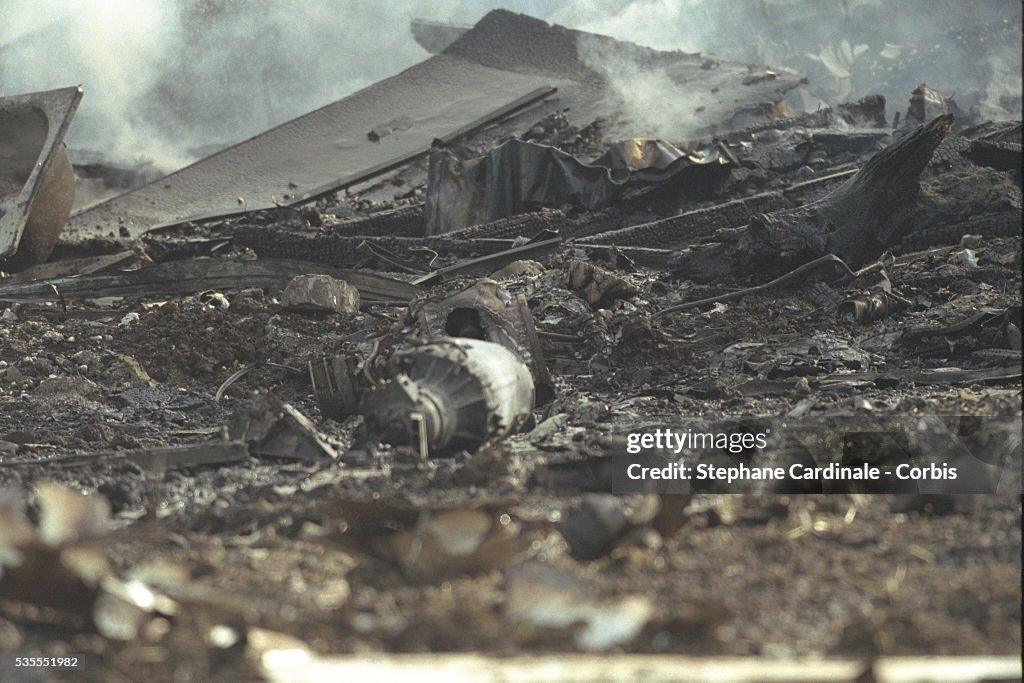
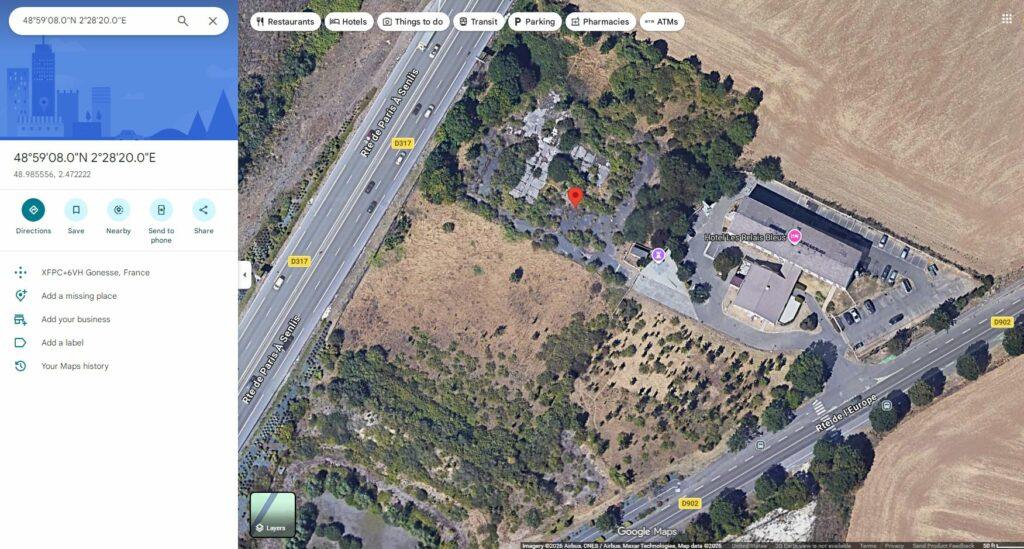
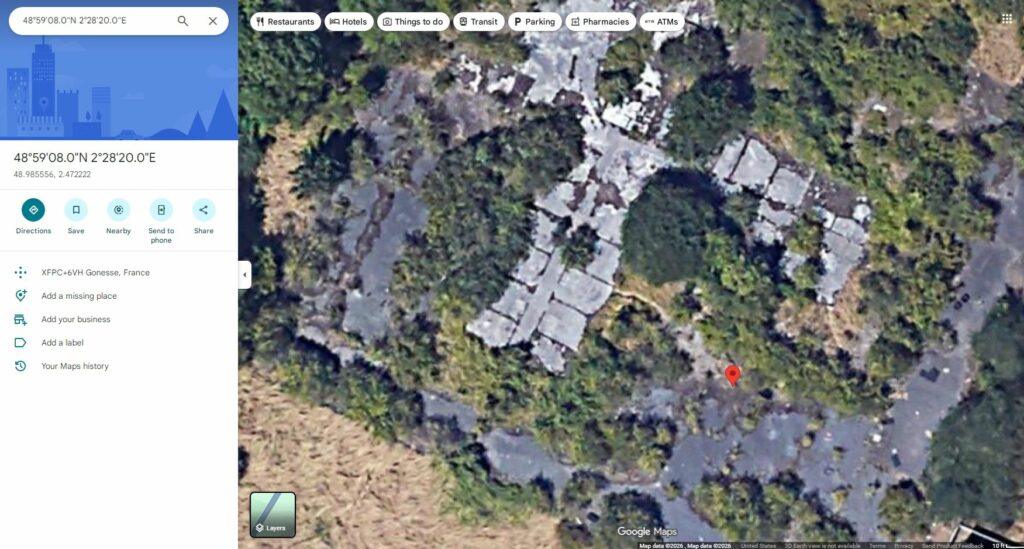
Trees nearby unburned